











Filling up with bio-CNG on the farm: it can be done!
A family-run farm in Taverneux has built a biomethanisation plant. A first for Wallonia, it guarantees complete energy independence: electricity, heat and bio-CNG. A striking report by Kanaal Z shows what is possible.
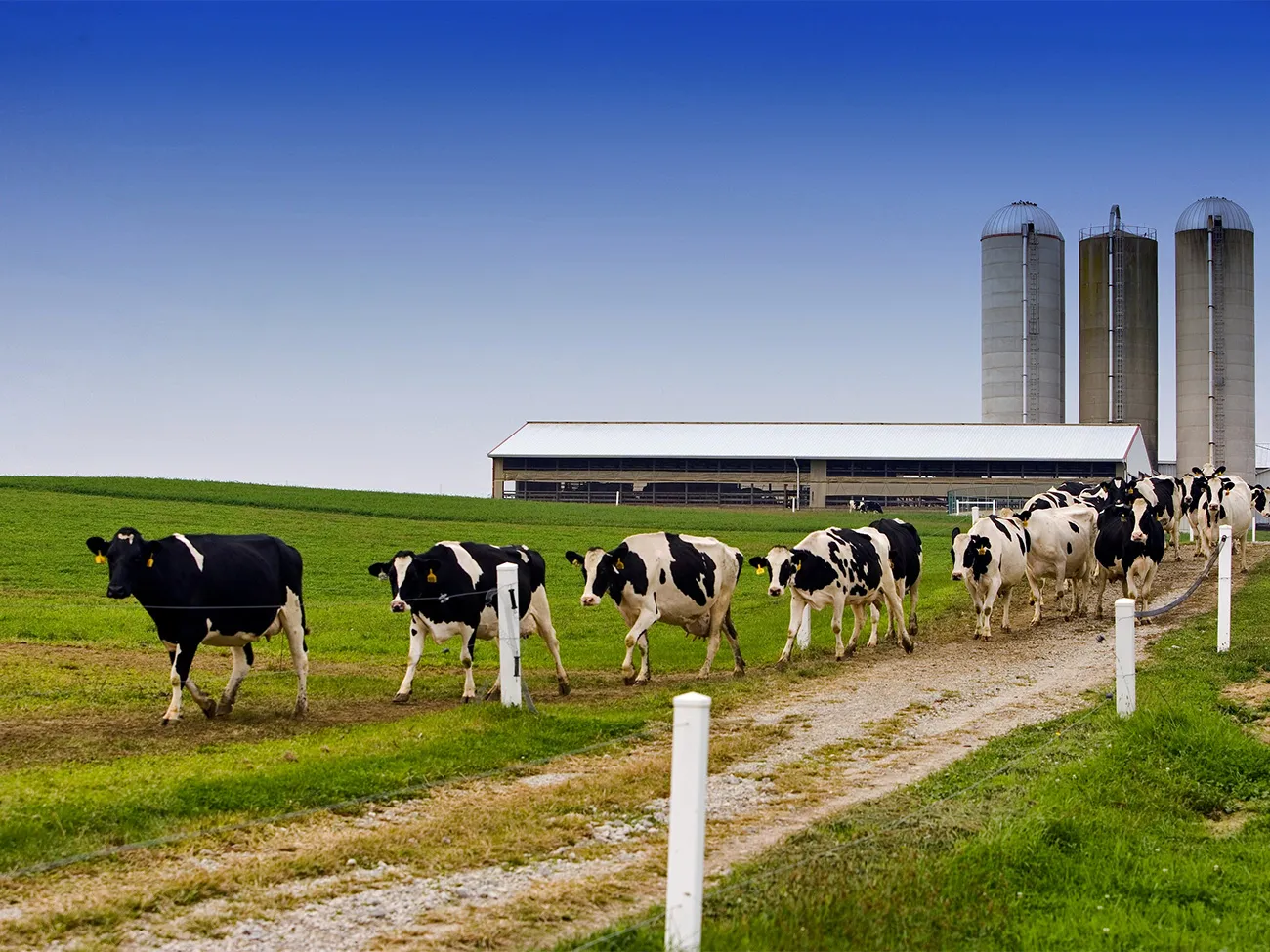
The agricultural sector can offer innovative solutions to the climate challenge. Livestock farmer Eric Jonkeau from Houffalize, for example, has created his own circular ecosystem by building an anaerobic digestion plant. The methane emitted by his 900 cows is captured and converted into water and electricity.
Electricity for 400 households
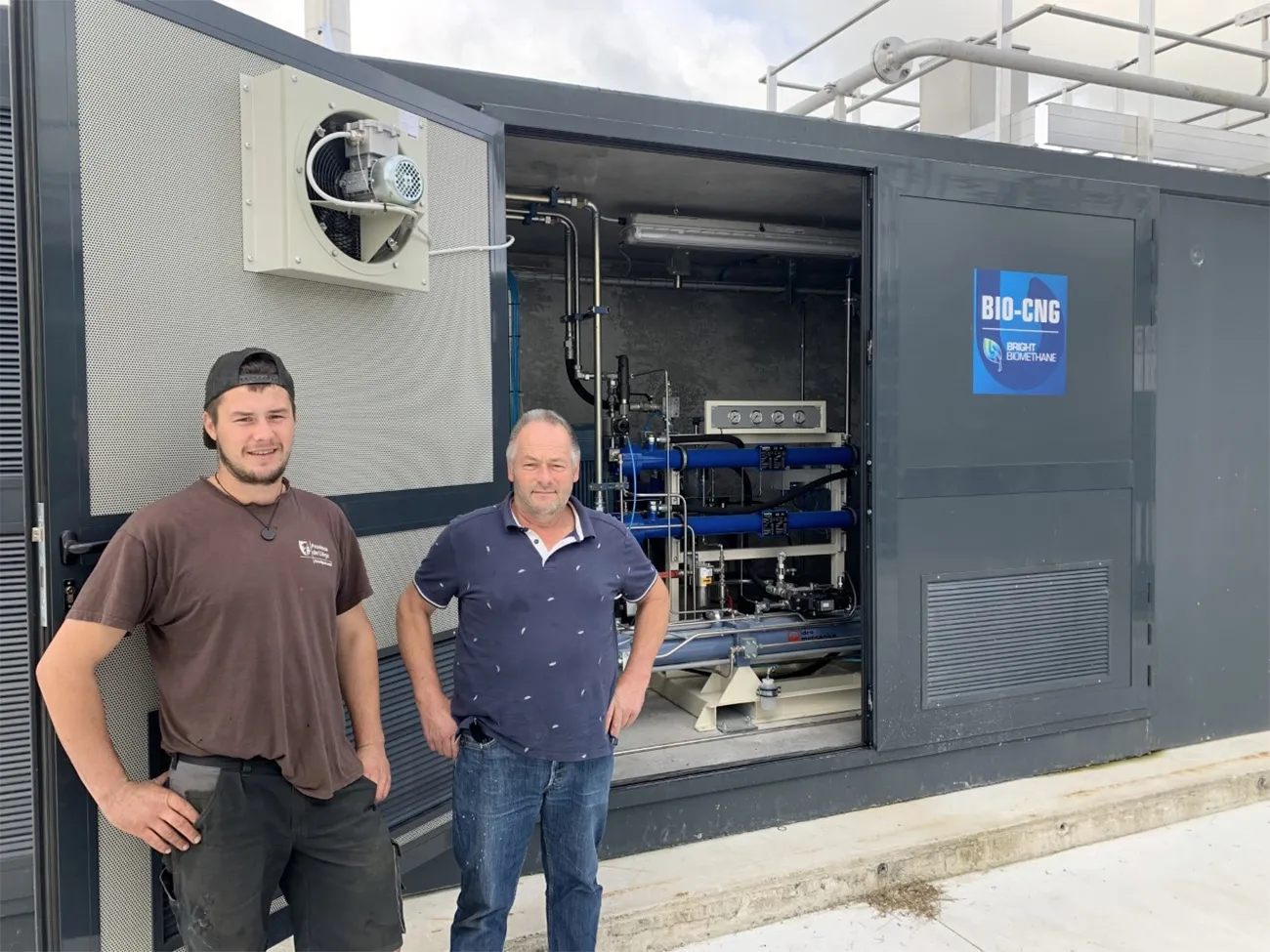
“After building a cowshed in 2007, I had the idea of capturing the methane produced by the cows,” says Jonkeau. “We submitted the planning applications for the plant in 2017 and started construction in 2018. A year later, we started operating it. Since 1 October 2019, we have been producing 2,500 kWh of electricity, equivalent to the consumption of 400 households. We also produce 250 kW of heat. This is used in our own heating system. We heat two homes, a holiday house for around twenty people, and all the hot water for the milking parlour.”
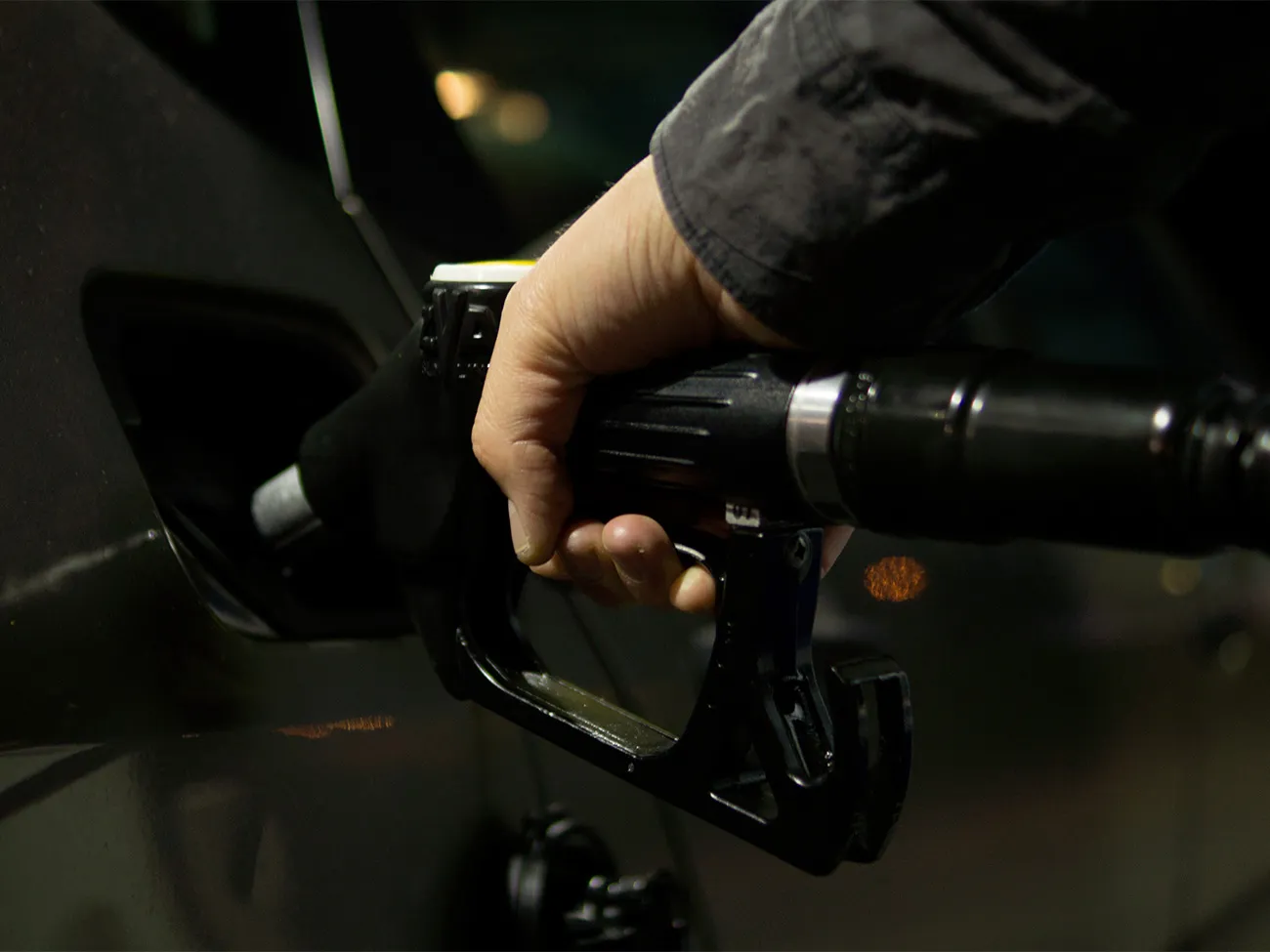
A dedicated bio-CNG filling station has also been connected to the plant in recent months. Jonkeau says: “For around four months now, we have been directing some of the raw biogas to a purification and compression station to turn it into bio-CNG. Bio-CNG is the fuel of the future for me. It is a clean gas that is 100% renewable.” What makes the plant in Houffalize special is that it is located on the biomethanisation site. This means there is no injection into the gas distribution network. It is very practical, as the bio-CNG filling station is in a remote area close to a motorway, allowing local residents and commuters to fill up there.
Tractors running on biofuel
The use of this renewable fuel is not limited to cars. Machinery manufacturer New Holland has developed the first agricultural vehicle to run on biofuel. Jan De Graef, Account Manager at New Holland, says: “One of our latest innovations is the world’s first tractor to run on biomethane. We guarantee farmers the same performance and power as a comparable diesel tractor, but with a fully circular, zero-emission operation. Switching to a tractor like this is highly efficient and cost-effective for farmers: running it is 30% cheaper than running a comparable diesel tractor, simply because maintenance is much easier. The tractor has no expensive exhaust after-treatment systems, making it simpler and easier to operate, and therefore much cheaper.”
Both innovations demonstrate the enormous potential of bio-CNG for the agricultural sector. Jonkeau says: “It is true that the initial investment is very high. But I think that, if you look into it carefully and get good advice, it is possible. The potential on farms is enormous.”
100% less CO2
The sector federation gas.be is also convinced of bio-CNG’s potential. Didier Hendrickx, Public Affairs Manager at gas.be, says: “Bio-CNG is produced from agricultural waste in biomethanisation plants. It is then usually injected into the network. Today, it is already possible to fill up with bio-CNG at several pumps in Belgium. This means that it is now possible to drive with 100% lower CO2 emissions, and that there are various technological and fuel options for achieving carbon neutrality. It would therefore be foolish to advocate just one technological solution.”
Question about this story? Ask your question
Keep following this
Get an email when a new story is published. No account needed.
- SubjectNews







