











Construction student numbers rise again after years of decline
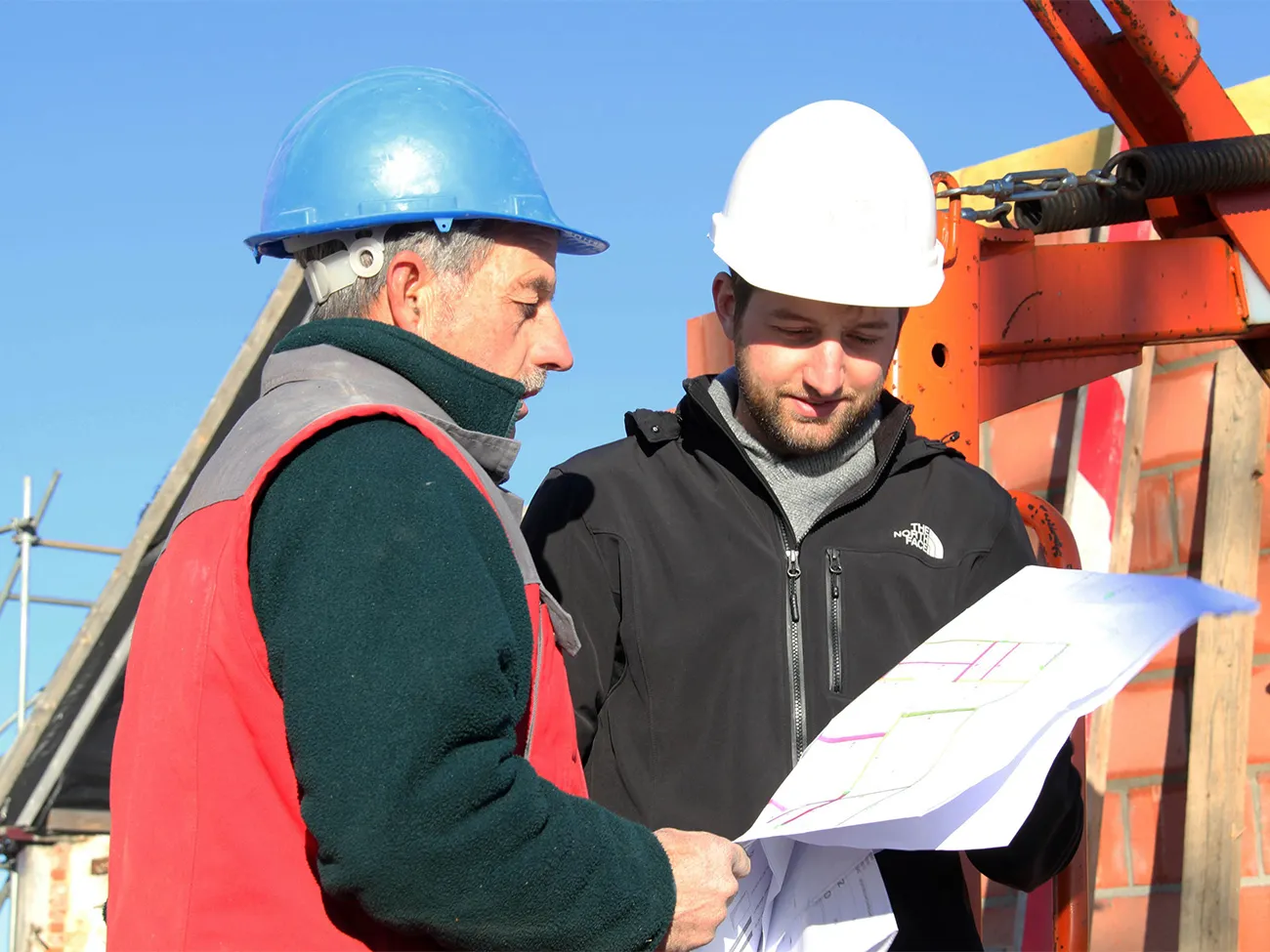
The downward trend in secondary construction education appears to have stopped. This is shown by the latest figures for the 2020-2021 school year. After years of falling enrolment in construction courses, numbers rose slightly again (1%) compared with the previous school year, 2019-2020. The construction sector is pulling out all the stops to turn the tide further. The start of the new school year is the perfect time to highlight the many opportunities in construction. An ageing workforce and the economic recovery are creating many vacancies in the sector, while new construction roles are also emerging from the growing focus on digitalisation, the circular economy, sustainability and climate change … With its #WERFze campaign, the Vlaamse Confederatie Bouw aims to raise awareness among young people of the sector’s diverse activities, latest techniques and significant contribution to society.
From the 2016-2017 to the 2019-2020 school year, the number of students in secondary construction education fell by 15%. However, this downward trend did not continue in the 2020-2021 school year. Student numbers rose by 1% that year. Another encouraging sign is the growth in enrolment in dual study programmes, from 44 in 2017-2018 to 149 in 2020-2021. This remains a small number, however, compared with the total range of secondary education programmes. Constructiv, the construction sector’s Fund for Existence Security, has also calculated that numbers need to rise by 20% over the next ten years to offset the long-term decline in secondary construction student numbers and the ageing of the construction workforce. “It was recently announced that construction workers are the highest-paid manual workers. Alongside good pay, construction has many other advantages to offer. You get a varied range of tasks, plenty of autonomy, often work as part of a team and have numerous opportunities to learn. A job in construction increasingly also involves the latest technologies, digitalisation, innovation and climate-related work,” concludes Marc Dillen, Director General of the VCB.
Higher education
In higher and university-level construction education, annual enrolment in professional bachelor’s programmes remains around 1,200. The relatively new associate degree in site organisation has proved a welcome boost, with 166 students enrolled in the 2020-2021 school year, compared with 55 the previous year. Enrolment in industrial and civil engineering programmes, however, was less positive. In the 2020-2021 school year, enrolments in both industrial and civil engineering were 20% lower than in 2014-2015. Yet these courses prepare young people for roles as site and project managers and estimators at construction companies, and for jobs at engineering consultancies. These three roles all made the VDAB’s top 3 list of occupations facing labour shortages this year.
#WERFze
Through its #WERFze campaign, www.werfze.be, featuring testimonials from construction professionals and students, the VCB continues to draw the attention of young people and their parents to the construction sector. Alongside a range of highly qualified roles such as site manager, estimator and engineering consultant, the platform focuses on skilled tradespeople such as roofers, joiners, installers, road workers and construction plant operators. The campaign also highlights construction innovation and the sector’s importance to the climate and the environment.
Question about this story? Ask your question
Keep following this
Get an email when a new story is published. No account needed.
- SubjectNews







