











Construction site risks
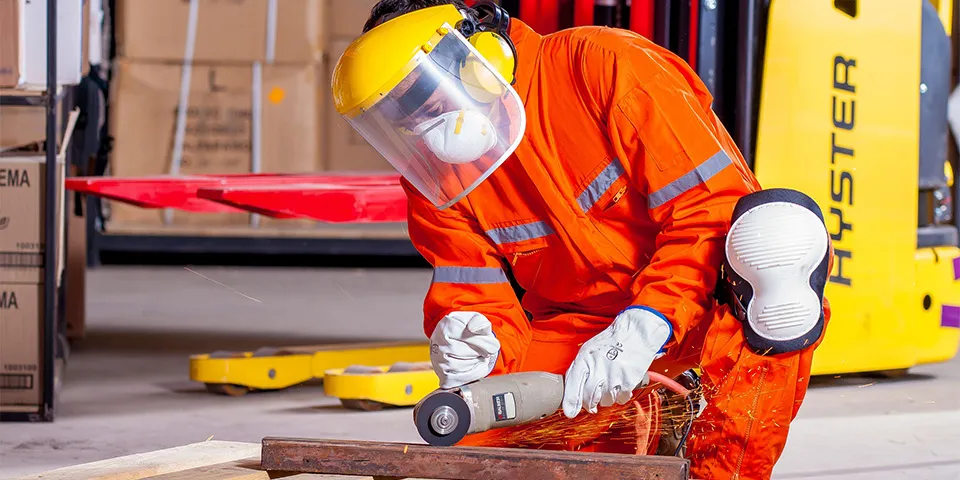
There are various safety risks on a construction site. Most accidents in the construction industry are caused by…
There are various safety risks on a construction site. According to an analysis by the labour inspectorate, most accidents in the construction industry are caused by falls. Construction sites must be screened off from the surrounding area using steel fencing at least 1.8 metres high, barrier tape and safety nets around scaffolding. Safety zones and lifting zones are established for demolition and lifting work. A lifting zone is an area used exclusively for lifting operations. This zone must be within the enclosed construction site.
Who is responsible for safety on a construction site?
On any construction project, several parties are often responsible: employers, employees, clients, permit authorities, architects and advisers. Working together, the whole team should ensure that all work on the construction site is carried out safely. Accident prevention is paramount, and good cooperation between all parties can minimise the risks. Important aspects of a Risk Assessment and Evaluation include access to the workplace and the condition of the site underfoot. In terms of safety, these include ladders and mobile scaffolds, personal protective equipment, edge protection and safety lines for work at height and in crawl spaces.
Hard hats are compulsory
In the Netherlands, working on a construction site without a hard hat is strictly prohibited. The employer is responsible for providing a suitable hard hat and must ensure that employees wear it. The hard hat protects workers from falling objects, knocks to the head and toxic substances. Every hard hat must bear the CE mark. It must also visibly display several product details, including the material, date of manufacture, size, model designation and manufacturer’s details. With normal use, a hard hat lasts three to five years, depending on the material it is made from, after which it must be replaced. Hard hats should be checked regularly for damage such as deep scratches, cracks and breaks. A hard hat will last longer if it is stored after use in a cool, dry and preferably dark place. The worst place for a hard hat is the parcel shelf of a car!
Question about this story? Ask your question
Keep following this
Get an email when a new story is published. No account needed.
- SubjectNews







