











Building a nearly zero-energy or passive house? Don’t forget insulation and ventilation
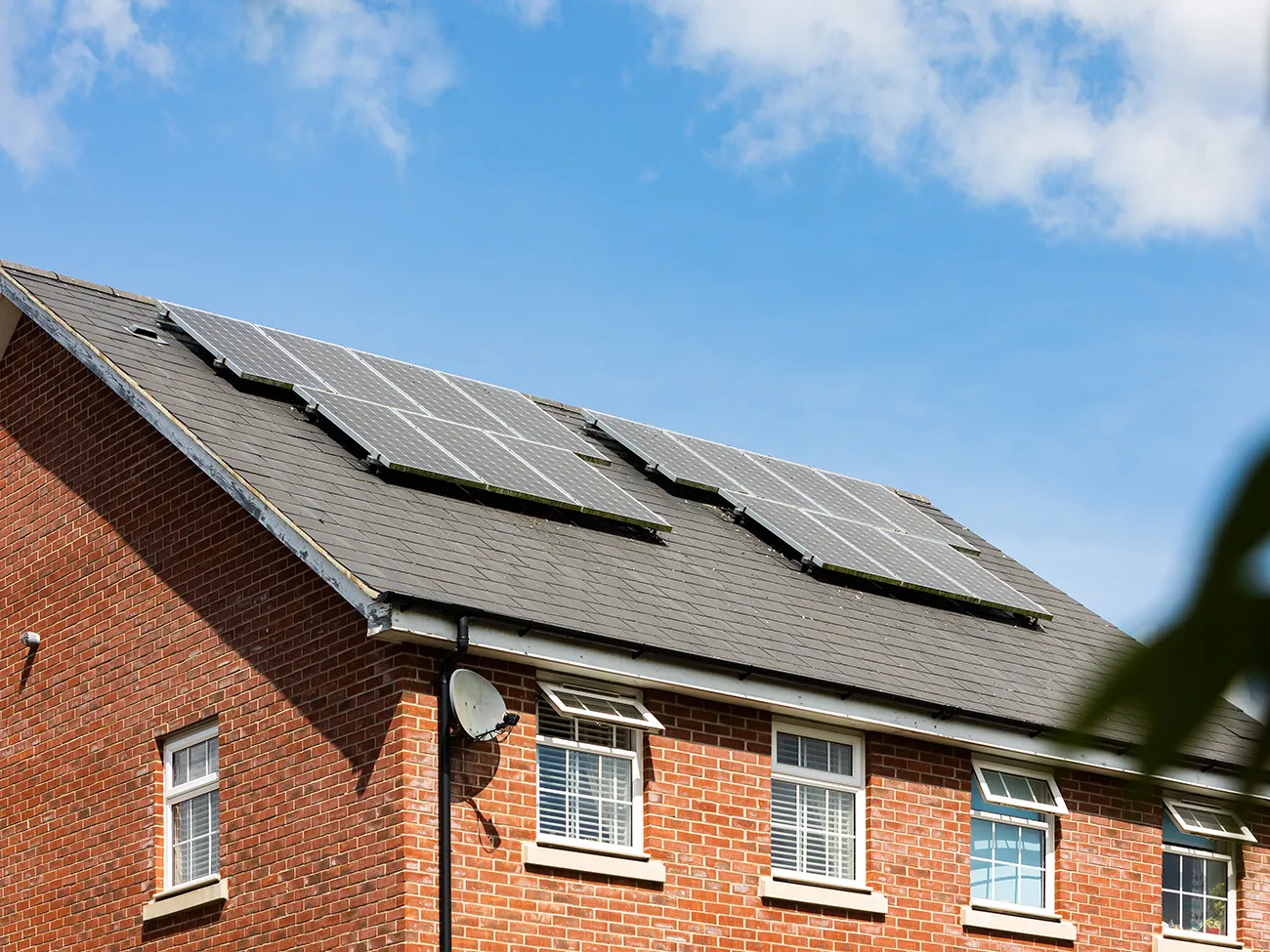
You’ve certainly heard of nearly zero-energy homes: by 2022, they had become an essential part of the landscape. The days when passive houses were a rare sight are long gone, too. Sustainable, energy-efficient living is the future, and good insulation and ventilation are essential.
The difference between low-energy, nearly zero-energy and passive homes
Let’s start at the beginning: what is the difference between a low-energy home, a nearly zero-energy home and a passive house? BEN stands for ‘bijna-energieneutraal’, or nearly zero-energy, a principle that has applied to almost all new homes since 2021. The aim is to use as little energy as possible to heat your home, and to meet any remaining energy needs using renewable sources such as a heat pump or solar panels. Such a home has an E-level of 30 or lower. Only an energy performance assessor can calculate this E-level, which depends on factors including orientation, insulation, airtightness and ventilation. A passive house is the most ambitious option: because virtually no energy is lost, its E-level is often 0 or lower. Insulation is at the heart of a passive house, with extremely thick walls, roofs and windows. Passive homes also use renewable energy, such as solar panels and solar water heaters.
Ventilation in a nearly zero-energy home
Minimising energy loss and retaining as much energy as possible calls for good insulation and ventilation. To prevent mould in the home, maintain good air quality and oxygen levels (hello, COVID or headaches) and monitor humidity, you always need a mechanical ventilation system. This is essential in a passive house, and is also a legal requirement in a nearly zero-energy home. Of the four existing systems, most people choose System D, which mechanically supplies and extracts air automatically. The other systems also include natural ventilation. This is obviously easiest to install in a new-build, but there are options for renovations too, such as a self-regulating window ventilator or a decentralised ventilation unit.
Insulation in a nearly zero-energy home
Nearly zero-energy living is impossible without good insulation. Insulation standards are important when choosing your windows, insulating your walls and roof, and selecting your heating system. If you have large windows, don’t forget to invest in extra insulation for ‘colder’ rooms. Roman blinds are ideal if you want to enjoy the views and natural light from large windows while keeping the warmth in. You can even get insulating curtains that not only retain heat in winter, but also keep the sun out with a white lining. This helps keep your home naturally cool in summer and warm in winter.
Question about this story? Ask your question
Keep following this
Get an email when a new story is published. No account needed.
- ThemeHealthy air and summer comfort
- SubjectNews







