











Bosch sees AIoT, electrification and green hydrogen as the way forward

2020 results: financial year better than expected
- Bosch CEO Denner: “Bosch weathered the first year of the coronavirus pandemic well.”
- In powertrain technology, electromobility is becoming the core business of the future.
- Bosch CFO Asenkerschbaumer: “Bosch made a successful start to 2021, with a good first quarter.”
- AIoT: target to sell 8 million connected home devices.
- Fuel cells: Bosch plans to invest more than one billion euros in this technology between 2021 and 2024.
- 2020 financial year: sales of 71.5 billion euros, earnings of 2.0 billion euros
Renningen and Stuttgart: Bosch, the technology and services company, combines the Internet of Things (IoT) with artificial intelligence (AI) and believes that electromobility will create new opportunities, driven in part by the profound technological and environmental changes currently under way. “Bosch weathered the first year of the coronavirus pandemic well,” said Dr Volkmar Denner, chairman of the board of management of Robert Bosch GmbH, at the 2020 annual results press conference. “We are among the winners in the transition to electromobility, and we are significantly expanding our software business by combining it with artificial intelligence.”
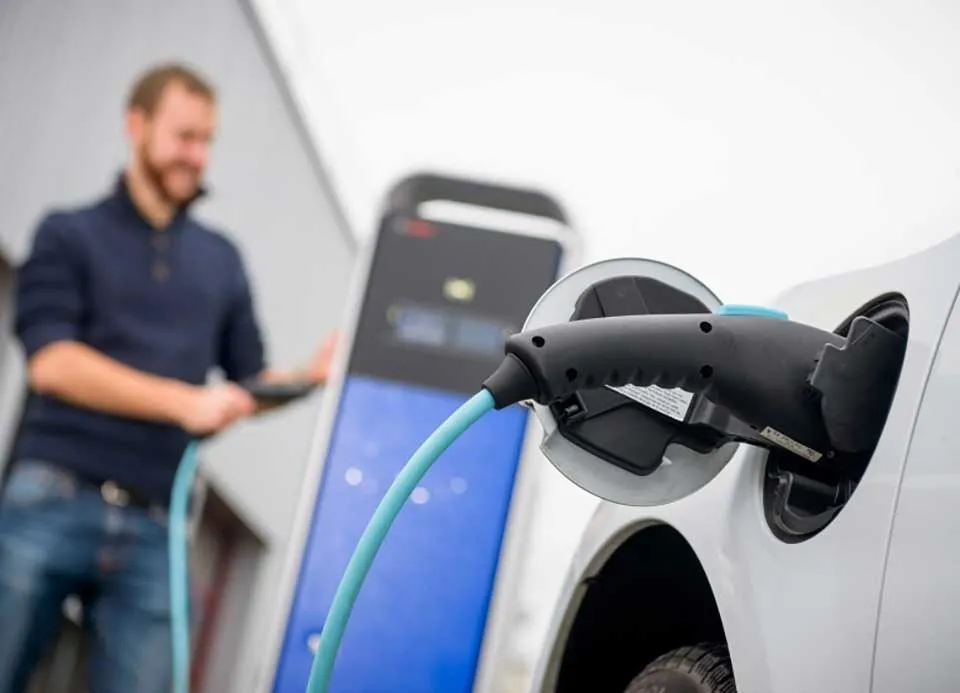
In powertrain technology, electromobility is developing into Bosch’s core business. Denner said the company is making substantial upfront investments in this area, including a further 700 million euros this year alone. Bosch has already invested a total of five billion euros upfront in electromobility. Bosch’s sales of electric powertrain components are currently growing by almost 40 per cent, twice as fast as the market. Its aim is to increase annual sales fivefold to around five billion euros by 2025, reaching break-even a year earlier. “Electromobility is no longer a distant prospect. Our upfront investments are beginning to pay off,” said the Bosch CEO at the online press conference. By the end of 2020, Bosch had secured orders worth more than 20 billion euros in total.
Bosch Group sales rose by 17.0 per cent in the first three months of this year compared with the same period a year earlier. “Bosch made a successful start to 2021, with a good first quarter,” said Prof. Dr Stefan Asenkerschbaumer, CFO and deputy chairman of the board of management of Bosch. He expressed confidence about 2021, while expecting another challenging year. For the current reporting period, sales are expected to rise by around 6 per cent year on year, while the operating margin is forecast to improve slightly to around 3 per cent, or around 4 per cent excluding restructuring costs. “2021 will be an important milestone on the way to achieving our target margin of around 7 per cent again in the next two to three years,” said Asenkerschbaumer. The encouraging 2020 financial year, despite the pandemic, was crucial for Bosch, with operating profit (operating EBIT, adjusted for purchase price allocation effects relating to Automotive Steering and BSH-Hausgeräte) of 2.0 billion euros. This gives the company a solid basis for continuing to invest in areas that will remain important in the future. With sales of 71.5 billion euros, expenditure on research and development remained virtually unchanged at 5.9 billion euros, and the operating EBIT margin was 2.8 per cent. Adjusted for restructuring costs, which weighed further on earnings in 2020, it was 4.7 per cent.
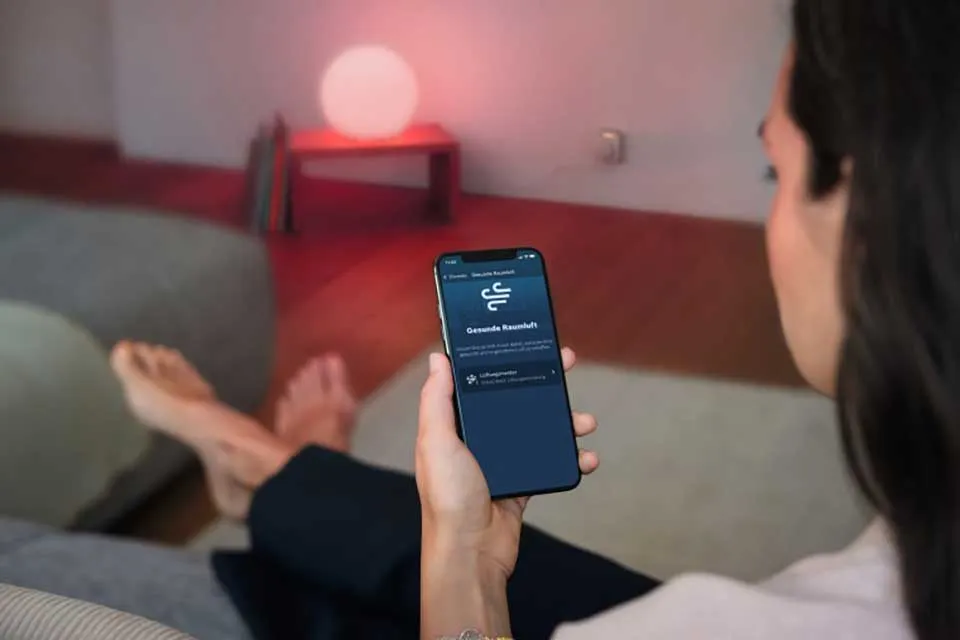
Connectivity megatrend: customers become an integral part of development
Bosch wants to leverage the competitive advantage it derives from its wide-ranging experience in combining connectivity (the Internet of Things, IoT) and artificial intelligence (AI) to generate future business and become a leading AIoT company. Bosch expects AI-based products to generate sales worth billions of euros in the coming years. Sales of connected home devices are expected to double from four million last year to around eight million units in 2021. Bosch also wants to use AI to analyse data on how its products are used and, through software updates, create new functions and services for customers. “Connected devices give us insight into how things are used,” Denner explained. “This enables us to continuously improve our products, keep them up to date and offer our customers more benefits.” In video security, for example, video analytics based on neural networks opens up new possibilities. To this end, Bosch is integrating detectors into both new cameras and an AI box that can be connected to installed devices. The first application is a ‘traffic detector’ that can initially detect and locate vehicles accurately in busy traffic conditions, even in difficult lighting. The more data that flows into the customer application, the more AI can do, including accurately detecting accidents, the company said.
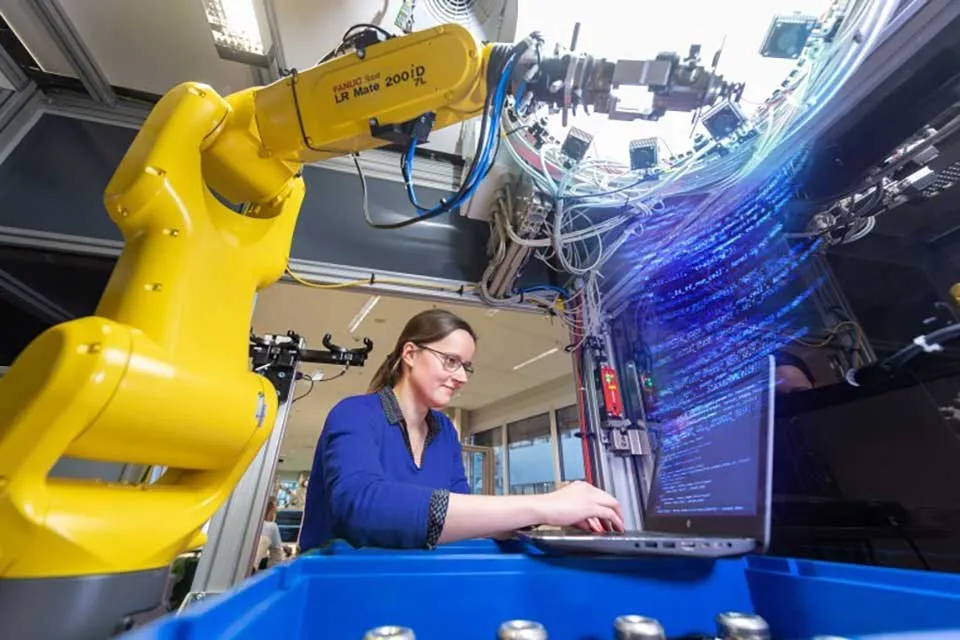
Electrification megatrend: new opportunities across sectors
Global efforts to combat climate change are driving electrification and green hydrogen. Denner believes electrification offers new opportunities across various business areas: “Electrification requires not only solutions for electric driving in cars, but also for electric heating in buildings.” In electromobility, the main drivers of change are falling battery costs and emissions standards designed to meet climate protection targets. In building technology, particularly heating and air conditioning, heat pumps and renewable energy sources are playing an increasingly important role.
For example, Bosch is growing significantly faster than the market in electric solutions in its Thermotechnology division. Heat pump sales rose by more than 20 per cent in 2020 and are expected to triple by 2025, according to Denner. The company also expects strong growth in the renovation of residential buildings required under the European Green Deal. To achieve this, Bosch plans to draw on its ‘investment capacity, large-scale production capabilities and commercialisation expertise’. In Germany, Bosch’s sales of particularly efficient and quiet air-to-water heat pumps almost doubled in 2020 alone.
Hydrogen megatrend: a billion-euro market for fuel cells
Bosch is also counting on growth in the hydrogen megatrend market. The company estimates that the market for green hydrogen in the EU will be worth almost 40 billion euros by 2030, with annual growth rates of 65 per cent. Bosch is developing stationary and mobile fuel cell solutions that convert hydrogen into electricity. The company plans to invest more than one billion euros in fuel cell technology between 2021 and 2024. “Bosch is already H2-ready,” said Denner. This year, the company plans to commission 100 stationary fuel cell power plants to supply electricity to data centres, industrial manufacturers and residential areas. A stationary solid oxide fuel cell has been operating in the centre of Bamberg since the end of March 2021. This was Bosch’s first project of its kind, carried out in collaboration with Bamberg’s municipal utility.
Bosch estimates that the market for mobile fuel cell components will be worth around 18 billion euros by the end of the decade. Denner believes Bosch is well positioned to serve this market: “We have everything it takes to become a leader here too.” Bosch recently formed a joint venture for fuel cell powertrains with China’s Qingling Motor Group. A test fleet of 70 trucks is due to go into operation before the end of this year.
Denner: EU plans could jeopardise CO2 neutrality
The Bosch CEO does not consider the EU’s original plans for the Euro 7 emissions standard appropriate, but welcomed the fact that the debate is gaining momentum and becoming more objective. He explained his position as follows: “Climate action is not about ending the internal combustion engine, but about ending the use of fossil fuels. CO2-neutral road transport can be achieved through e-mobility and green electricity for charging, but also through renewable fuels.” The Bosch CEO reminded his audience that climate-neutral mobility is almost as ambitious a goal as putting a man on the moon in the 1960s. But rather than setting only the grand objective of ‘the first man on the moon’ and leaving the practical details to engineers, as US President Kennedy did at the time, the European Commission is doing precisely the opposite. “This approach rules out alternative routes to climate protection,” Denner said. “If society is serious about climate action, it is essential that we do not pit technological approaches against one another. Instead, we must combine them.”
Reducing CO2 at Bosch: across the entire value chain
Bosch is continuing to pursue its own climate targets as planned. Now that the climate-neutral status of the Bosch Group, with more than 400 sites worldwide, has been certified, Bosch is taking more concrete steps to achieve scope 3 targets. Across the entire value chain, from suppliers to customers, CO2 emissions must be reduced by 15 per cent by 2030 compared with 2018 levels, equivalent to 67 million tonnes less carbon dioxide emissions. “Our efforts will steer our product portfolio towards energy efficiency or even technological change. In future, the environmental footprint of a supplier or logistics service provider will also be a criterion when awarding new contracts,” said Denner. “This will help protect the climate.”
2021 outlook: confidence notwithstanding, another challenging year
Bosch expects the global economy to grow by just under 4 per cent this year, following a 3.8 per cent contraction last year. “Although we began the 2021 financial year with confidence, the pandemic continues to pose significant risks,” Asenkerschbaumer explained. The CFO added that Bosch was aware of bottlenecks in the automotive sector, particularly in semiconductors, where demand is very high. The company is doing everything it can to support its customers in this difficult situation. However, no improvement is expected in the short term, and the situation could also affect business developments in the current year. In the long term, Asenkerschbaumer said, all automotive supply chains need to be made more resilient to disruption. He added that aligning the mobility division with future areas such as electromobility, automated driving and future electronics architectures also requires substantial upfront investment. “This far-reaching transformation makes 2021 a very important and challenging year for us.”
2020 financial year: coronavirus pandemic under control
Bosch Group revenue stood at 71.5 billion euros in 2020. As a result of the pandemic, this was 6.4 per cent below the previous year’s level, or 4.3 per cent lower after adjusting for exchange-rate effects. The company generated an operating result (operating EBIT, adjusted for the effects of purchase price allocations for Automotive Steering and BSH-Hausgeräte) of 2.0 billion euros. The operating EBIT margin was 2.8 per cent. “Better sales in the second half of the year and significant cost savings helped to absorb the impact of the pandemic,” Asenkerschbaumer explained. The equity ratio remains high at 44 per cent, while free cash flow reached a record 5.1 billion euros. The CFO considers the company’s liquidity position satisfactory and stressed: “Bosch continues to have a sound financial structure, enabling it to focus on areas that will also be important in the future.”
2020 financial year: performance by business sector
The Bosch Group’s broad-based portfolio was once again vindicated in 2020 by the balance it provided across different business developments. In the Mobility Solutions business sector, revenue performed better than the market. At 42.1 billion euros, revenue was 10 per cent lower than the previous year. Global automotive production fell by 16 per cent over the same period. After adjusting for exchange-rate effects, the decline was 8.2 per cent. The operating EBIT margin was minus 1.3 per cent and was also affected by a reorganisation of the business. In the Industrial Technology sector, revenue reached 5.1 billion euros. As the market had already been declining before the coronavirus pandemic, revenue fell by 17 per cent1, or 15 per cent after adjusting for exchange-rate effects. The EBIT margin was lower than in the previous year, at 4.7 per cent. In the Consumer Goods business sector, demand for household appliances and power tools rose significantly during the pandemic. Revenue increased by 5.1 per cent to 18.7 billion euros. After adjusting for exchange-rate effects, the increase was 8.4 per cent. Operating profit peaked at 11.5 per cent. In the Energy and Building Technology business sector, revenue fell by 2.7 per cent, or by 0.8 per cent after adjusting for exchange-rate effects. With revenue of 5.5 billion euros, the EBIT margin was 4.6 per cent.
2020 financial year: performance by region
For the year as a whole, revenue in Europe was 38.0 billion euros, 5.1 per cent below the previous year, or 3.7 per cent lower after adjusting for exchange-rate effects. In North America, revenue was 10.7 billion euros, a decline of 15.5 per cent. After adjusting for exchange-rate effects, this was equivalent to a fall of 12.8 per cent. In South America, exchange-rate effects had a particularly significant impact on revenue. Revenue of 1.1 billion euros was 22.3 per cent below the previous year, but after adjusting for exchange-rate effects it fell by just 0.2 per cent. In Asia-Pacific, including other regions, the early and strong market recovery in China offset the impact of the coronavirus pandemic. Revenue of 21.7 billion euros fell only slightly, by 2.6 per cent, or by just 0.7 per cent after adjusting for exchange-rate effects.
Employees: change also creates opportunities
According to Denner, the transformation at Bosch will cost jobs on the one hand, but will also open up new prospects for employees on the other. For example, Bosch is applying skills from the development and production of petrol and diesel systems at its major plants to new technologies such as fuel cells. “We have already filled more than half of our jobs in electromobility with employees from the internal combustion engine sector,” said the Bosch CEO. In addition, an internal job-matching platform has been set up to fill positions in future fields with specialists at short notice. Bosch is also making progress with digital training: since the beginning of 2020, the company has recorded more than 400,000 visits to its internal learning platform. In 2020, more than one in three training courses took place online, and this figure is expected to rise to one in two by 2023.
On 31 December 2020, the Bosch Group employed around 395,000 people worldwide. That was around 3,100 employees, or approximately one per cent, fewer than in the previous year. The number of employees fell mainly in Asia-Pacific. In Germany, the number of employees remained largely stable at 131,800. At the same time, the number of researchers and developers worldwide increased by around 600 to approximately 73,200. The number of software developers also grew by more than 10 per cent to around 34,000.
Question about this story? Ask your question
Keep following this
Get an email when a new story is published. No account needed.
- SubjectNews







