











(Bio)gas as an energy source for transport: an equally valid path to climate neutrality
In a fascinating interview series, gas.be focuses on climate targets and how we can achieve them. In a new episode, in which Liesbeth Imbo puts Stefaan De Ganck (Director Mobility & New Energies at TotalEnergies Mobility Solutions) on the spot, the main focus is on mobility. Is the electric car the only way forward? Or do alternative solutions such as CNG, LNG or hydrogen also have an important role to play? ‘We need to offer a range of solutions,’ says De Ganck.
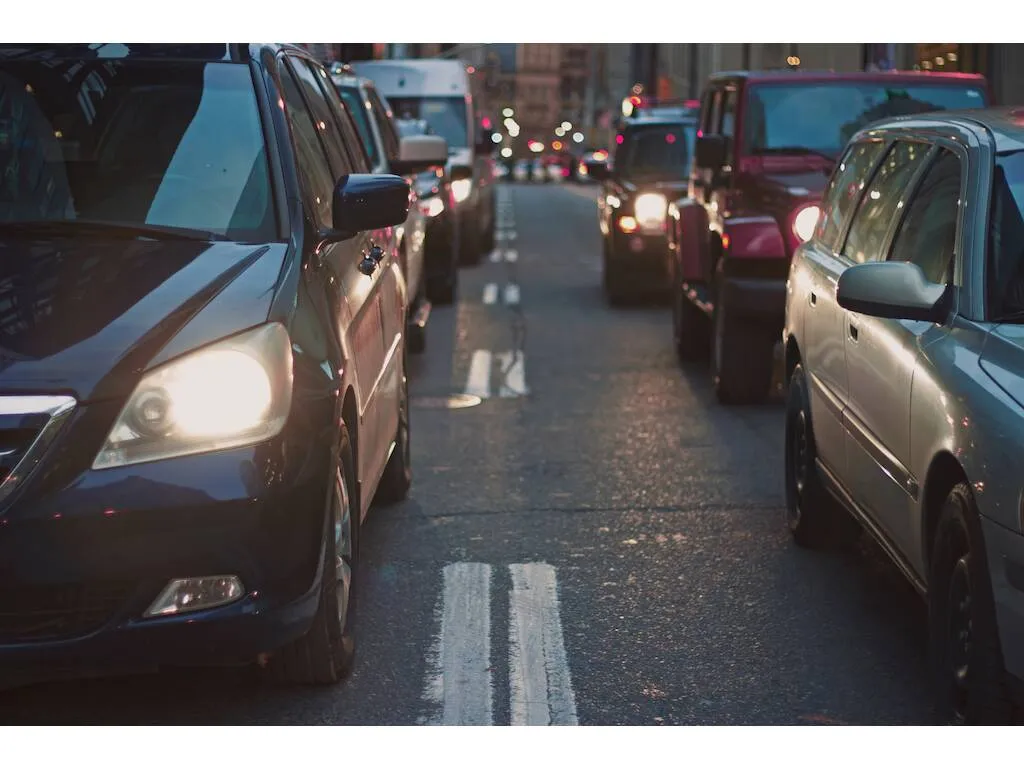
Various sectors, including industry, have taken important steps towards becoming greener. In mobility, the opposite is almost true: despite ambitious targets, CO 2 emissions have actually risen. Why is that? “There is a contradiction: we want to reduce our emissions, while at the same time demand for mobility and transport is increasing. This calls for a joint approach.
Change is certainly under way, and will continue. The vast majority of vehicles still run on fossil fuels, but alternatives are becoming increasingly popular. These include electric mobility, as well as gas in the form of (bio-)CNG (compressed natural gas), or in liquid form (LNG) for heavier transport.”
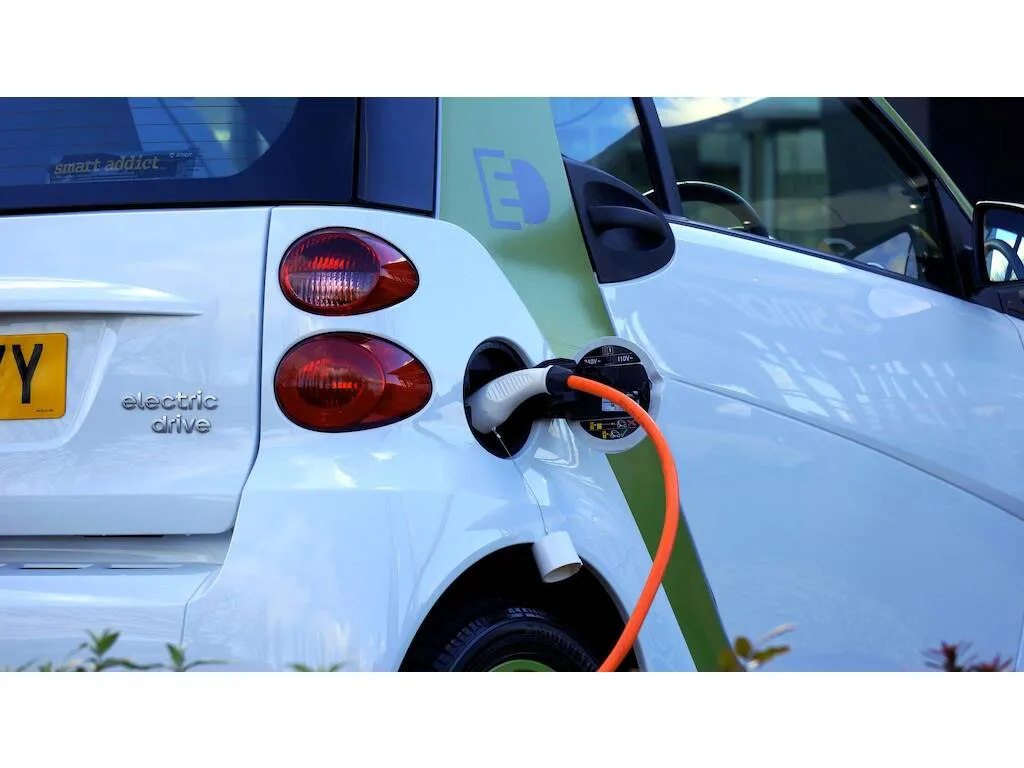
One problem with electric vehicles is that they are still too expensive for many people today. When will that change?
“An electric car is indeed still more expensive than a conventional combustion-engine car. But that price will come down, even faster than we think. The biggest factor in the cost is the purchase of a battery. And this is precisely where huge changes are under way. We expect that by 2025, an electric car will no longer cost more than a conventional car.”
Meanwhile, the government wants all company cars to be electric by 2026. Do you think that is a good thing?
“We need to be careful here: promoting a single technology is a mistake. We believe in complementary solutions and energy sources. Electric mobility plays an important role, but it is not the only good solution. There is also biodiesel, which is 100 per cent plant-based, and biogas. We are in a period of transition towards climate neutrality. During this period, several energy sources have their place.
An important question is how you assess sustainability. Do you look only at emissions, or at the entire life cycle of an energy source? If all cars were powered by electricity today, that would not necessarily mean a complete shift to green energy. After all, the electricity does not come from 100 per cent renewable sources: today, that share is around 20 per cent.”
Are people sufficiently familiar with the possibilities gas can offer for mobility?
“Private individuals are not always very familiar with it yet, but fleet managers certainly are. Around 23,000 cars in Belgium run on CNG today, and that number is still growing. A car running on CNG reduces CO 2 emissions by around 20 to 25 per cent and is also highly cost-effective. These cars can also run on bio-CNG, produced by processing organic waste, which takes us a further step towards CO 2 neutrality. Two years ago, we opened our first station in Brussels running on 100 per cent bio-CNG. Another station has recently opened in Wallonia.”
And what is the potential of hydrogen for the transport sector?
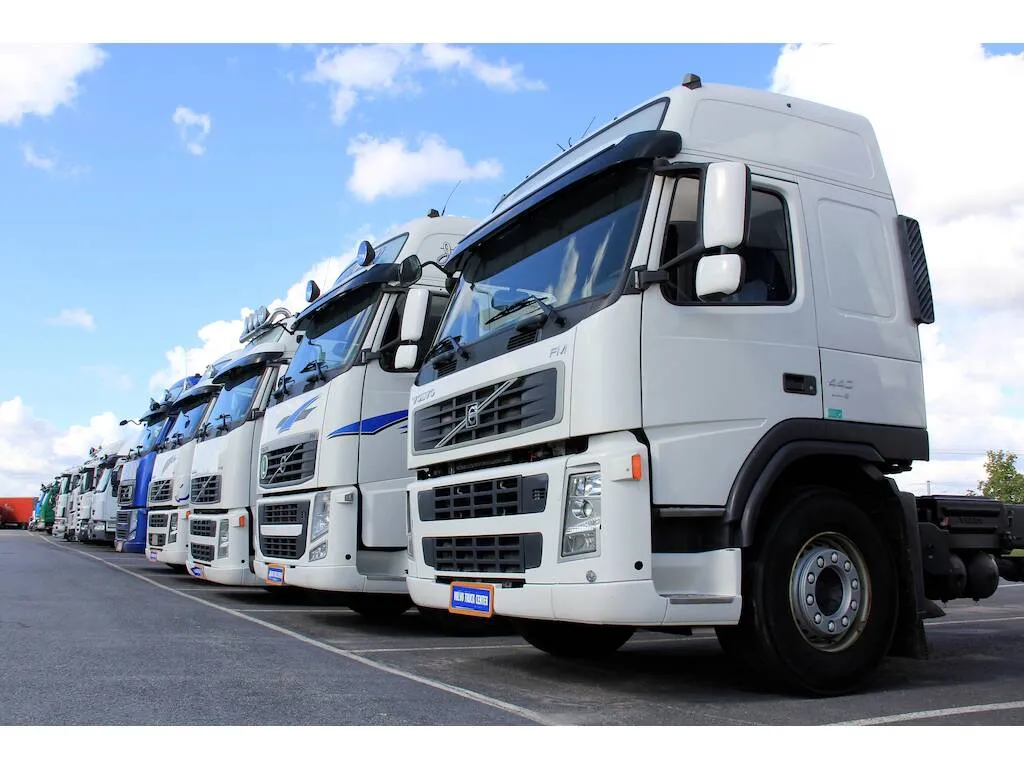
“For passenger cars, that potential is rather limited in the short to medium term, and the shift towards electric mobility will continue. But there is also heavy goods transport and long-distance transport: LNG and bio-LNG, and hydrogen by the end of the decade, have sufficient potential to make significant progress towards climate neutrality in these sectors too.”
Question about this story? Ask your question
Keep following this
Get an email when a new story is published. No account needed.
- SubjectNews







