











Amended EPB requirements from 2025: what is changing and what does it mean for HVAC installers, electricians and plumbers?
Text Wouter PolspoelImage Pixabay
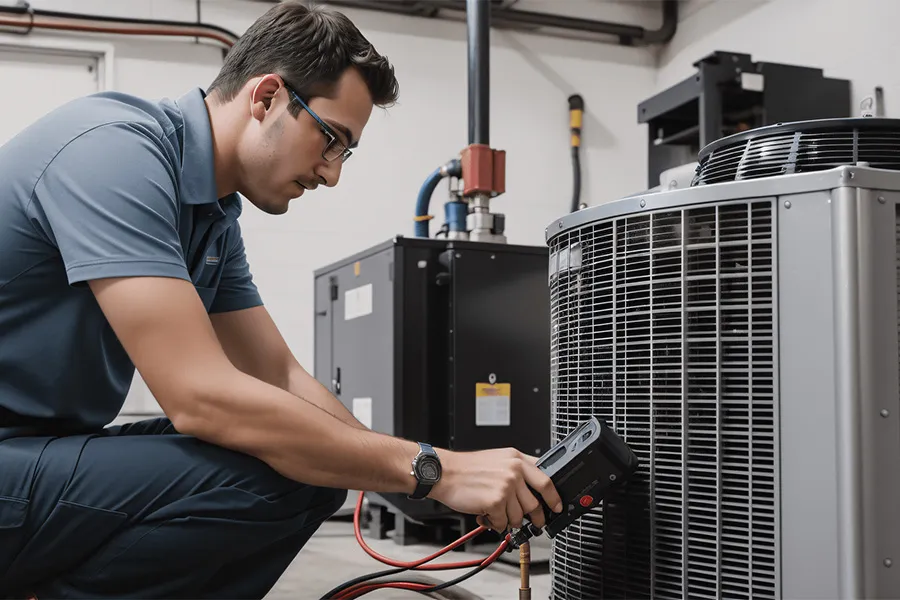
Amended EPB requirements came into force in Flanders on 1 January 2025. This article covers the three main changes and what they mean for HVAC installers, plumbers and electricians.
Regular readers of Installatie & Bouw will not need an explanation of the EPB requirements, but to be on the safe side, here is a brief overview. In Flanders, anyone building or substantially renovating a residential or non-residential building is generally required to comply with EPB regulations, with a few exceptions. A substantial renovation means that at least 75% of the existing and new building envelope elements adjoining the external environment are insulated and that the systems used to achieve a specific indoor climate are completely replaced. EPB stands for energy performance and indoor climate. The regulations set requirements for insulation, building services, ventilation and overheating. These are the EPB requirements. The aim is to reduce the building’s energy consumption, supporting Flanders’ goal of cutting CO2 emissions by 40% by 2030 compared with the 2005 reference year, and by 85% by 2050.

Boiler ban in new-build projects
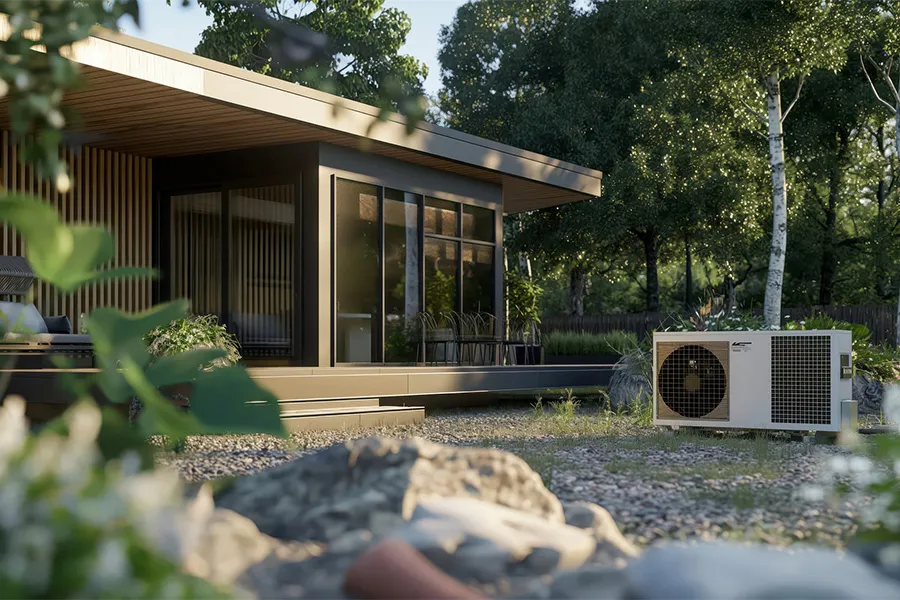
One major change is that new-build projects can no longer be connected to the gas network, which also means a ban on installing conventional gas boilers in new-build projects. Only fully electric heat pumps, connection to a heat network, other forms of electric heating or biomass boilers are permitted.
Tighter efficiency requirement for water-based heating systems
A new gas boiler can still be installed as part of a substantial renovation. However, another change requires water-based heating systems to achieve an efficiency of at least 130% in both new and substantially renovated buildings. This means a boiler alone is no longer sufficient and will need to be combined with, for example, a heat pump.
Reform of the minimum renewable energy share
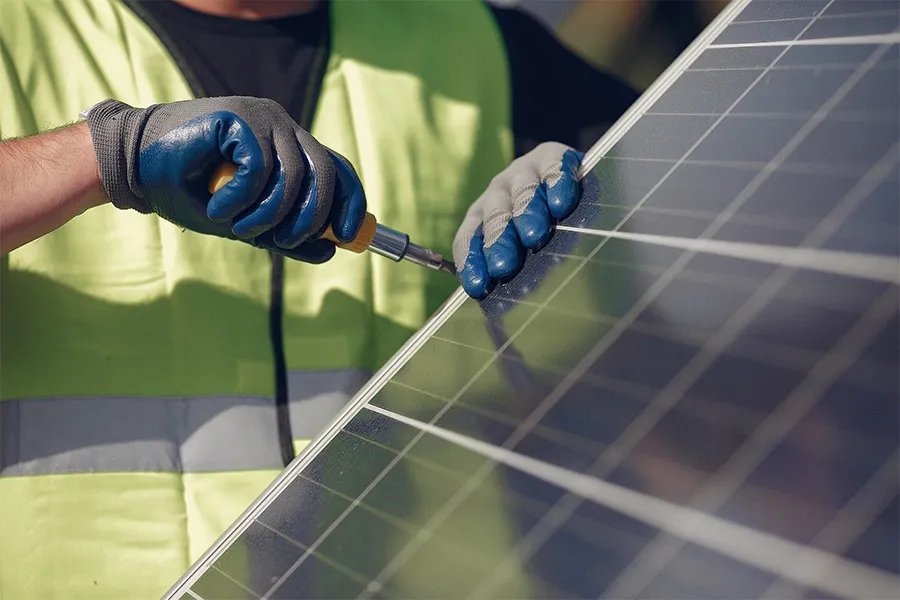
This brings about a third major change: only energy generated on site by solar panels and solar water heaters now counts towards the minimum renewable energy share. The requirement for new residential buildings falls from 25 kWh/m² per year to 15 kWh/m² per year, and for new non-residential buildings from 35 kWh/m² per year to 20 kWh/m² per year. For substantially renovated buildings, both residential and non-residential, the requirement remains 20 kWh/m² of renewable energy per year, but this must also come exclusively from solar energy systems.
Impact on grants and subsidies
The tighter EPB requirements also bring changes to the conditions for grants and subsidies. Customers who meet the new standards can receive additional financial support.
Plenty to do for installers and electricians
The changes to the EPB requirements from 2025 call for HVAC installers, electricians and plumbers to adapt their approach. They will inevitably need to broaden their expertise in renewable energy, although this trend is not entirely new. Those who fail to do so risk being left behind.
As the different HVAC sub-sectors increasingly converge, with heat pumps, for example, able to heat and cool, and energy management systems coordinating all installations efficiently, HVAC installers will also need to look beyond their own specialisms and broaden their skill set.
Electrification, meanwhile, means electricians are increasingly working with systems that would have seemed far beyond their remit twenty years ago. They will therefore need to develop their skills in these new technologies.
Finally, professionals also have a responsibility to inform customers about the new conditions for grants and subsidies and help them make the right choices. They must therefore keep up to date with these conditions and know which solutions can be used to meet them.
Question about this story? Ask your question
Keep following this
Get an email when a new story is published. No account needed.
- SubjectNews







