











Air humidification: sustainability versus TCO
High gas prices and demanding climate targets are giving adiabatic air humidification a significant boost. Air humidification specialist DriSteem offers adiabatic solutions, but warns that steam humidification is still the optimal choice in some cases. ‘Is adiabatic the magic word? Yes, but…’
In light of the gas crisis and the climate transition, DriSteem has noticed that customers are increasingly looking for green, sustainable and CO2-free ways to humidify the air. The word ‘adiabatic’ comes up regularly. Adiabatic humidification uses heat to add water to the air stream.
However, adiabatic air humidification is not equally suitable for every application, warns Marc Briers, managing director of DriSteem Belgium. “You always need to consider the total cost of ownership (TCO). Depending on the building’s occupancy, size and requirements, as well as the installation’s operating hours, the TCO of adiabatic air humidification can be so high that it is not an obvious choice. You may be choosing a highly sustainable solution, but economically it is not always the most cost-effective.”
Large or small installations
In some cases, steam humidification has a lower TCO than adiabatic humidification. “In large installations, adiabatic humidification may seem like a no-brainer, but the picture can be different in smaller buildings. Customers constantly ask us for the most sustainable solution, but we stress that they need to take all relevant parameters into account. The payback period varies considerably depending on the context,” Briers continues.
For DriSteem Belgium, then, adiabatic humidification is not always the magic word. “Electrically generated steam can also be green and sustainable,” says Briers. “Adiabatic humidifiers also require additional investment, including in water treatment and hygiene measures. The initial cost is relatively high, especially compared with steam humidifiers.” An adiabatic installation therefore requires extra investment, for example, to obtain VDI 6022 certification, which indicates hygienic air humidification that is safe from Legionella.
That is why DriSteem Belgium supports its customers in making the right choices. Briers says: “Depending on the customer’s situation, various calculation modules produce a tailor-made solution and an answer to the question: ‘Is steam or adiabatic air humidification the optimal choice for this customer?’ We naturally leave the choice to the customer, but it is important that they have an overview of the full picture.”
Hospitals or the pharmaceutical industry
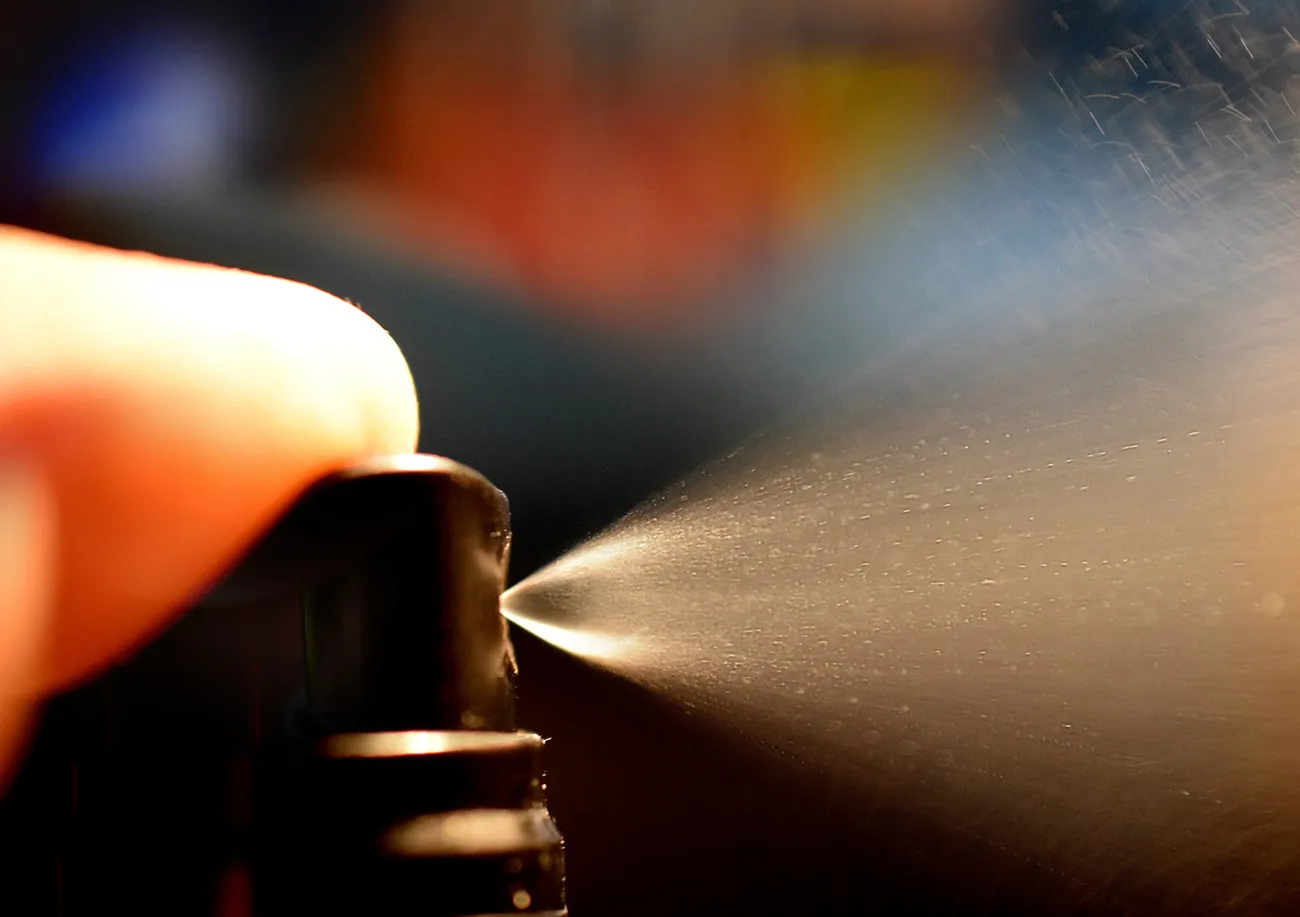
“The story of steam humidification is certainly not over,” Briers continues. “Steam remains the most sterile solution, with no risk of contamination. In some sectors, such as hospitals and the pharmaceutical industry, the hygiene requirements are so stringent that choosing steam is non-negotiable. Adiabatic humidification can never offer the same level of hygiene as steam humidification.” Moreover, advances in hydrogen technology offer new prospects for steam humidification in the long term.
Een zakelijke vraag aan Dristeem Belgium? Get in touch
Companies in this story
Keep following this
Get an email when a new story is published. No account needed.
- ThemeHealthy air and summer comfort
- SubjectNews
- CompanyDristeem Belgium







