











40% less CO2 by 2030
It took considerable effort and political debate, but in early November the Flemish Government finally presented its climate plan. Ambitious, according to some, a damp squib to others, but there is no doubt that significant changes are on the way. Here is an overview.
Ahead of the climate summit in Glasgow, the parties in the Flemish Government had to agree on the efforts Flanders would make in the coming decades. It was clear that ambitions needed to be raised. In the end, the Government reached an agreement to cut CO2 emissions by 40% (up from the initially planned 35%). Climate organisations were moderately pleased with the principles of the agreement, but not with the target: Europe is asking Belgium to cut emissions by 47%, so Flanders remains well below the bar set by Europe. That is not to say nothing is being done. From 2029, no diesel, petrol or hybrid cars may be registered, undoubtedly the most eye-catching measure. The ban does not apply to the second-hand market, however, and the timetable may be revised if 2029 proves unfeasible, for example because too few charging points are available or electric cars are still too expensive.
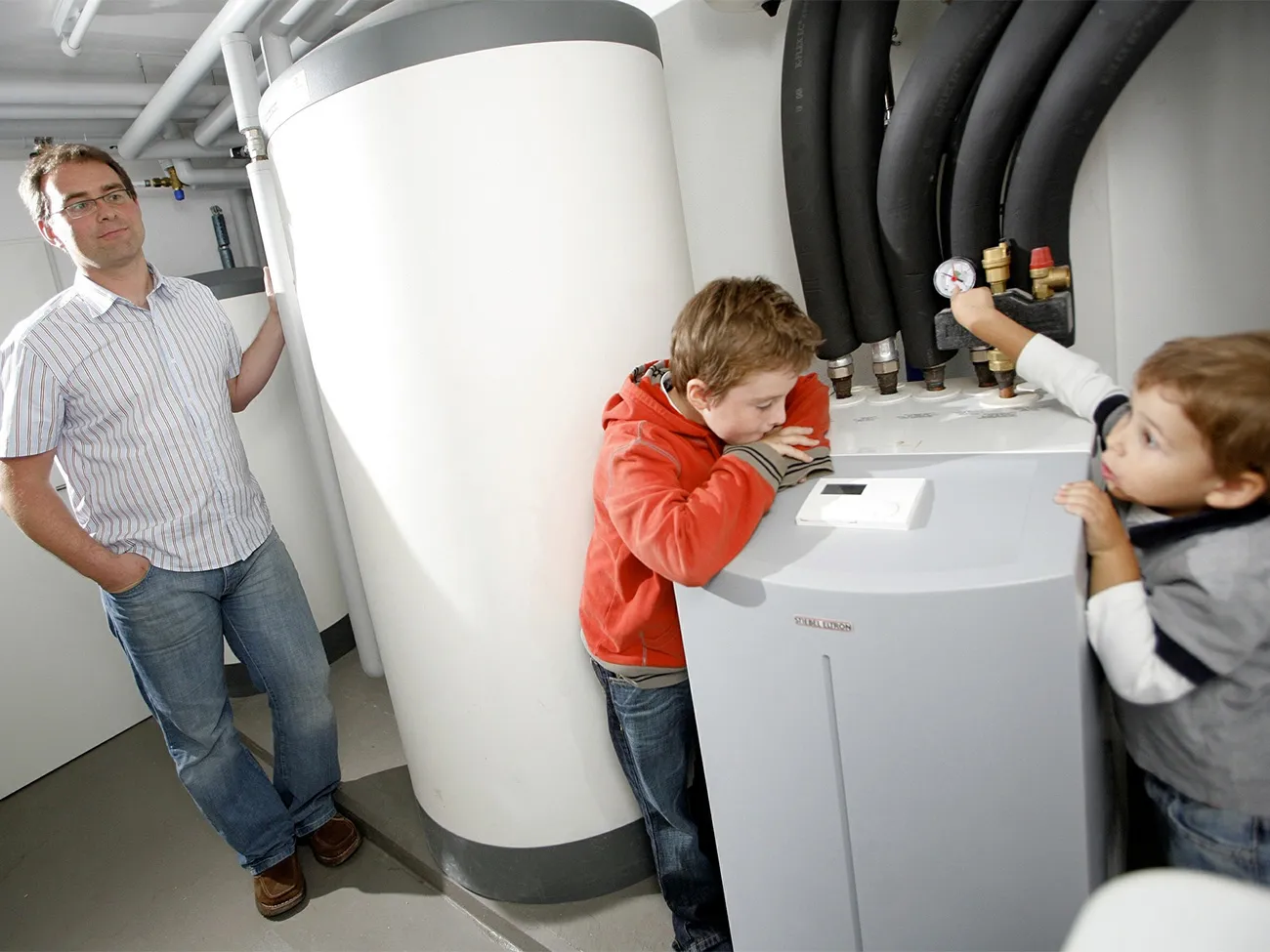
Flanders is also firmly committed to fossil-free heating in the future. The Flemish Parliament had previously decided to ban oil-fired boilers in new-build homes from 2022. The climate plan now also provides for a ban on gas heating in new-build projects from 2026. Three years earlier, from 2023, only hybrid heat pumps will be permitted, ruling out gas-only systems. These measures are intended to encourage the uptake of heat pumps, so the Government is also increasing the grant for heat pumps from 1,500 to 2,250 euros. The Government has, however, asked energy regulator VREG to lower distribution network charges for homeowners, to address the mismatch between heat pumps and solar panels following the abolition of the net-metering system.
Tax shift: the hot potato
One problem for heat pumps remains unresolved in practice: artificially high electricity prices, which continue to stand in the way of their widespread adoption. The agreement does mention a ‘shift in charges from electricity to gas to make heat pumps more attractive’, but no agreement on this tax shift has yet been reached. This is also the plan’s Achilles heel, says Ruben Baetens, energy policy adviser at 3E, in an opinion piece in De Tijd: “A tax shift from fossil fuels to electricity is listed as a condition for other measures, but it is not explicitly set out as a measure and has not been worked out. The only references are to ‘the abolition of indirect subsidies for connections to the natural gas network’ and ‘the introduction of a natural gas levy on non-residential users to fund a tax shift’. The natural gas levy is expected to raise 45 million euros for the Government. That is around 5% of what a genuine tax shift would require.”
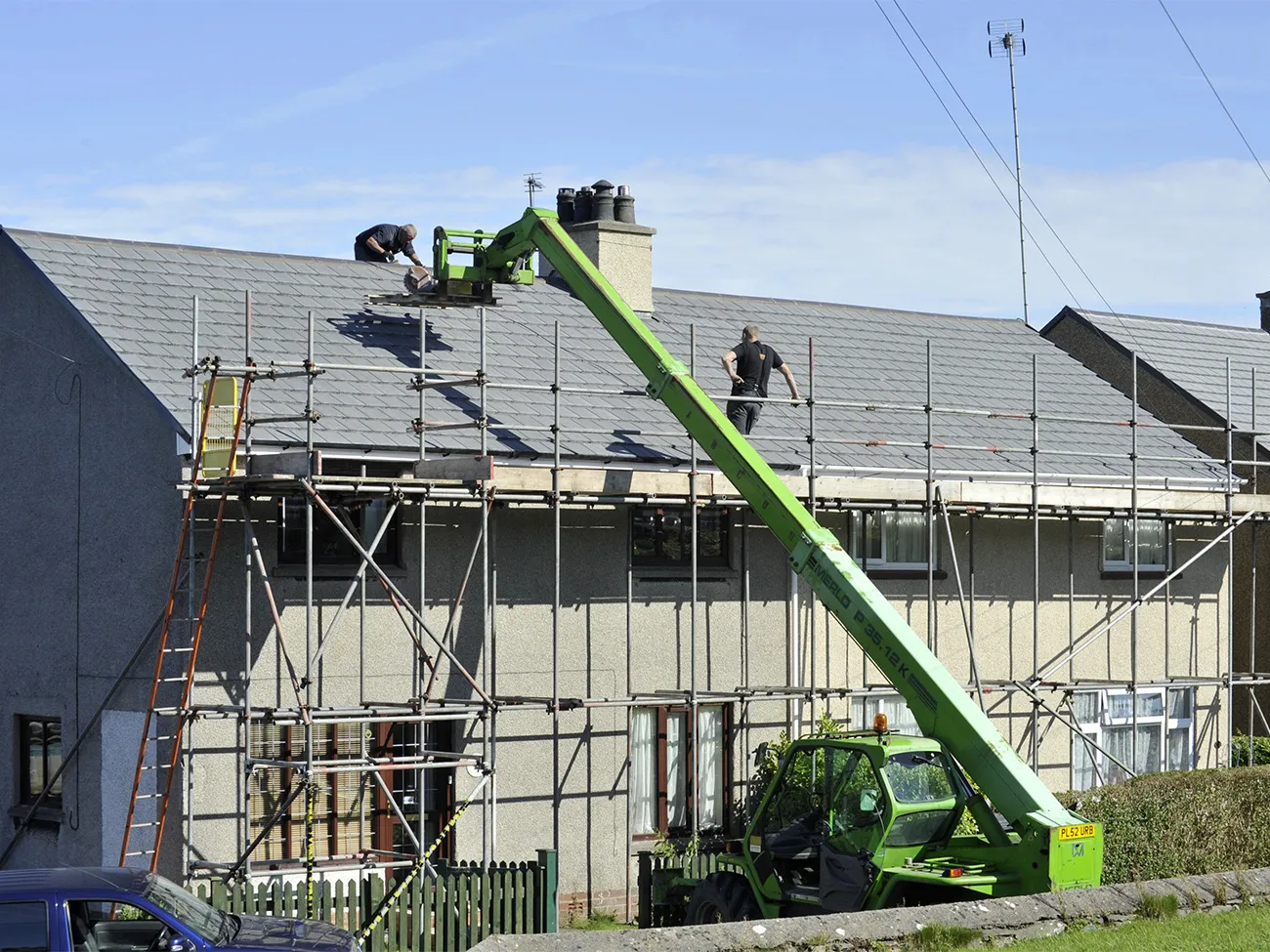
Another key element of the climate plan is the renovation obligation from 2023: owners of homes with an EPC rating of E or F must renovate them within five years so that they achieve at least a D rating. The measure immediately raised eyebrows. “We’re going to make very poor-quality homes slightly less poor,” Pieter De Groote of Netwerk Architecten Vlaanderen (NAV) told De Morgen. Ruben Baetens agrees. “The end goal is for every home to have an A rating by 2050. A new roof, façade insulation and window replacement are works that should typically last 30 to 50 years. Every façade renovation should therefore already meet the 2050 requirements.”
The Matthew effect
Moreover, renovations are not always easy to finance, whether or not they are compulsory. The measure will exacerbate the Matthew effect, says Dirk Holemans of think tank Oikos in De Standaard: “Those who are already doing well will seize the opportunity to improve further and limit their energy bills. Those already struggling to make ends meet will face an even harder time.” Holemans argues for more targeted interventions at neighbourhood level, rather than leaving each individual to fend for themselves. “That would lead to collective projects that provide motivation and are also much cheaper.”
Techlink, the national trade federation for engineering and installation companies, welcomes the fact that the Flemish Government is finally taking decisions on mobility and heating technologies in buildings, but has some reservations about the plan.
Director General Kris Van Dingenen regrets what he calls ‘knee-jerk policymaking’ and believes a systematic approach would be more effective: “When making decisions about their energy choices, consumers cannot afford to think in silos. When building or undertaking a major renovation, they have to choose a system that encompasses all technologies. In October 2021, the Government pushed us towards the ‘gas’ alternative by banning oil-fired boilers. Half a month later, it was also considering a ban on gas boilers in new-build homes. Will another piecemeal decision follow next week?”
Techlink also questions whether full electrification is feasible and is calling on the Government to help fill the record number of vacancies in the installation sector.
“The Flemish Government must be wary of making hasty, high-profile decisions that are not always effective and, moreover, have not been discussed with the sectors concerned. The green and digital transitions require people, resources and investment,” Techlink adds. “We would rather see policies that encourage people to make the ‘right choices’, such as sustainable heating with heat pumps, without resorting to a patchwork of subsidies and without considering the bigger picture, than policies that ban things. A tax shift to reflect CO2 emissions will not undermine public support. Bans without the necessary transition measures will.”
Question about this story? Ask your question
Keep following this
Get an email when a new story is published. No account needed.
- SubjectNews







