Tips for protecting central heating systems through preventive maintenance
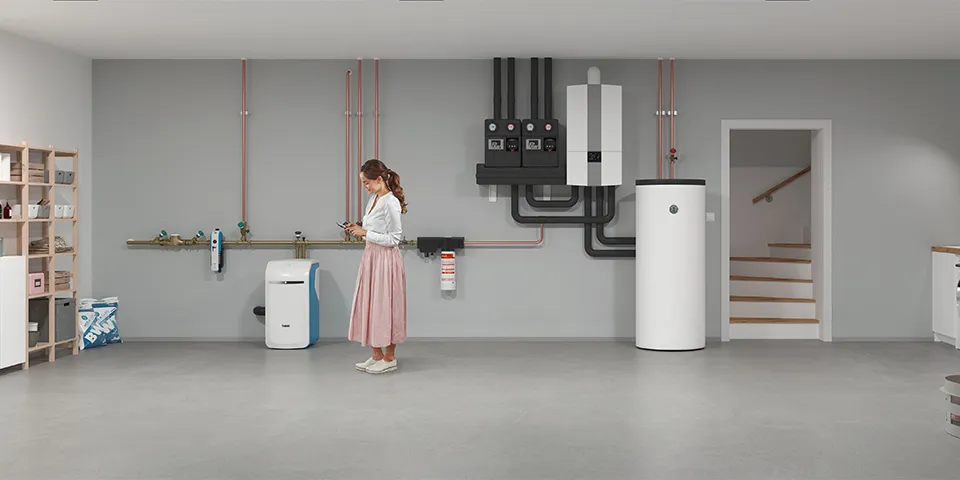
As a plumbing and/or heating expert, you know that tap water in Belgium is of good quality. But did you also know that water is hard in many regions and can cause many problems, including faults and high maintenance costs for the owner, even in central heating systems? It is therefore best to use water of optimum quality from the moment the system is filled. Or ask BWT for the right advice on your central heating water treatment project.
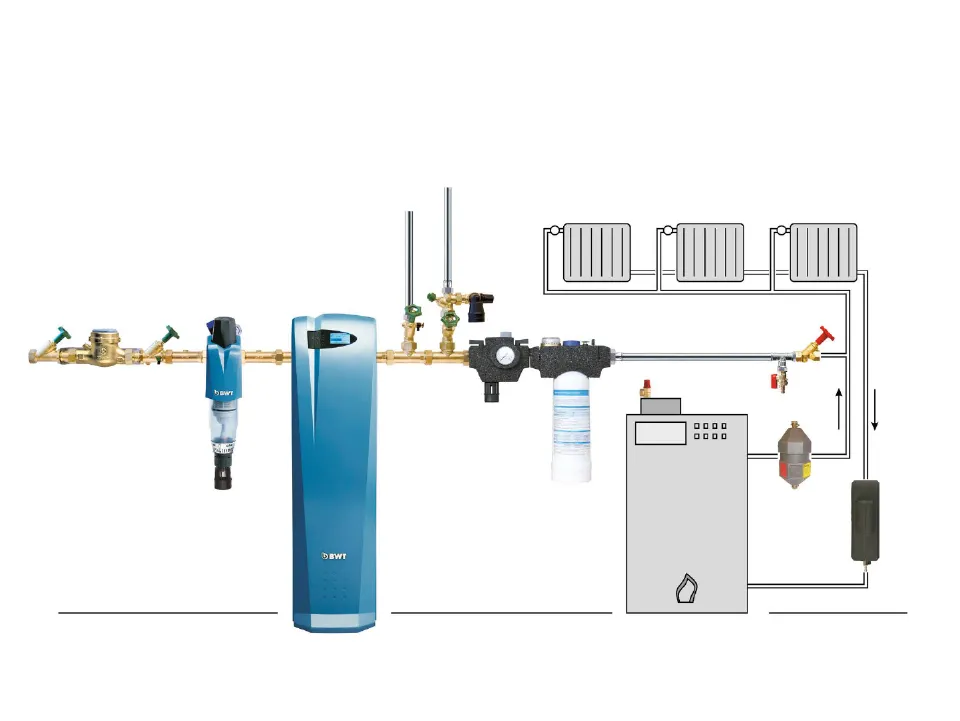
Guidance for installers
In 2009, the German engineering association VDI issued new guidelines for central heating water quality: the so-called ‘VDI-2035 guideline’. Since then, it has also been the standard reference in Belgium. Central heating water treatment has 3 aims: no limescale deposits, no corrosion and, when domestic hot water is also produced at the same time, no contamination.
1. PROTECTION AGAINST LIMESCALE DEPOSITS
To avoid complex calculations (specific volume, hardness, etc.), opt for low-salt operation in accordance with the VDI-2035 target values.
2. PROTECTION AGAINST CORROSION
The lower the salt content (or conductivity) of the water, the lower the corrosion rate. Perfectly low-salt water is produced by reverse osmosis (RO). This membrane technology produces water with a pH that naturally reaches between 8.2 and 8.9 after deaeration and a few weeks of normal heating: a perfect compromise for all materials in use today, and compliant with all guidelines.
3. PROTECTION AGAINST DRINKING WATER CONTAMINATION
When central heating water is also used to heat domestic hot water, drinking water standards must also be met (DIN-1988-100 and EN-1717). If you choose to add chemical products, the EN-1717 hazard category changes to 4, the backflow preventer must be a BA valve, and the heat exchanger must have double walls. It is therefore better to opt for natural filling water without chemicals, as prescribed by VDI-2035.
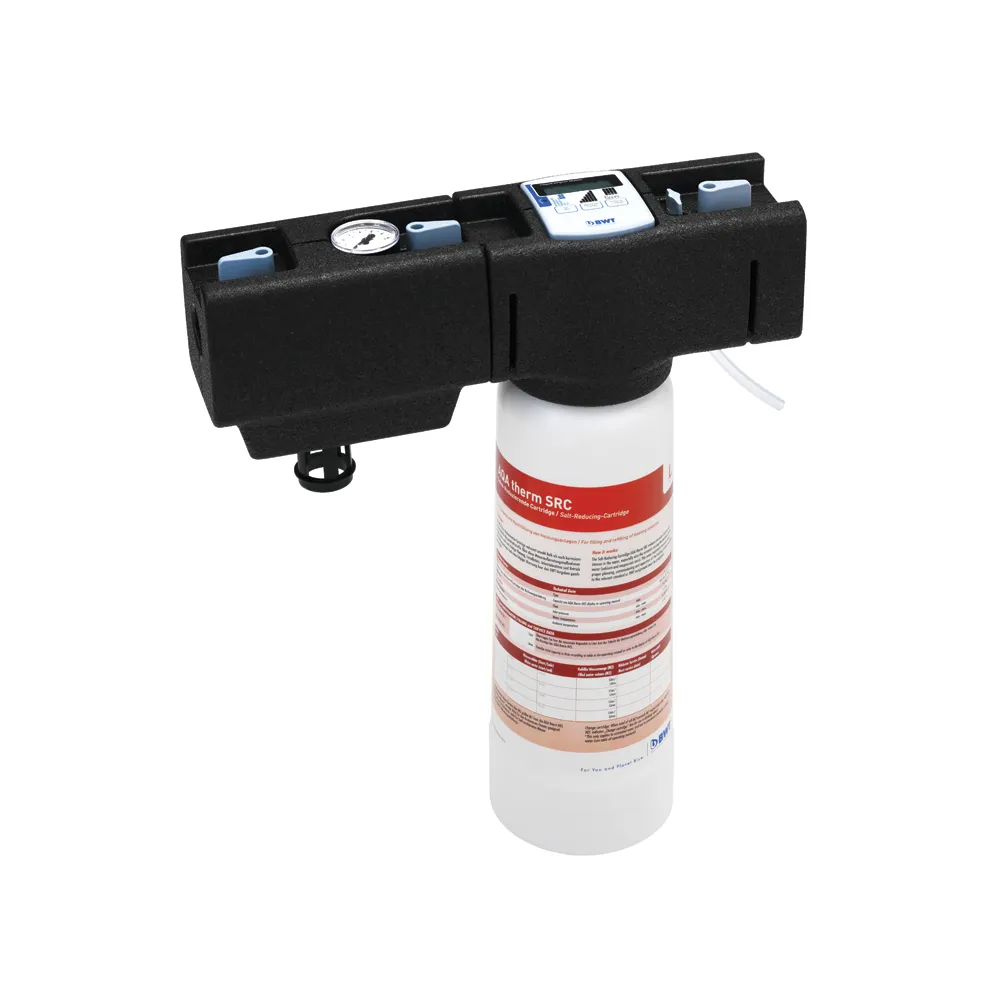
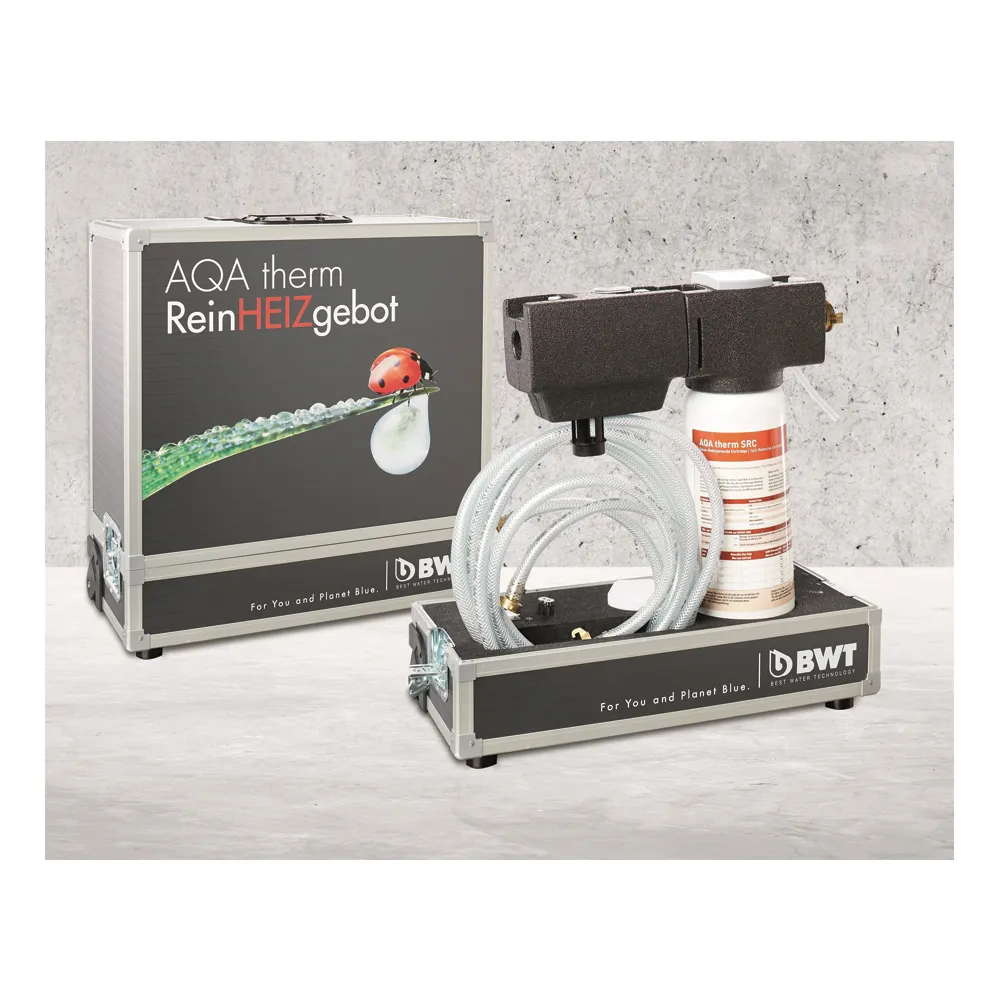
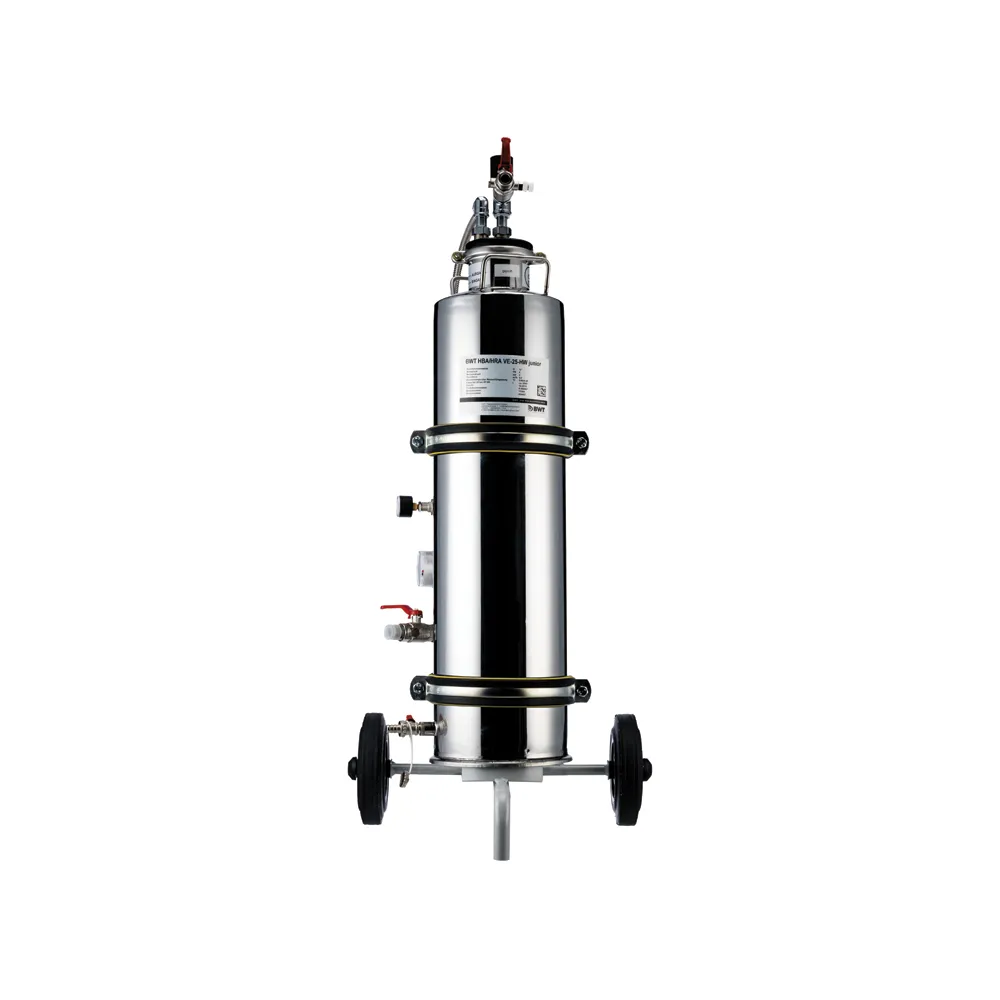
Which products can I use to fill the central heating system?
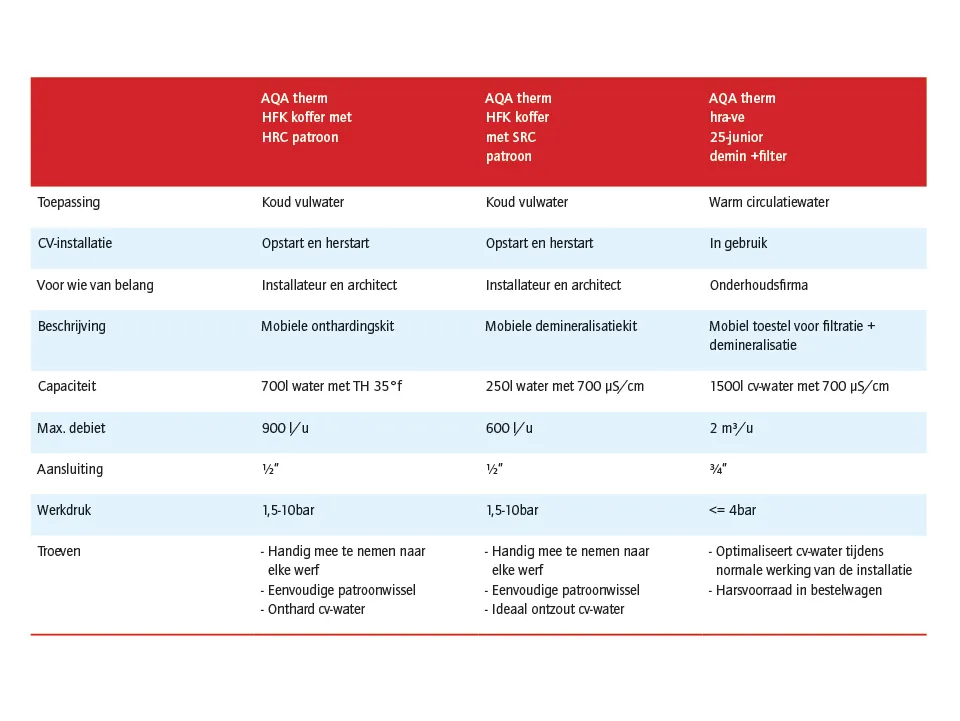
For larger buildings, you can use the mobile reverse osmosis (RO) unit (see fig. 1) and install a (permanent) demineralisation cartridge (see fig. 2) on the make-up water line after the check valve. For domestic central heating circuits, BWT offers a more compact mobile case with disposable cartridges for softening or demineralisation (fig. 3). In existing systems with corrosion problems, you can demineralise the central heating water using a mobile stainless steel cartridge (fig. 4), without having to shut the system down.
Question about this story? Ask your question
Keep following this
Get an email when a new story is published. No account needed.
- SubjectSanitaryware