There’s a heat pump for every home

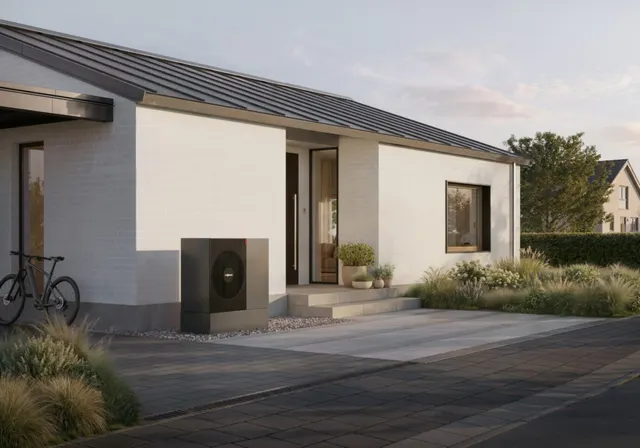
For new-builds, a heat pump has long been the obvious choice. But when renovating, it also makes sense to replace a traditional boiler with a modern, climate-friendly solution. Choosing a heat pump means opting for a sustainable system that is fit for the future, combining minimal energy consumption with optimum comfort. And contrary to popular belief, this option is also within reach for owners of existing homes, even older properties with radiators.
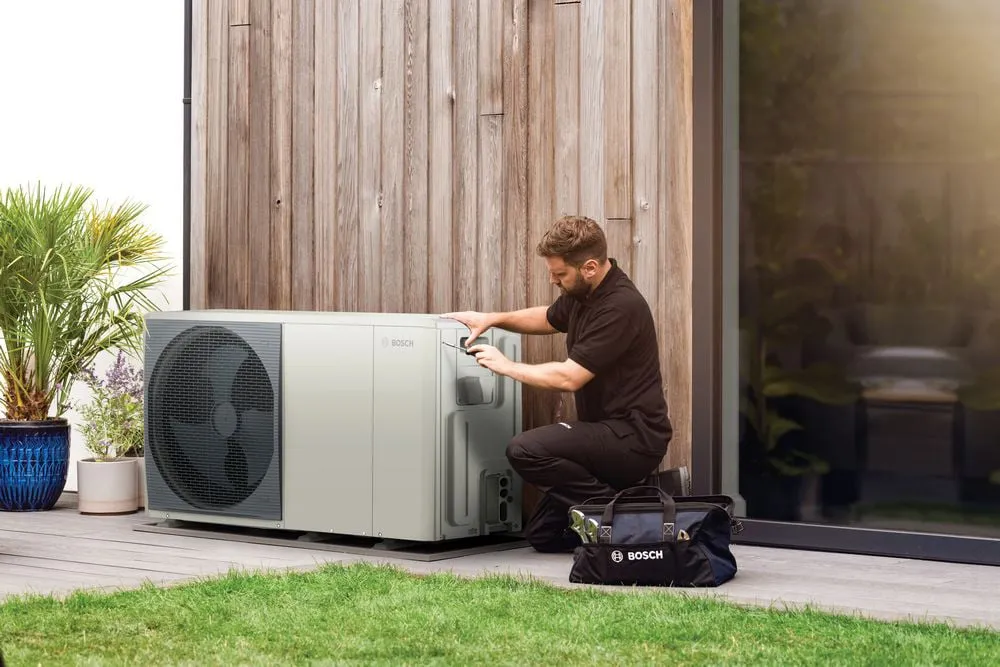
Europe aims to be climate-neutral by 2050. This means we must no longer emit greenhouse gases by then. Investing in a heat pump now is a green investment that is future-proof. Heat pumps make us less dependent on energy crises, emit fewer greenhouse gases than conventional boilers and therefore contribute to a climate-neutral world. They also make it easier to meet EPB requirements (the energy performance of buildings) and will comfortably meet future government energy requirements.
For some, these green, future-proof benefits may be enough to make the decision. But there are also financial advantages to choosing a heat pump. It can increase your home’s saleability or rental appeal, as well as its value. And if you combine a heat pump with solar panels, you won’t need to draw all your electricity from the grid, allowing you to make maximum use of the electricity you generate. Heat pumps are also eligible for various grants, and green loans offer favourable interest rates, particularly when a heat pump is installed as part of a renovation.
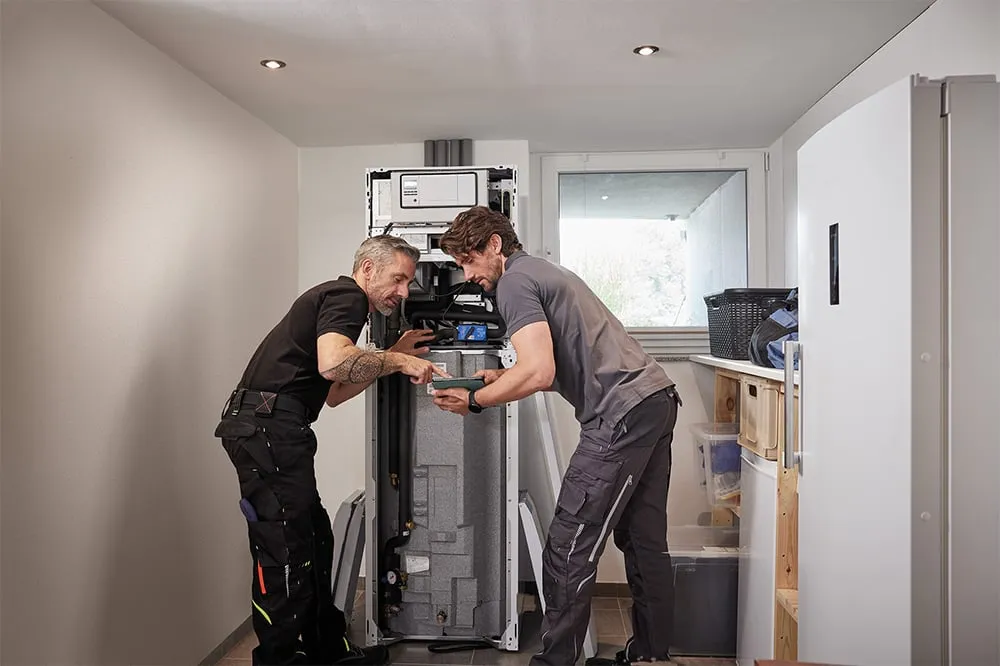
Heat pumps designed for renovation
Many people mistakenly believe that heat pumps are suitable only for new-build homes. That is not the case. There is a suitable heat pump for every application in an existing home, whether for space heating or cooling, water heating, or both, and across a range of budgets.
The most popular and affordable heat pumps for renovation projects are heat pump water heaters, air-to-air, hybrid, air-to-water and ground-source heat pumps.
A heat pump water heater is suitable for almost any home, regardless of its level of insulation. With an appliance price of between €2,000 and €3,250, it is one of the most affordable renewable energy solutions for the home, but it is used only to heat domestic hot water for the bath, shower or kitchen.
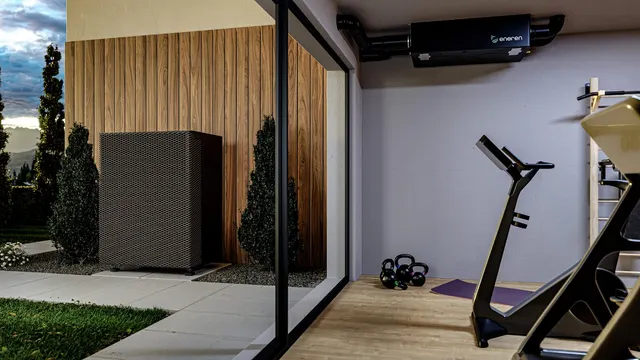
An air-to-air heat pump is also an accessible and cost-effective solution for an existing home. Before the energy crisis, this type of heat pump was mainly sold as an air conditioner. But it can also reverse its operation and provide heating. It is therefore sometimes described as a ‘reversible air-to-air heat pump’ or an ‘air-to-air heat pump with cooling’. Air-to-air heat pumps can heat and cool your whole home efficiently, but they are also an ideal solution for rooms you do not want to heat or cool continuously, such as bedrooms and studies. For a monosplit system (1 outdoor unit and 1 indoor unit), expect to pay from around €975 for the appliance. Prices for a multisplit system (for heating and cooling several rooms) start at €2,500.
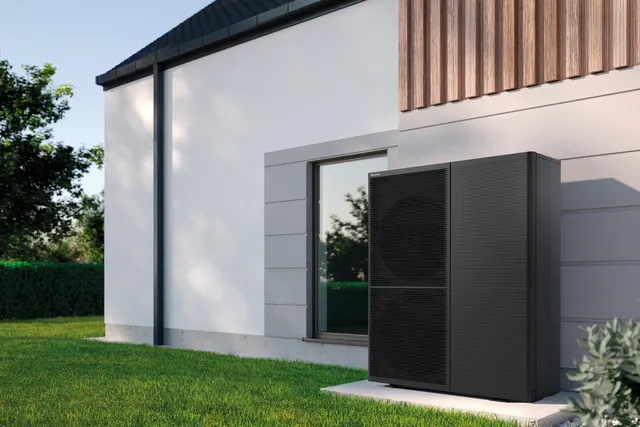
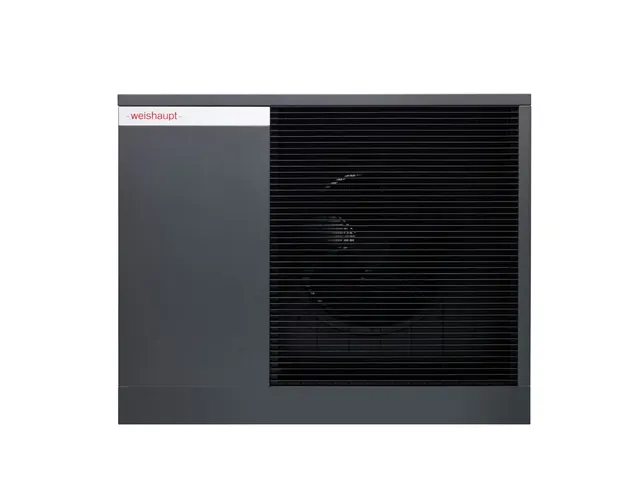
If your home is well insulated, choose an air-to-water heat pump (from € 4.500 euro for a low-output appliance and €12,500 for a higher-output appliance) or a ground-source heat pump (from € 6.500 for a low-output appliance and from €13,500 for a higher-output appliance) for a future-proof solution. If you opt for a duo model, or have enough space to connect your heat pump to a separate cylinder suitable for use with a heat pump, you can produce domestic hot water as well as heat your home. Bear in mind that this requires sufficient space: approximately 60 cm in diameter and 1.25 to 1.8 m in height. And one additional comfort benefit that conventional heating systems cannot offer: in summer, the heat pump can cool your home, either through fan coil units or by radiant cooling if you have underfloor heating.
When renovating an existing home that is not sufficiently insulated for heating with a standard air-to-water heat pump, or if you are renovating in stages, a hybrid add-on system is a smart choice. It combines a heat pump with another heat source, such as an oil or gas boiler. This type of add-on is relatively straightforward to install. The system is sized according to the building’s level of insulation. If the home is well insulated at a later stage, the second heat source may be removable, but be sure to check with your installer. This system is therefore a good option if you are renovating in stages, or plan to carry out major insulation work later so that you can eventually disconnect your boiler completely. Depending on its output, a heat pump installed to supplement an existing central heating boiler costs from €5,300 for the appliance when you choose a standalone solution, and from €7,300 if you also want to use the hybrid unit to heat domestic hot water.
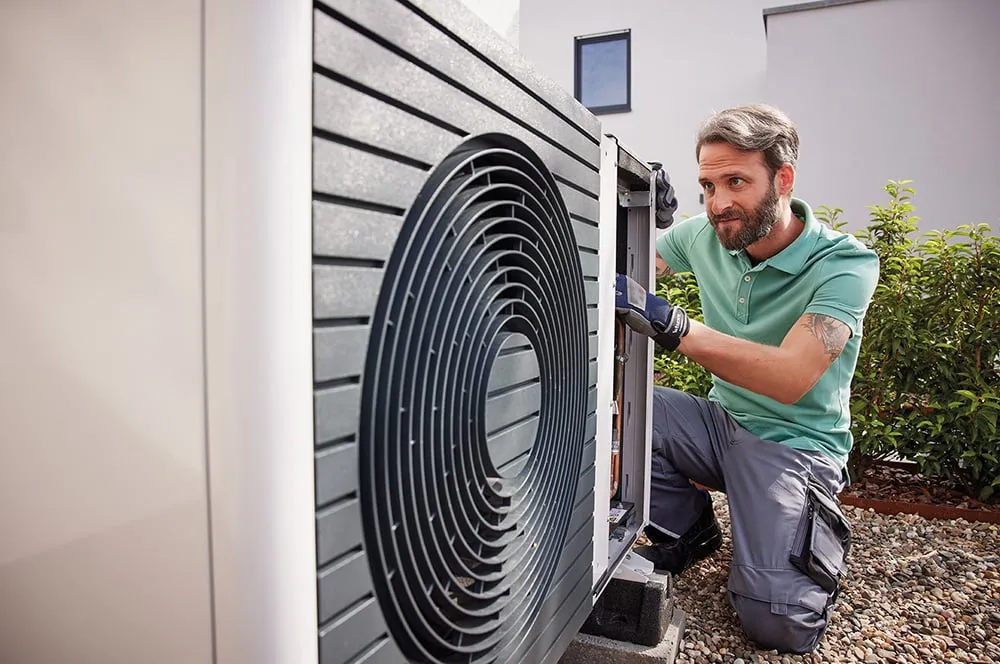
Suitable for older homes with radiators, too
Heat pumps work most efficiently in very well-insulated homes and achieve their highest efficiency with a low-temperature heat-emission system, such as underfloor heating. This operates at a maximum of 45 to 55 °C, with heat pumps working most efficiently at 35 °C.
But that does not mean heat pumps are suitable only for new-build homes with underfloor heating. Many older homes with radiators are also ready for a heat pump.
The Flemish energy performance certificates (EPCs) submitted over the past two years show that 35% of existing single-family homes are ready for a full-electric heat pump, while 33% can have a hybrid heat pump installed without major modifications. Of apartments, 76% are fully heat-pump-ready and 17% can have a hybrid heat pump installed. The remaining apartment buildings first need additional insulation.
Nor do you necessarily have to opt for underfloor heating. Existing radiators may sometimes be sufficient to keep a home comfortably warm at a low temperature, for example because insulating the home has reduced its heat demand, or because the original radiators were oversized. If not, you can add a few radiators or replace the existing ones with larger radiators or fan coil units. If you want to keep your radiators, you can also choose a high-temperature heat pump capable of reaching temperatures above 65 °C, but these cost considerably more to run.
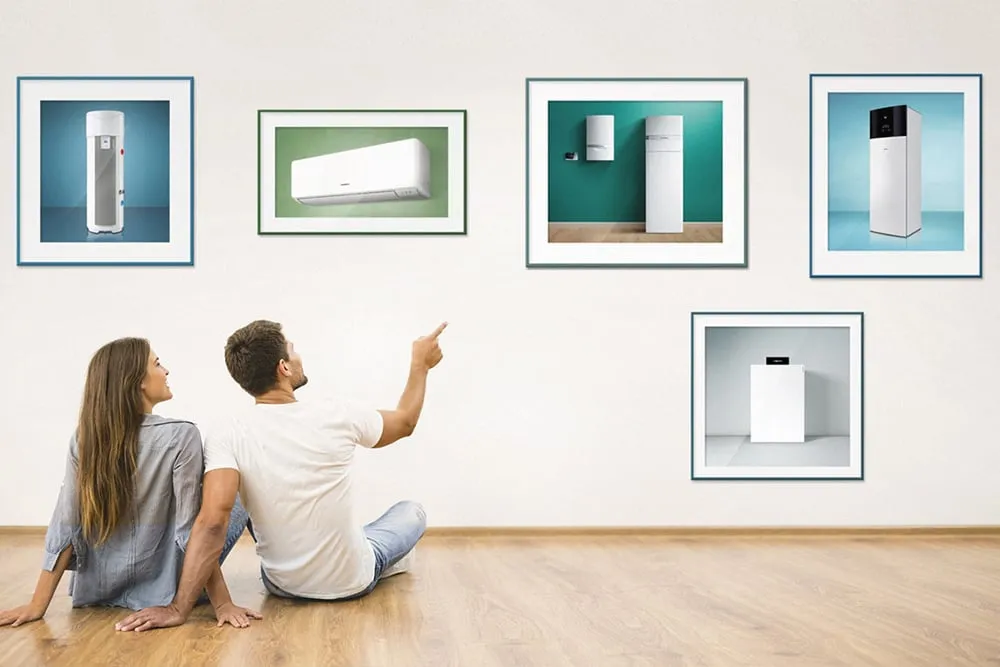
Is your home heat-pump-ready?
To help you find out whether your home is ready for a heat pump, the Flemish Energy and Climate Agency VEKA has recently launched a new online tool: www.warmtepompklaar.be. Enter a few details, including the floor area, insulation in the roof, walls, windows and floors, and your current heating system, and your home will receive a score:
- ready for a heat pump,
- a hybrid unit is needed as an interim step,
- not yet suitable and in need of additional insulation.
If your home is ready to be heated with a heat pump, the tool will tell you which type is most suitable, approximately how much it will cost, and what space and work will be required. If your home is not yet ready, you will find out what steps you need to take.
In any case, be sure to seek advice from a professional. A heat pump assessment involves several aspects that need careful consideration. What is the incoming electrical supply in amps? Where can the indoor and outdoor units be installed? What is your heating demand? Is your heat-emission system compatible? And plan ahead. Installing a heat pump requires more attention than installing a boiler and cannot be done in a flash. Only qualified professionals can install a heat pump properly, so you can enjoy optimum heating comfort all year round. What’s more, your heat pump must be installed by a recognised installer to qualify for grants.
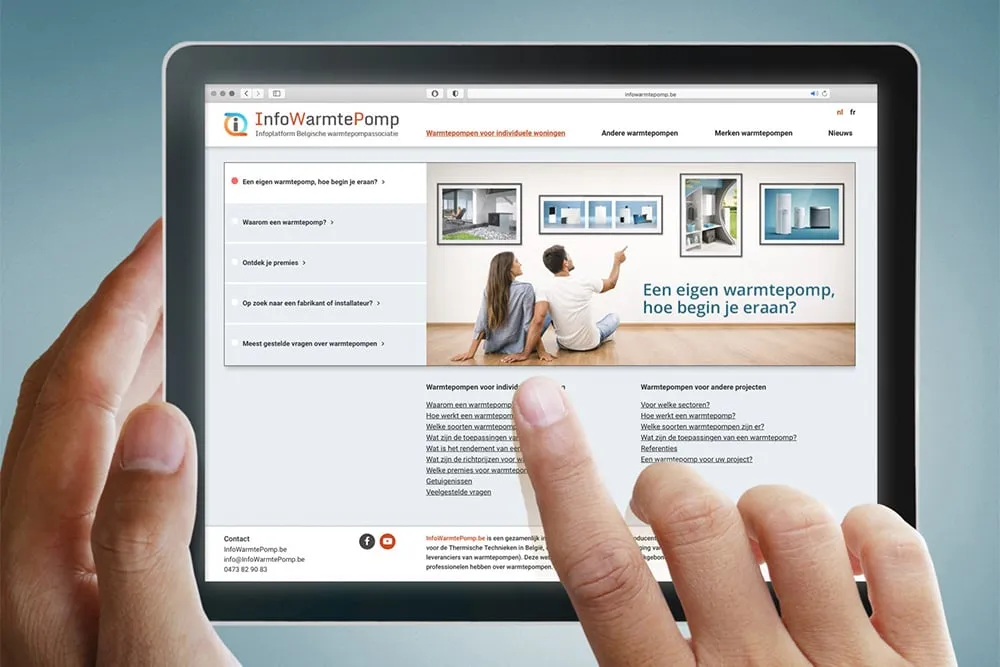
Find out more about heat pumps at www.InfoWarmtePomp.be.
At www.InfoWarmtePomp.be, a joint initiative by many Belgian heat pump manufacturers and distributors (members of ATTB, the Association for Thermal Techniques in Belgium, and FRIXIS, the Belgian Royal Association for Refrigeration and Air Conditioning), you’ll find the latest information, advice and prices.
Prices exclude VAT, accessories and installation, plus any heat-emission system, but also exclude grants.
Question about this story? Ask your question
Keep following this
Get an email when a new story is published. No account needed.
- ThemeFossil-free heating and cooling
- SubjectHeat pumps