1 in 2 Belgian homes are heat pump-ready, but end users are unaware
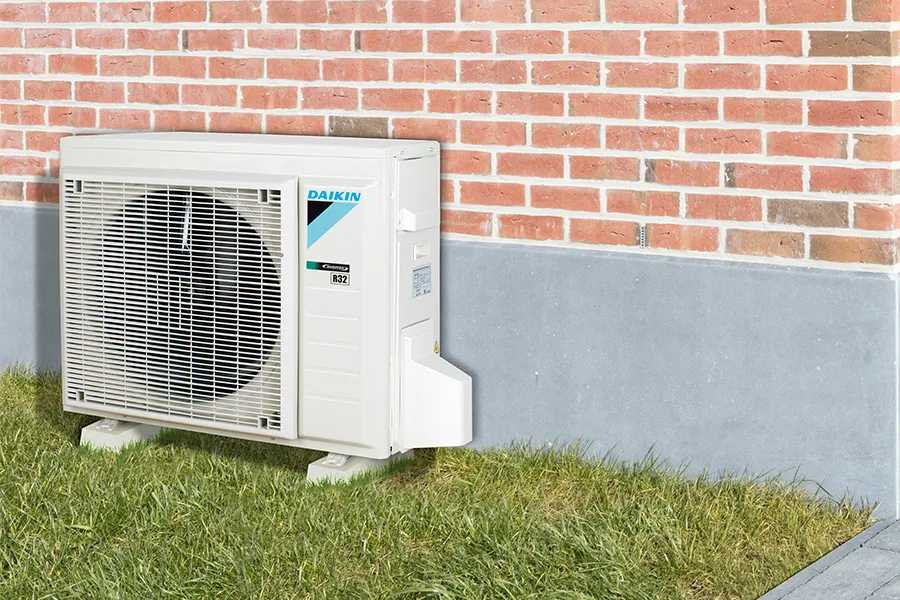
From the Daikin National Heating Survey, analysed by Eneco, Techlink and UGent
The energy crisis has caused considerable upheaval in recent years, and many Belgians have changed their heating habits. But where do Belgians stand today? Are they still considering sustainable solutions? Is Belgium’s housing stock ready for the energy transition? And what role does the heat pump play in this? For the second year running, Daikin commissioned iVox to conduct a National Heating Survey among Belgian homeowners. Luc De Smet of Daikin, Tom Defruyt of Eneco, Vincent Vancaeyzeele of Techlink and Sam Hamels of UGent discussed the findings in greater depth during a panel discussion. This led to some striking conclusions:
- 1 in 2 Belgians could heat their home with a heat pump without major work, but are unaware of it
- Almost 1 in 2 (44.4%) say they are unaware of the requirements for sustainable building and renovation
- Among respondents who are unsure about changing their heating system, 28% say it would be too expensive, 28% know little about heat pumps, and others have not yet considered it.
- 6 in 10 Belgians think the transition to renewable energy will accelerate further.
- Raising awareness and providing guidance from government, industry and the media are essential for a sustainable energy transition
- Flemish Minister for Energy Zuhal Demir: “This research shows the importance of making renovations easier and providing guidance”
Is Belgium’s housing stock ready for heat pumps?
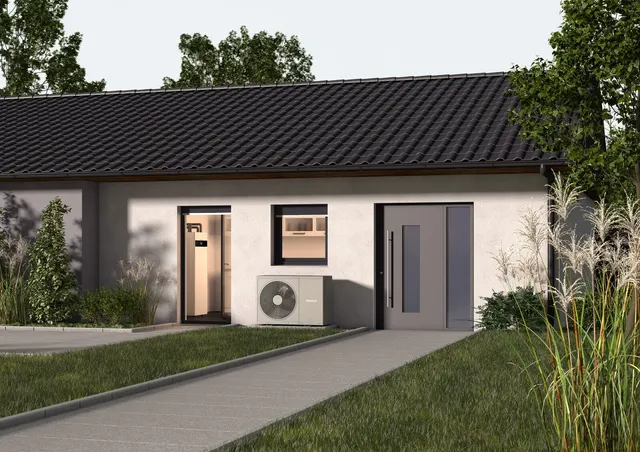
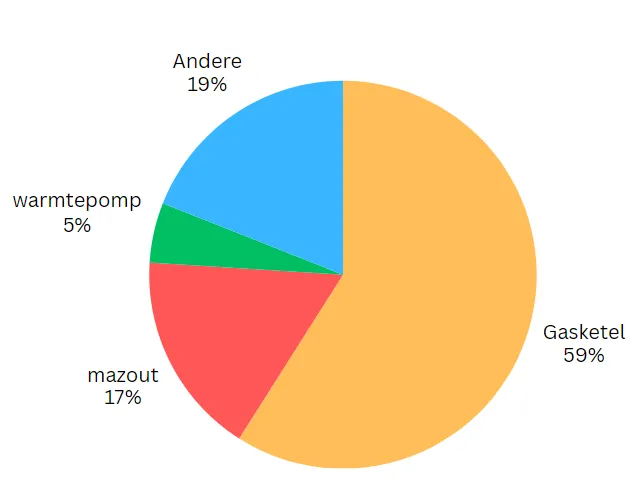
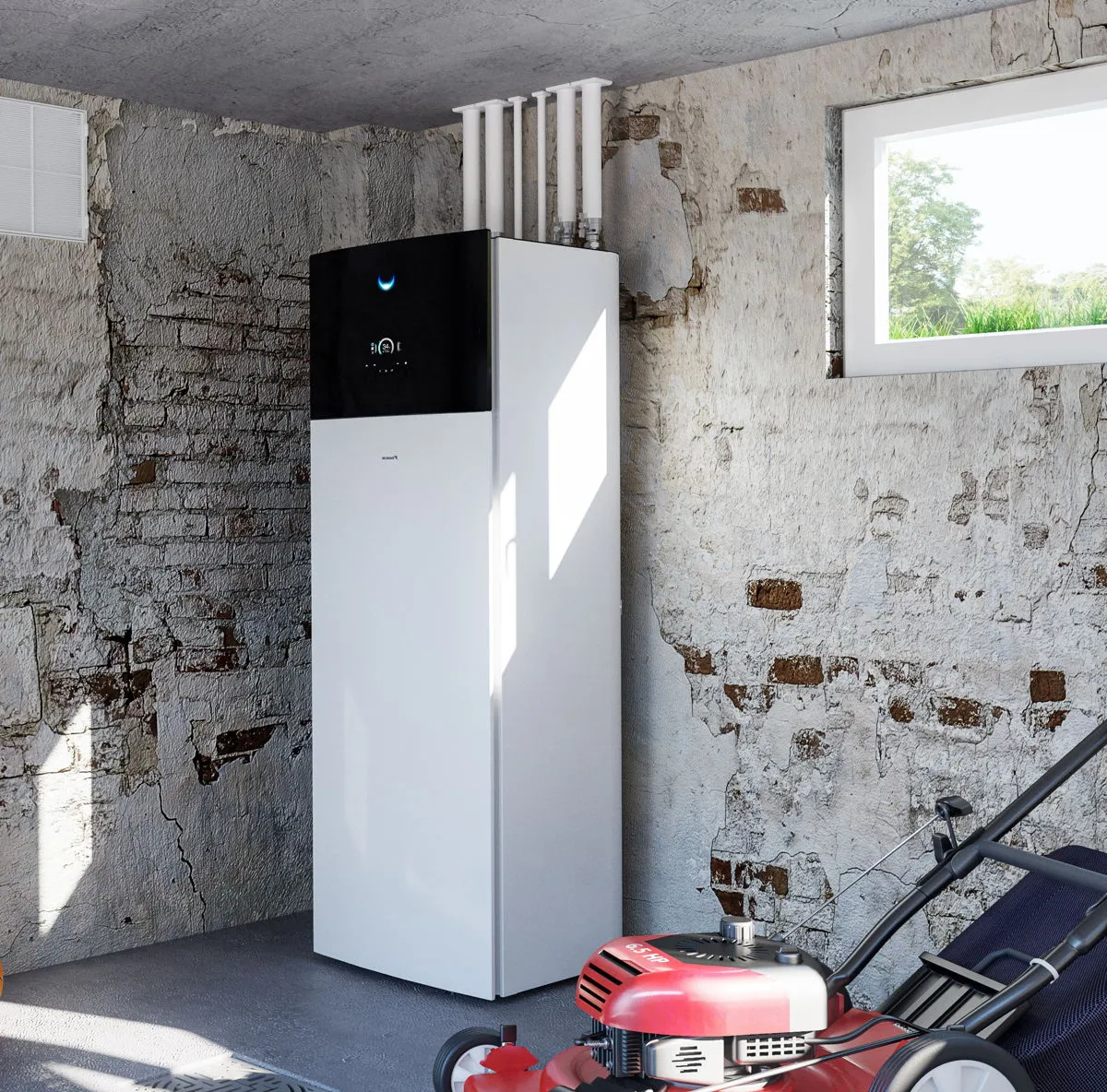
The survey found that around one in two homes is suitable for a heat pump, particularly homes with electric heating (95%) and, to a lesser extent, those with oil-fired heating (1 in 3). This also applies to homes currently heated by a gas boiler, which make up the majority of those surveyed.
Luc De Smet, Director Strategy & Innovation at Daikin, explains: “Although 1 in 4 newly installed central heating appliances is already a heat pump, the average Belgian is still unsure whether their own home is suitable for one1. When we look at floor area, estimated energy consumption and the reported level of insulation, our results show that around 1 in 2 homes is already ready”.
However, most of those who mainly heat their homes with gas say they do not know how much energy they use for heating. Of those who do know, 52% use less than 10,000kWh a year. “We always need to be cautious with self-reported data. In my view, actual consumption will be a little higher”, says Sam Hamels, Energy Economics Researcher at UGent.
Tom Defruyt, Innovation & VAS (Value Added Services) Manager at Eneco, explains further: “When we look at Eneco customers’ consumption data, we see that it broadly reflects the survey results. Roughly half of our customers use less than 15,000 kWh of gas for heating. We distinguish between gas consumption for heating and hot water, which is an important distinction. Accurately estimating heating demand is a crucial first step when switching to a heat pump.”
A heat pump reduces the amount of primary energy used. To make investment in a heat pump economically viable, account must be taken of reported consumption, the floor area of the home and the quality of its insulation. A VITO study also shows that, at current energy prices, a heat pump is cost-effective in homes with a heat demand of up to 70W/m², rising to 100W/m² for smaller homes 2.
Energy awareness and guidance are crucial to the transition
While the results show that many Belgians do not always know their energy consumption for heating, 59% say they are willing to invest in making their home energy-efficient and keeping it that way. “Energy renovation ranks third, after the kitchen and bathroom, even though installing a heat pump costs less than renovating a kitchen or bathroom and also makes the home future-proof”, says Luc De Smet.
Eneco also encourages its customers to take steps towards a greener future. “At Eneco, we want to be climate-neutral together with our customers by 2035, as set out in our One Planet Plan. Our biggest challenge as an energy supplier is gas consumption. Through the One Planet Plan, we encourage our customers to move away from fossil gas by 2035, and heat pumps are crucial to this. This is essential if we are to meet the Paris targets and tackle global warming. It is both necessary and achievable if we start switching to heat pumps now”, adds Tom Defruyt.
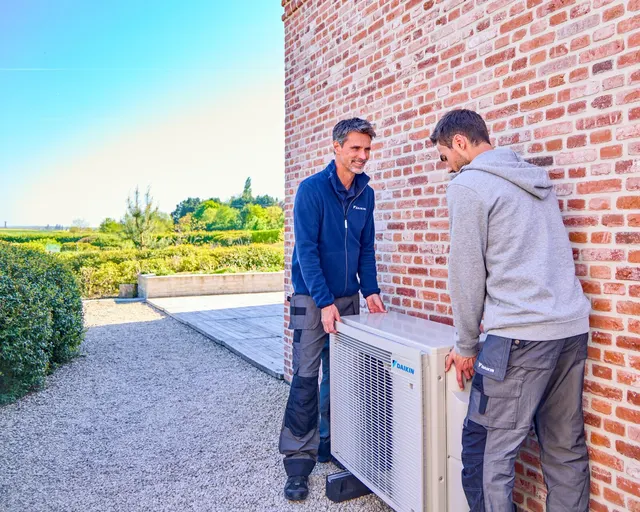
Almost 1 in 2 (44.4%) say they are unaware of the requirements for sustainable building and renovation. Installers and/or experts clearly have a key role to play in addressing this. Among Belgian homeowners who heat their homes with a heat pump, almost 1 in 3 (28%) say they installed this type of heating system on the recommendation of their installer.

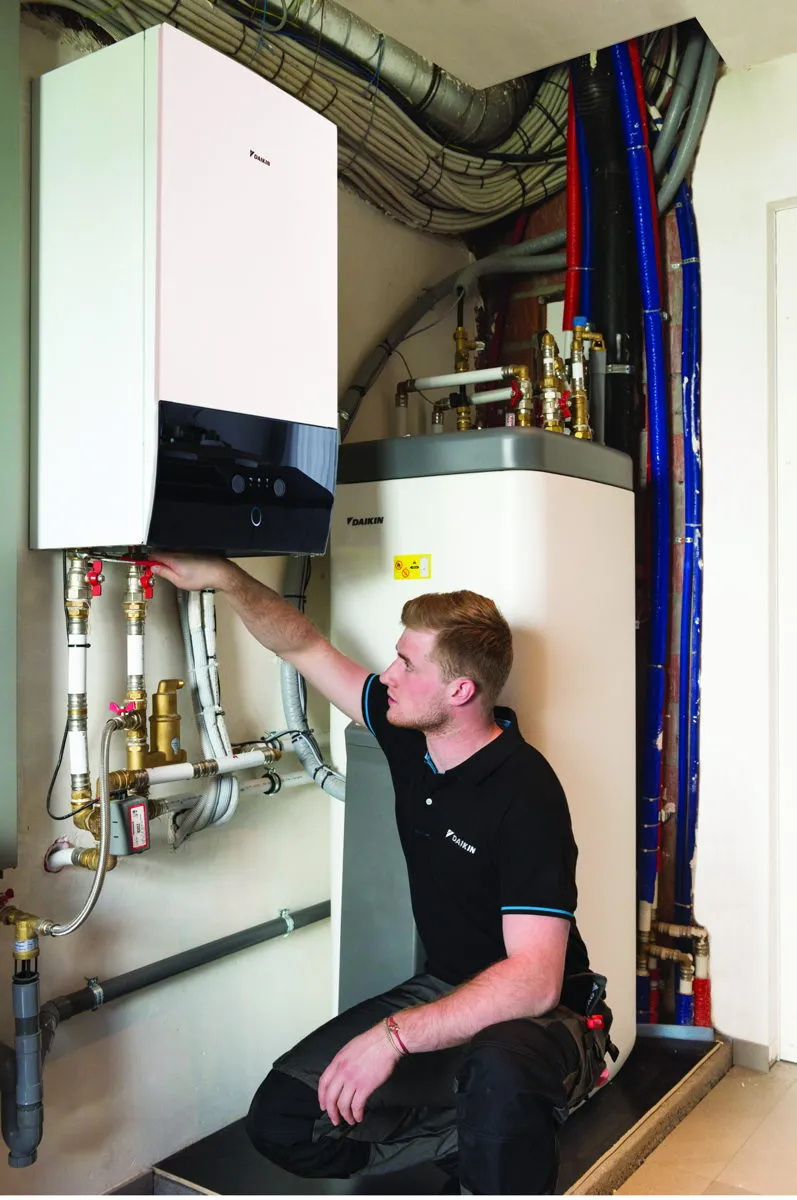
Vincent Vancaeyzeele, Technology & Innovation Manager at Techlink, outlines the situation from the installer’s perspective: “82% of our affiliated installers say they have experience installing heat pumps. Just over 1 in 3 of them have only started doing so recently, in the past 3 years. Among installers who say they do not yet install heat pumps, almost half say they would like to take training so they can get started. Many installers also say they have some reservations themselves. This reflects the doubts among end users. At Techlink, we are committed to continuing to inform, train and support our installers. For example, almost 1,000 installers took part in our information sessions over the past year.”
The survey clearly points to a need for guidance and information. “In Flanders, more is being invested in energy houses and energy coaches. The challenge now is to ensure that these advisers are properly trained and evaluated in good time, so we can see where further adjustments are needed. Many people still do not know that their home is in fact ready for a heat pump and that, as their boiler approaches the end of its service life, they can ask an installer to fit a heat pump”, emphasises Luc De Smet.
Flemish Minister for Energy Zuhal Demir: “This research shows the importance of making renovations easier and providing guidance. It proves that our long-term renovation strategy is focused on the right priorities. For example, we have increased the capacity of energy houses in Flanders with a substantial injection of funding. Funding rose from 4.9 million euros in 2021 to 23.7 million in 2023 and 29 million euros in 2024. At the same time, we launched MijnVerbouwBegeleiding, which will enable us to provide people with even better advice from 2024. A European study centre previously rated the Flemish renovation strategy as the second best in Europe. We will continue to evaluate it and make improvements wherever possible.”
Myths about heat pumps need to be dispelled
Despite the many benefits of heat pumps, half of Belgians still think they are only suitable for new-build homes. It is essential to correct these misconceptions and raise awareness of the potential of heat pumps in existing homes.
“Every transition brings uncertainty. We often feel unsure about switching to something we have no experience with. These doubts are often amplified and reinforced on social media. Alongside the media, government and manufacturers such as Daikin, it is also up to scientists like me to address misconceptions and debunk myths in public debate, so people can feel confident about taking sensible steps towards sustainability. One particularly striking result, despite all the efforts in this area, is that 1 in 2 Belgians still think heat pumps are only worthwhile in new-build homes. This is a complete myth. Many households have already upgraded their outdated heating systems, even before the inevitable tax shift that will have to come at some point” says Sam Hamels, Energy Economics Researcher at UGent.
“The transition towards 2050 is an abstract concept. We need to take action now, together with all stakeholders, and work towards 2030. The heating systems installed in the coming years will still be in place in 2050. For end users, this adds direct value to their home. Homes with a poor energy rating are worth considerably less. We can already see that many households have recognised that a heat pump is the sustainable long-term choice. This was also clear from the increase in sales over the past year. Heat pumps have become standard in new-build homes, and are now also gaining ground in renovation projects”, adds Luc De Smet.
Vincent Vancaeyzeele is keen to build on this: “Luc mentioned this earlier. A heat pump is the most energy-efficient solution. 1 kWh of electricity produces 3 to 5 kWh of heat in the home, whereas combustion produces a maximum of 0.9 kWh of heat for every kWh of energy supplied to the home. At present, this means that for half of homes, a heat pump costs no more to run than a fossil-fuel system, despite the high levies on electricity in Belgium”.
“Those high levies on electricity are really where Belgium’s problem lies”, responds Tom Defruyt. “For heat pumps to pay back within a reasonable timeframe, electricity and gas prices need to be in proportion, which is currently not the case and therefore does not encourage the switch to sustainable heating. In neighbouring countries, we are seeing the transition happen faster. So urgent action is needed on a tax shift. The figures show that homes are ready. Belgians are willing to make investments that pay off, but the government is still holding things back. Let’s reduce or shift levies on electricity to accelerate the energy transition.”


Looking ahead: smart technologies and flexibility in energy use
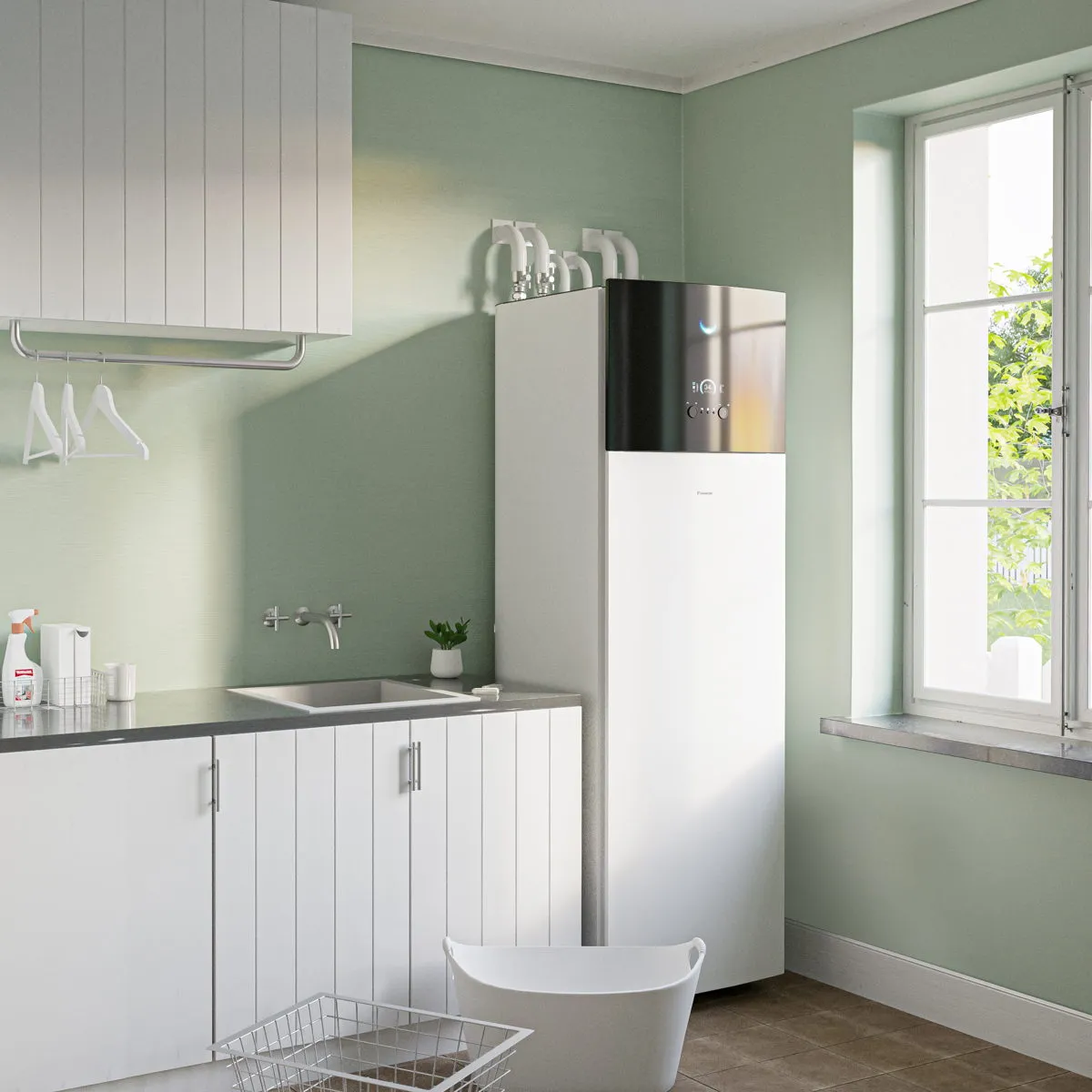
Homeowners and the industry are both optimistic about the future of renewable energy. Six in 10 Belgians believe the transition to renewable energy will accelerate. 52% of Belgians think we will store energy at home in the future, while 57% believe new technologies such as heat pumps will help match supply and demand more effectively. The stakeholders around the table also see benefits in smart technologies.
According to Sam Hamels, end users can best take advantage of hour-by-hour electricity prices, which the heat pump responds to automatically to benefit from the lowest rates: “The home and domestic hot water are heated automatically, with no effort required, in such a way that maximum use is made of the cheapest hours, when there is the most wind and sunshine. The heat pump’s electricity consumption is then not only much more favourable, but also much greener. An additional saving that requires no extra investment.”
Eneco also sees potential. “The dynamic tariff has recently been introduced in Belgium and could well become the tariff formula of the future. This is certainly the case for those who can manage their consumption intelligently, including private individuals with a heat pump. This means end users can benefit from the cheapest and greenest energy, even without their own solar panels,” adds Tom Defruyt.
The heating and energy sectors are fully committed to the energy transition and a greener future. It all comes down to providing information and guidance, and working together so that end users can embrace the transition without doubt or uncertainty. The Belgian government certainly has a role to play in raising awareness and providing the necessary tools. Belgian homes are ready, and the sector is ready. What are we waiting for?




Watch the full panel discussion here.
1 Source: communication from frixis, attb: 1 in 4 heat generators installed is a heat pump, InfoWarmtePomp
1 Source: VITO study, VEKA_hybride_WP_eindrapport_age3zr.pdf (vlaanderen.be)
Een zakelijke vraag aan Daikin Europe? Get in touch
Companies in this story
Keep following this
Get an email when a new story is published. No account needed.
- ThemeFossil-free heating and cooling
- SubjectHeat pumps
- CompanyDaikin Europe