Understanding your electrical installations
Text Valérie CouplezImage fortop
Society is electrifying at a rapid pace. In doing so, we aim to move away from fossil fuels and meet our climate targets. That is welcome news, but there is another side to the coin. In a world of decentralised energy production, renewable energy sources, batteries … how can we ensure the quality and reliability of electricity? This is an issue that not only grid operators but also production managers need to address. By keeping an eye on your electricity supply and its quality, you can ensure continuity of production. How? By measuring and monitoring. This is an area in which Janitza products, distributed by fortop, excel.
We will all be putting greater demands on our electrical installations, both at home and at work. Whether you invest in an electric car or switch your steam production to electric power, more electrical capacity will be needed. And that power will increasingly flow in both directions, while also becoming more polluted by electronic devices.
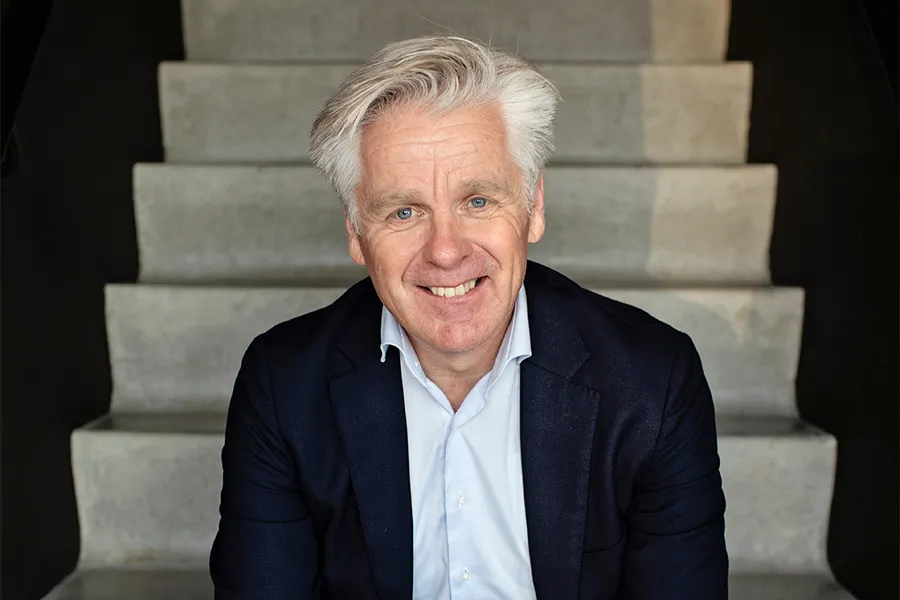
“Capacity shortages or problems with power quality can, in the worst case, lead to a complete outage, but will inevitably cause unnecessary energy losses and maintenance costs,” warns fortop director Harmen Sikkema. “Things are becoming more complex. On top of that, there is more regulation, we need to make greater savings and uptime requirements are rising. Technical expertise is therefore crucial, but harder to find. As a result, many industrial companies remain unaware of what is happening in their electrical installations.”
Measure, monitor and improve four aspects of management
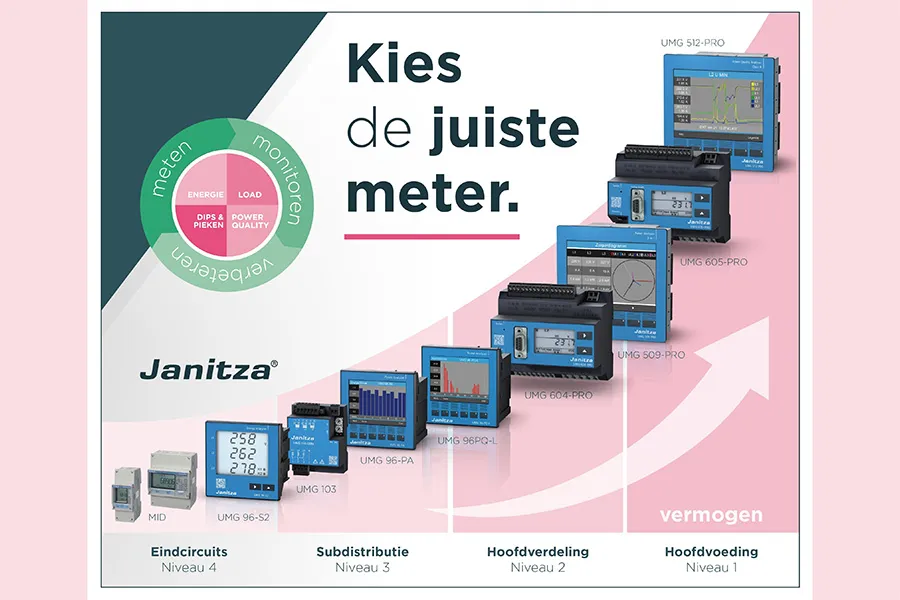
That is why fortop is working with a university of applied sciences in the Netherlands to write a textbook on grid optimisation and help ensure that knowledge is better retained. The starting point is the four aspects of electricity management. Sikkema: “These are capacity, quality, energy efficiency and uptime. Based on these, you can determine exactly what your installation needs. Measurement provides the facts and forms the basis. Power analysers can map all the parameters that affect these four aspects. Monitoring tells you what you are measuring. The data collected are then turned into insights using analysis tools, notifications and reports. And that leads to improvements, whether by modifying or extending the installation or by using UPSs, voltage and stabilisation systems, or active harmonic filter systems.”
Smarter grids, but what about your machines?
This is an ongoing process that will only become more important. “The grids are becoming smarter, but industry also needs to know what is happening within its own factory walls. The closer installations operate to their maximum capacity, the more problems will arise. It is like driving a car constantly at 200 km/h. It takes its toll. You really need to understand your machines, what they consume and where there is room for optimisation,” says Sikkema.
This process also requires reliable equipment. fortop is firmly committed to the quality of German market leader Janitza. “Energy measurement and monitoring is their core business. Their sharp focus sets them apart in terms of expertise and the quality that goes with it. They offer a very broad product range, from large to small, from main distribution to end users. What’s more, the meters have an integrated web interface that performs an initial analysis of the data, without the need for additional software. So they provide an excellent starting point for beginning the cycle of measuring, monitoring and improving.”
Een zakelijke vraag aan fortop automation & energy control? Get in touch
Companies in this story

Keep following this
Get an email when a new story is published. No account needed.
- SubjectElektroTech
- Companyfortop automation & energy control