The energy transition in the public property sector: a unique opportunity
Text and images VEB
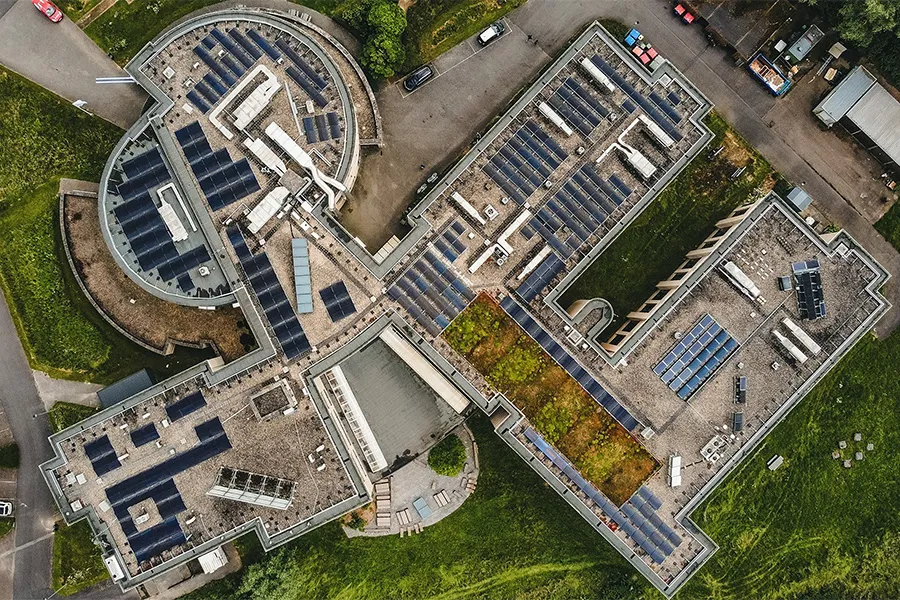
Property accounts for a significant share of energy consumption and CO2 emissions. This means action in this area is essential to secure a sustainable future. The energy transition in the property sector gives the public sector a unique opportunity to adapt public buildings to future requirements. Alongside its challenges, this process also offers exciting opportunities for both the staff of these organisations and the organisations themselves, as well as society as a whole.
As a key partner to the public sector, VEB plays a crucial role in this transition. It not only offers solutions, but also guides organisations through a process that enables them to save costs in the long term and reduce their environmental footprint. The results are better, more energy-efficient buildings with greater comfort and a healthier indoor climate. This leads to more motivated staff who take less sick leave. It also increases the value of the property. Energy bills fall, so rising energy prices no longer disrupt financial planning. In addition, this transition process prompts organisations to reflect on their role in society and on how their staff work and live within the organisation.
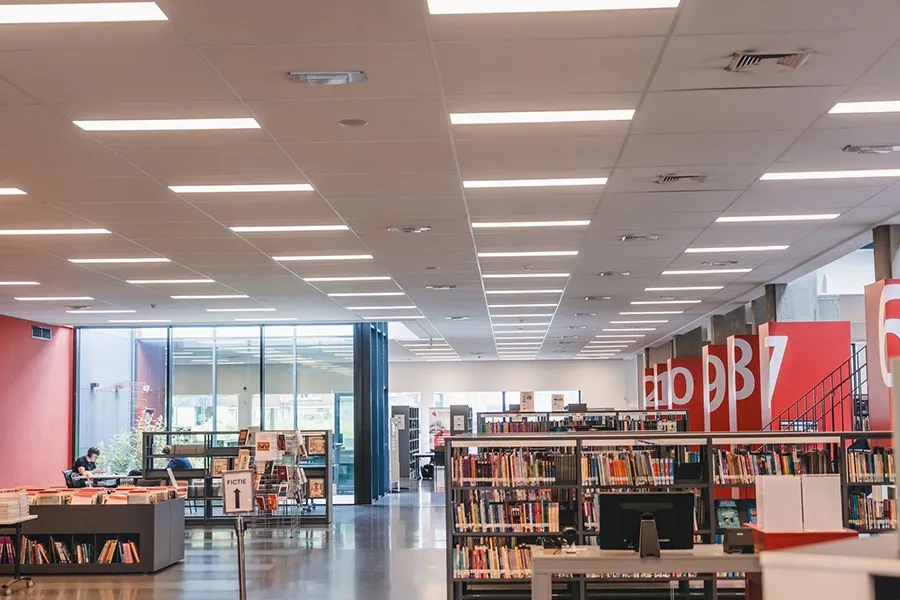
Five steps towards sustainability
The five steps offered by VEB, from raising awareness to implementation, provide a structured approach to making buildings more energy-efficient and climate-friendly. One of the main opportunities in the energy transition is to integrate energy generation and energy saving into property. The large-scale use of renewable energy sources such as solar panels and heat pumps, combined with phasing out fossil fuels such as natural gas, can help cut energy costs and benefit the environment. Together with energy-saving measures such as insulation and improved windows and doors, this forms VEB’s 360° approach. VEB bases this on detailed data from Terra, the Property and Energy Database. This makes it possible to analyse buildings holistically and provide tailored solutions.
Working with VEB also offers significant benefits in terms of efficiency and expertise. By using the framework agreements, organisations save considerable time and resources because VEB handles the tendering process. VEB also provides access to more than one hundred experts specialising in energy and property. This means organisations, whatever their size or complexity, can count on expert guidance and support, significantly increasing the chances of successful implementation.
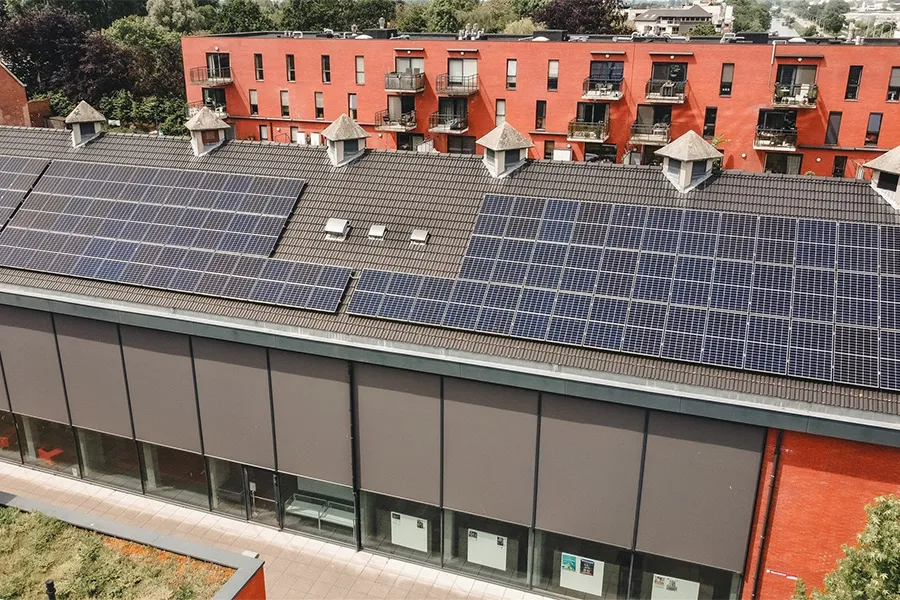
The economic benefits of energy-saving technologies
Another important aspect is the economies of scale offered by VEB. By working with a major player such as VEB, public organisations gain access to competitive prices for green energy and sustainable building solutions. Supplying 100% locally generated green electricity and using energy-saving technologies can help the organisation meet its environmental objectives and improve its financial wellbeing.
As an externally autonomous agency of the Flemish Government, VEB combines the clout of a market player with the reliability of a government body. This means public organisations can count on a trusted partner to deliver the energy transition and contribute to a more sustainable future. This collaboration enables the public sector to take a leading role in the fight against climate change.
Question about this story? Ask your question
Keep following this
Get an email when a new story is published. No account needed.
- SubjectElektroTech