Noorderhart secures uninterrupted power supply
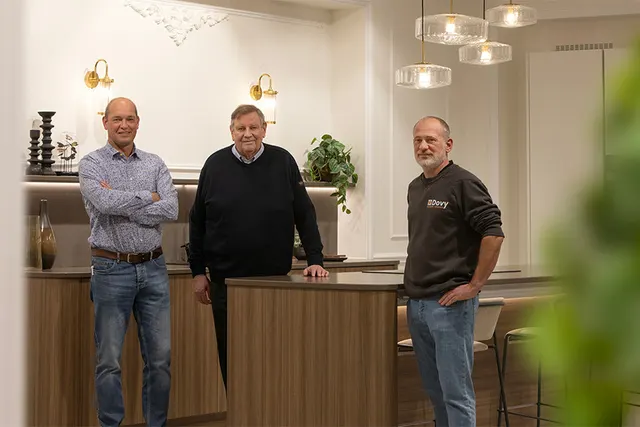
It is no longer news that E. VAN WINGEN NV (EVW) of Evergem (B) is responsible for ensuring continuity of power supply at the majority of hospitals in Flanders.
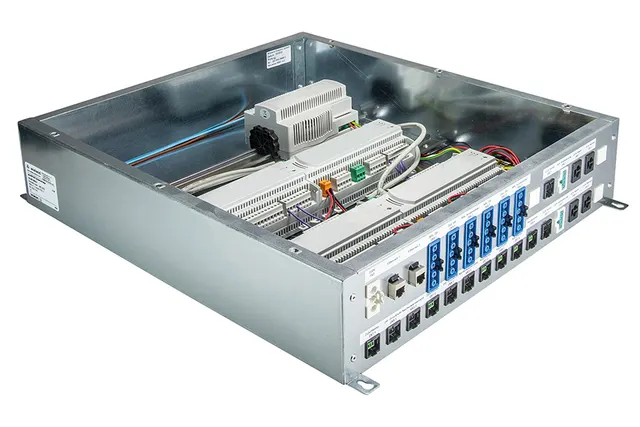
What is news is that another user has recently joined the list of satisfied customers: Noorderhart, the umbrella organisation for Mariaziekenhuis and Revalidatie & MS Centrum in Pelt, Limburg. The 1,000 kVA emergency generator, which meets the highest quality standards, has now been delivered and will soon be commissioned. As usual, this delivery comes with a maintenance agreement, giving the user a long-term partnership with EVW to keep the emergency power supply ready for operation and in good condition.
Words and images E. Van Wingen NV
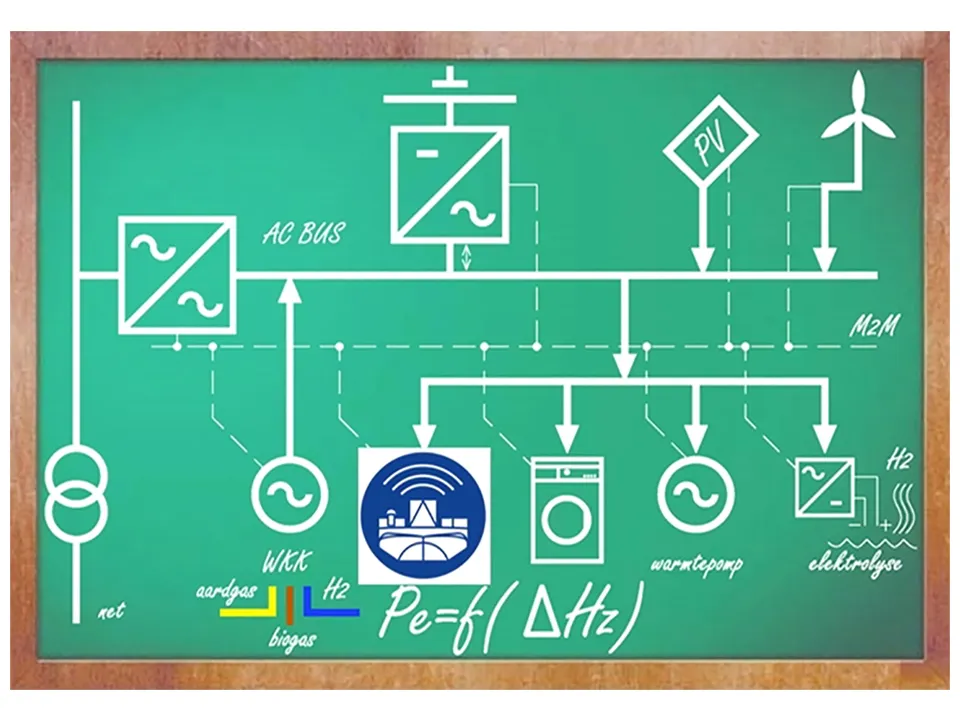
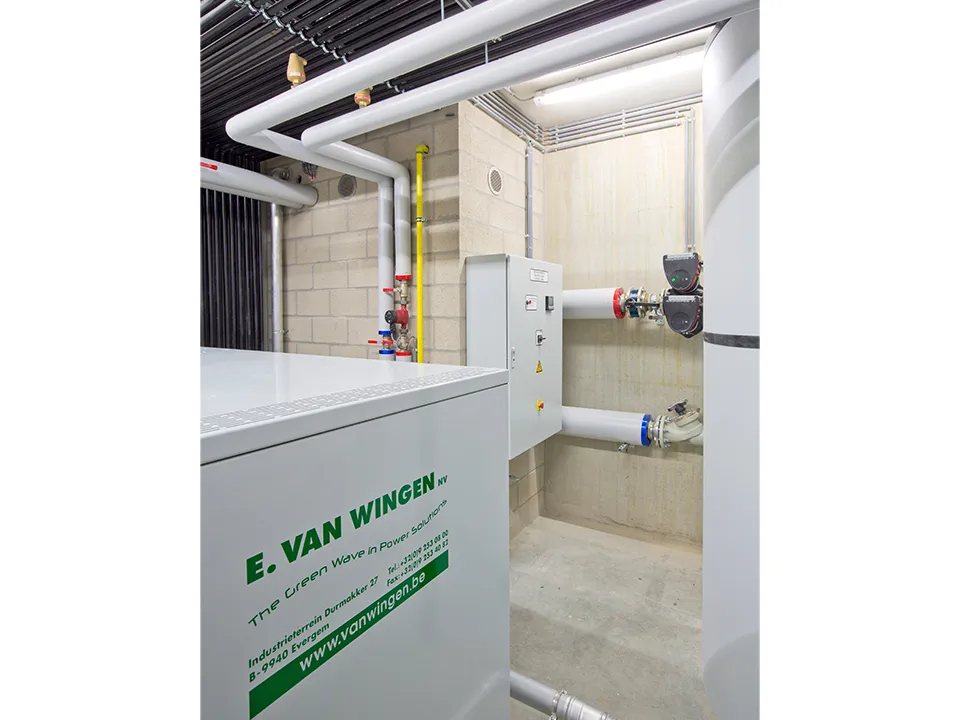
Emergency power supplies are sometimes associated with harmful emissions. EVW is aware of this too and is working hard on alternatives. Innovation is a priority for the company. Since installing its first combined heat and power (CHP) system in 1992, it has completed a comprehensive roadmap: from reducing CO2 through greater energy efficiency, via CO2-neutral solutions, to zero grams of CO2. It began with decentralised generation systems using CHP, fuelled by natural gas and then biogas, and more recently hydrogen. The H2 CHP system, developed in collaboration with UGent, has now passed its endurance test and is ready to be rolled out to the market. This makes EVW once again a pioneer in the transition to 100% renewable energy. It is worth noting that EVW’s CHP systems are designed, manufactured and serviced in Flanders, underlining the contribution this innovation makes to the sustainability of the local economy.
Emergency power solutions using H2
Since using H2 in CHP systems may be more straightforward than in emergency power systems, EVW is also developing H2 emergency power solutions. Meanwhile, developers seeking sustainable energy solutions are approaching the company. Together with EVW, they are exploring the new energy landscape. This Flemish SME is confident that zero-CO2 solutions will soon make their breakthrough.
Threat of a blackout
Developments in the electricity grid also highlight another important issue: as the share of renewable energy in power generation increases, fortunately, it could lead to grid congestion if all alternative generation is fed into the grid at once. This could happen, for example, on a sunny or stormy day. Generation facilities must therefore meet strict requirements set by Synergrid in Belgium, as well as by similar bodies in other countries. In a proactive response to the threat of blackouts, Elia contracts aggregators to help safeguard grid balance and security of supply. Flexibility service providers such as aggregators can already take part in calls for a number of reserve products offered by grid operator Elia, including R3 (manual Frequency Restoration Reserve), R1 (Frequency Containment Reserve) and SDR (Strategic Demand Reserve). Aggregators can also offer commercial services directly to grid users, suppliers or balance responsible parties. Aggregators contract owners of emergency power generation facilities to make their installations available as reserve units. In practice, this results in very few operating hours, but can still offer an attractive financial opportunity. This is, of course, subject to technical requirements. Understandably, only Synergrid-approved generation units can be connected to the grid as reserve units. E. Van Wingen NV has this approval, with final homologation Synergrid C10/26.
Unmanned electric vessels with no CO2 emissions or noise
EVW is also making its mark at European level. As an SME in the Ghent Canal Zone, the company is a technical partner in AVATAR, the European Interreg project that recently got under way and runs until 2023. The project focuses on unmanned electric vessels that will help reduce traffic in modern city centres without producing CO2 emissions or noise pollution. As part of one of AVATAR’s work packages, potential use cases are being developed by knowledge institutions including TU Delft, Universiteit Oldenburg, KU Leuven and OC Hout&Bouw, as well as other partners such as Logistics Initiative Hamburg and E. VAN WINGEN NV, under the leadership of POM Oost-Vlaanderen. One use case involves storing green electricity generated locally from solar or wind power as hydrogen during the day. Combine this with electric-powered urban distribution vessels and the result could be very interesting. At night, an H2 CHP system converts the hydrogen back into electricity, which the vessels use to charge their batteries. Charging takes place on the outskirts of the city centre, in areas with residential neighbourhoods or buildings, such as Dok Noord in Ghent and port buildings. As the vessels charge at the ICE CHP system, heat is generated. This heat is then put to use to support the heating system of, for example, an SME. In practice, the heat could also be fed into a district heating network. As a result, virtually none of the energy in the electricity and heat generated from green hydrogen is lost. The benefits of the project include high efficiency, reduced heat losses, avoiding grid congestion and cutting road transport. The fact that the solution is being developed in Flanders also clearly benefits local employment.
Are you working on a use case that aligns with AVATAR’s objectives? If so, do not hesitate to contact one of the partners.
Question about this story? Ask your question
Keep following this
Get an email when a new story is published. No account needed.
- SubjectElektroTech