New rules make intelligent building technology inevitable
Text Piet AndriesImage Pexels
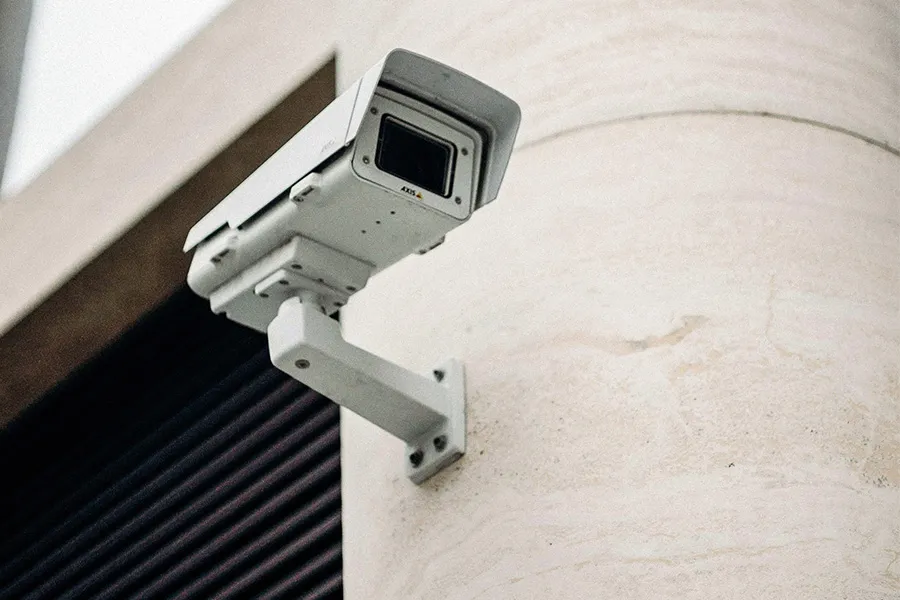
Buildings are facing a far-reaching digital transformation, with consumption, healthier spaces and predictive management setting the agenda. This transition is driven not only by rapid and increasingly affordable developments in the Internet of Things (IoT), artificial intelligence (AI) and other connected building technologies, but above all by binding legislation coming into force at the end of this year. Inevitably, liability is also part of the picture.
With a series of new rules and indicators, the European Commission is strongly promoting the digitalisation and automation of the built environment. The reason behind this policy? Smart buildings not only save energy, but are also better equipped to withstand digital threats.
At the heart of this strategy is the Smart Readiness Indicator (SRI), an assessment tool that has been part of the revised European Energy Performance of Buildings Directive (EPBD) since 2018. The SRI assesses how well a building is equipped to adapt to the needs of its residents or users and the energy grid, without compromising performance or convenience. To do so, the indicator examines nine technical domains, including heating, ventilation, cooling, lighting and electricity management, and assesses them against seven criteria such as energy consumption, flexibility and ease of use.

Mandatory from the end of this year
The SRI is currently voluntary, but is intended to encourage owners and investors to take action. Those who can use objective figures to demonstrate how smart and energy-efficient their building is have an advantage in the property market. The European Commission hopes the label will further drive technological innovation while also contributing to climate targets. With buildings accounting for 40% of energy consumption and 36% of CO2 emissions in the EU, there is still considerable scope for improvement.
However, by 31 December 2025 at the latest, this ambition will also become a legal requirement in Flanders (Article 11.1/1.2 of the Energy Decree). Large non-residential buildings, such as offices and hospitals, will then have to be equipped with a control system that automatically measures, manages and optimises their energy consumption. The rules apply to buildings with heating or cooling systems rated above 290 kilowatts.
In 2029, the threshold will drop to 70 kilowatts, significantly widening the scope for smart building technology. It is gradually becoming the norm, as the government allows no exceptions.

28,000 sensors
Technology therefore plays the leading role in this transformation. High-tech sensors, ranging from motion sensors to temperature sensors, and intelligent control systems enable buildings to adjust their heating, ventilation and lighting to how they are used and occupied. Well-known examples include the EnergyVille 1 building in Genk, a pilot project in collaboration with VITO, and, across the national border, the The Edge office building in Amsterdam. In the latter, already in use, 28,000 sensors control the operation of all building systems in real time. As a result, the office uses 70% less energy than comparable infrastructure.
Smart buildings fall into three levels of ‘smartification’. At entry level, this means basic connectivity, such as heating or lighting connected individually to a building management system. The intermediate level allows for greater integration, with control based on data collected by sensors. At the highest level, all systems work together across domains and make autonomous decisions using AI. Progress towards this advanced level is gradual. But it does raise questions. What about critical systems such as security cameras, access control or smart lifts? These will need to rely on edge computing to minimise latency. Data is then processed locally, making systems less dependent on the central control unit and internet connectivity.
Hacking is also one reason why, alongside energy performance, wellbeing and comfort, Europe is placing a strong emphasis on cybersecurity. The Cyber Resilience Act, which comes into force in October 2027, is intended to ensure that smart devices and software in buildings are secure by design from the outset. In addition, the NIS2 Directive requires large and medium-sized organisations to conduct risk analyses, report incidents within 24 hours and ensure continuity of their services, even in the event of digital attacks. Notably, management can be held personally liable for breaches.
Belgium is one of the first countries to have fully transposed the NIS2 Directive into national law. Suppliers, too, will need to take into account that they may share responsibility for the digital resilience of our buildings and infrastructure.
Question about this story? Ask your question
Keep following this
Get an email when a new story is published. No account needed.
- ThemeThe installer of tomorrow
- SubjectElektroTech