More personal and greener
We all agree on the importance of good lighting in and around a building. A room, home or other building can be beautifully and functionally designed, but add poor or inadequate lighting and it loses its lustre. But the pace of evolution in the lighting sector shows no sign of slowing. What are the prospects today, in terms of design as well as engineering and technology?
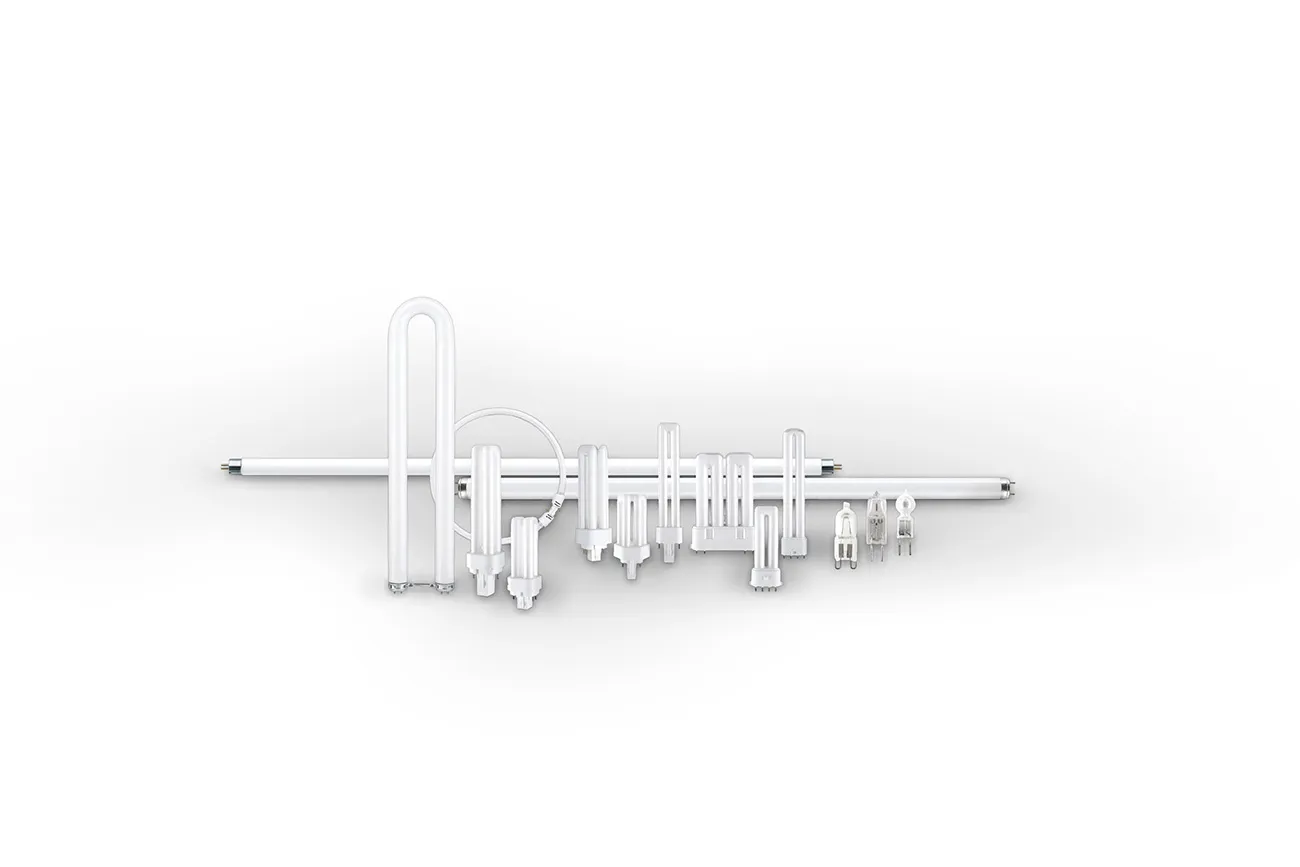
It goes without saying that energy efficiency has become crucial. The high energy prices we face today, whether still rising or levelling off, are further proof that we need to look at the energy consumption of all our household appliances, and at the potential for saving energy through lighting. This is, of course, a trend that has been under way for some time, particularly with the phase-out of energy-guzzling lamps. As you will no doubt know, we said goodbye to the incandescent bulb some time ago, and fluorescent lighting is next. From September 2023, for example, the familiar T8 lamp will be phased out, having made a significant contribution to modern lighting. But there is no need to worry: LED lighting has been on the market for more than 15 years, and innovation continues apace, so there is certainly a worthy LED alternative available. Be sure to ask one of the many lighting specialists in our country for advice. You will gain valuable expertise, as well as a good lighting design.
Sustainable lighting
When we talk about today’s hot topics, sustainability immediately comes to the fore. Everything related to sustainability, circularity and green thinking is gaining importance. We are also seeing various new business models offering light and lighting ‘as a service’. What’s more, at ETAP we are seeing the cautious introduction of Circular Light as a Service. That’s right: taking care of everything from the initial design right through to circular reuse at the end of the product’s life. On the one hand, this provides LED lighting tailored to the employees of a particular company, while freeing up the company’s investment budget for other projects. On the other, it guarantees that, at the end of the process, all components will be collected and reused in the right way.
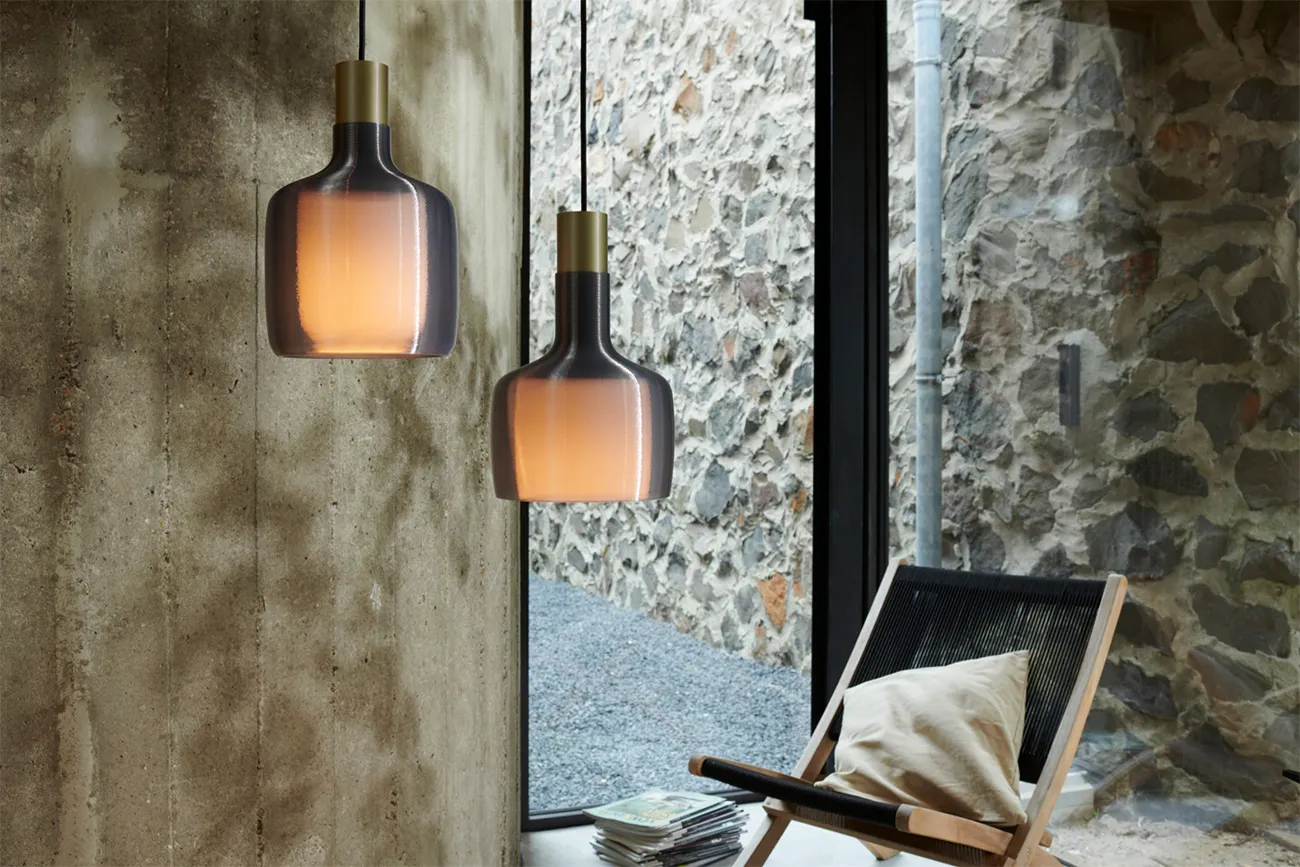
Also worth mentioning is Signify’s service, which allows customers to design or customise their own luminaires. At its old factory in Turnhout, the manufacturer then 3D-prints the design to deliver a quality product. “It saves time, energy costs, production waste, packaging and transport,” the manufacturer says. “It also opens the door to more innovative designs and more complex shapes and colours. And all our luminaires are recyclable, fully in line with the circular economy.”
Hybrid designs
Of course, looks matter too, and we continue to have high expectations when it comes to luminaire design. Signify’s 3D printing puts the reins in the hands of the end user, but that option is not for everyone.
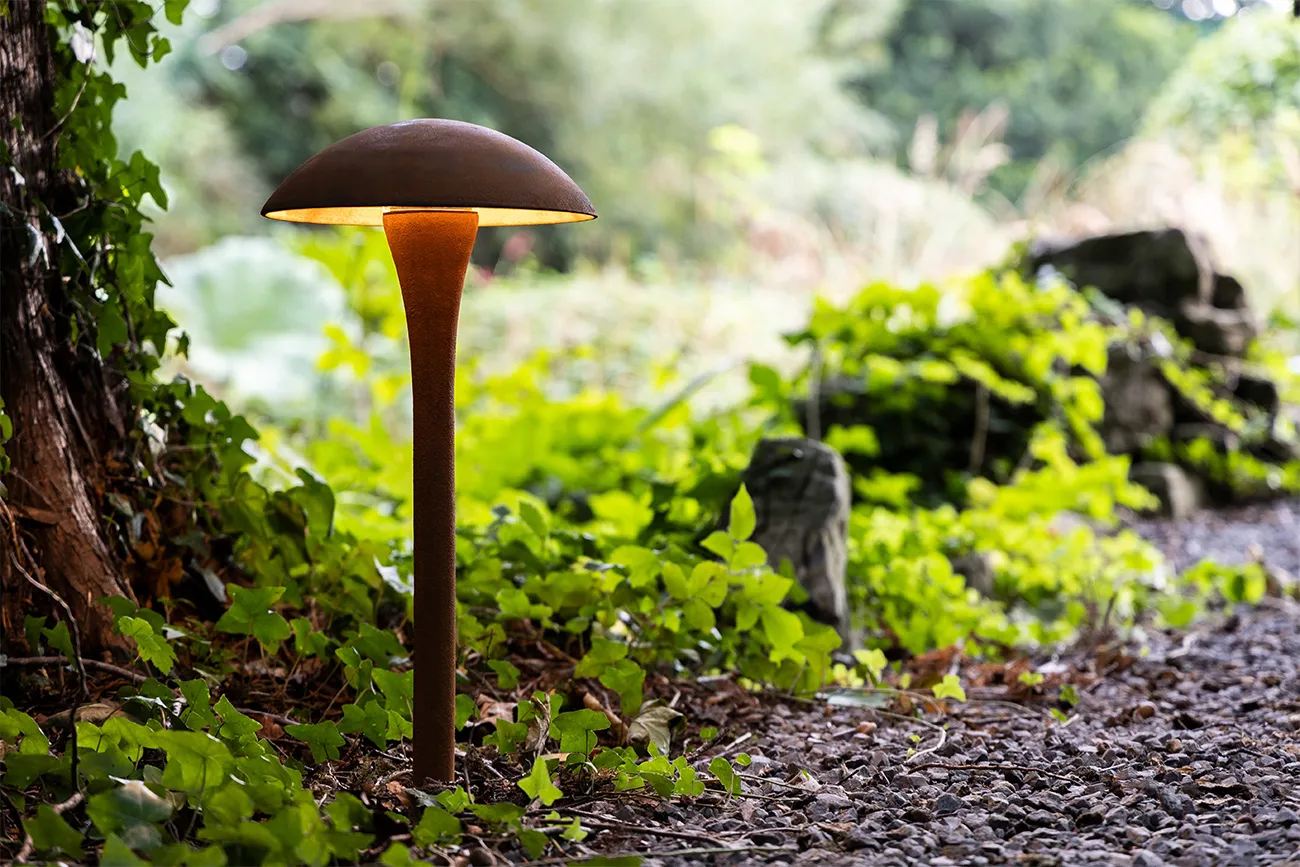
Fortunately, many renowned designers continue to pull out all the stops to offer us the most beautiful, elegant and organic designs, right through to the psychedelic, working with a huge range of manufacturers at home and abroad. Lighting trends also show that we all like to make a statement with something unique. Customisable luminaires, tailored to personal preferences and/or to an individual’s interior or exterior, are ready to meet that demand. Think, for example, of luminaires whose lampshades are available in a range of covering options. And the luminaires that seek to satisfy our yearning for nature show that things can be a little ‘wilder’. A garden path with playful mushroom-shaped ground lights, which, appropriately enough, is also the name of the little device.
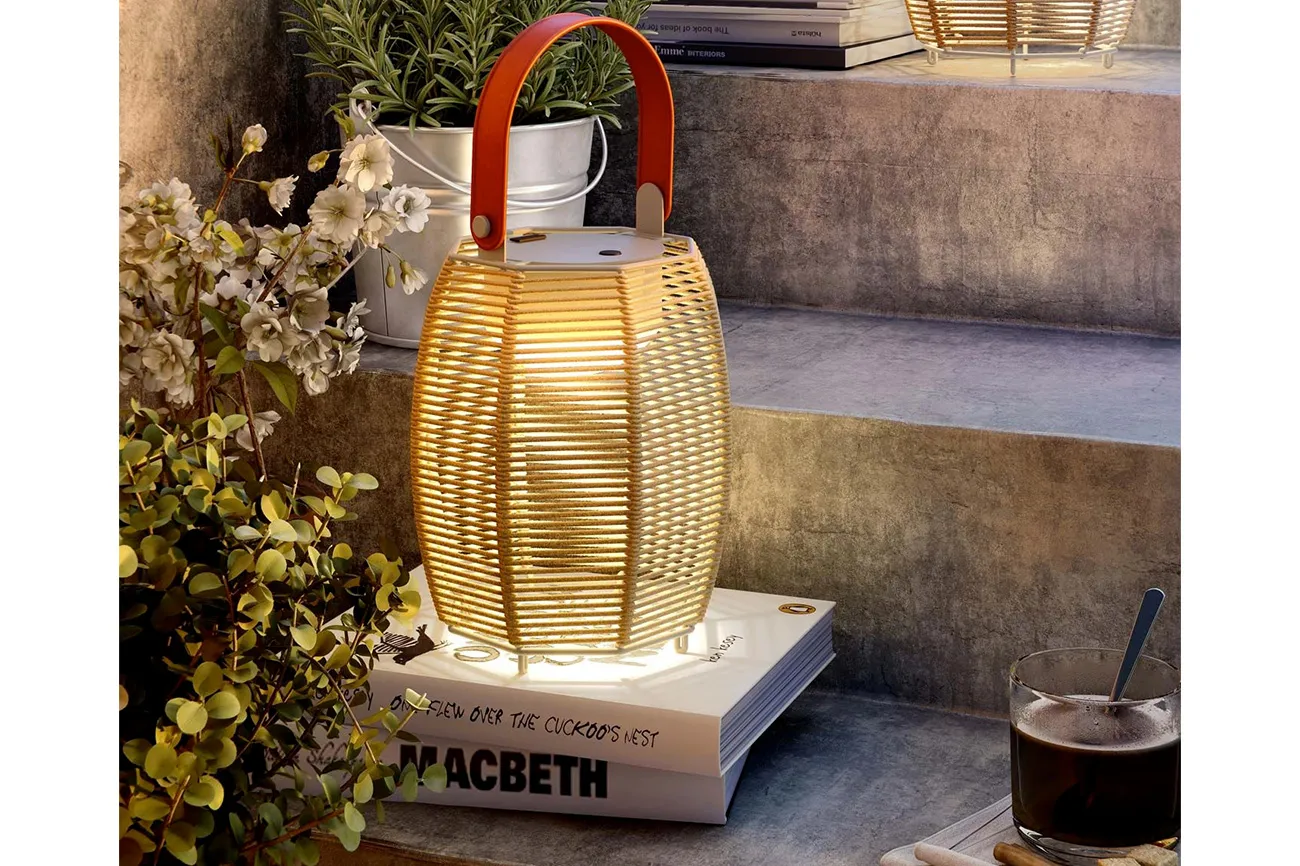
Another striking trend is the blurring of the boundary between indoors and outdoors. The pandemic taught us that our own home should be a safe haven where we can escape the rat race outside at any time. Naturally, we want to shape it so that we can enjoy it throughout all four seasons. Indoor and outdoor spaces are therefore equally important, and this is reflected in the design of lighting fixtures. The distinction between them is becoming less and less pronounced. We want the same design indoors as outdoors. What’s more, we simply take our portable luminaires with us, inside or out. All this, of course, without losing sight of lighting quality.
Question about this story? Ask your question
Keep following this
Get an email when a new story is published. No account needed.
- ThemeSmart building integration
- SubjectElektroTech