Lower construction costs with a plug-and-play electrical installation system for prefabricated homes
Text Wouter PolspoelImage Wieland Electric
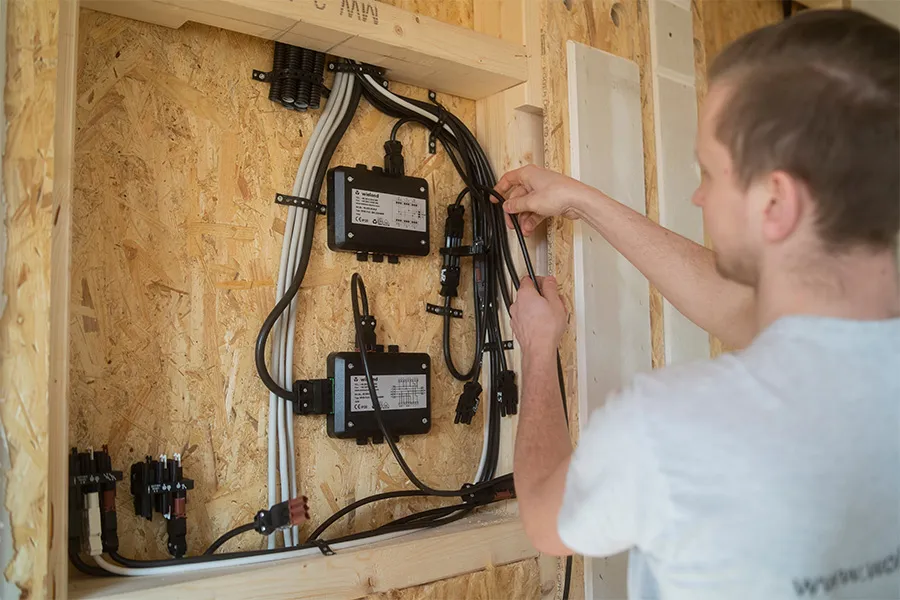
A shortage of skilled workers and growing demand for affordable homes are forcing the construction sector to find innovative ways to save time on site. Offsite construction is one such solution: manufacturing buildings, or modular building components, in a factory reduces the need for specialist labour on site and shortens construction times. The shorter build times, combined with the greater standardisation of offsite construction, mean lower costs for the end customer. With Wieland PREFAB, Wieland Electric recently unveiled an innovation that also allows the electrical installations in prefabricated buildings to be integrated at the factory. The modular plug-and-play system cuts on-site installation time for building services by 70% and reduces construction costs by 30% through lower labour requirements.
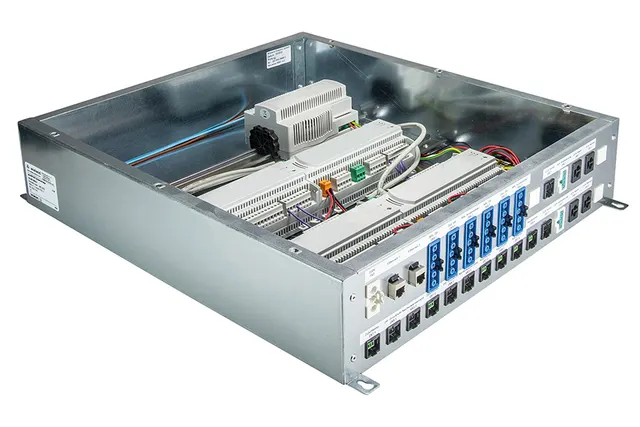
With Wieland PREFAB, Wieland Electric, the market leader in pluggable building installation technology and active in Belgium through its subsidiary ATEM, supplies a complete modular system that integrates the electrical infrastructure into prefabricated buildings at the factory. If the building is prefabricated in separate modules that are joined together on site, as is usually the case, the pre-installed cables, distribution boards, switches and sockets, which can all be installed without tools, simply need to be connected on site using Wieland Electric’s GESIS connector system. The system consists of two types of plug, cables and distributors.
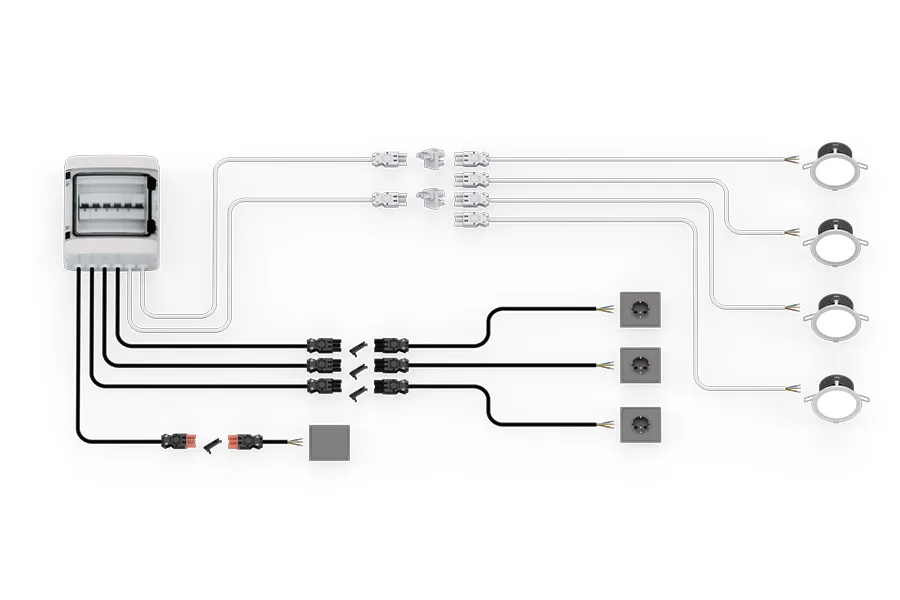
Suitable for prefabricated buildings in both timber and steel
As electrical wiring no longer needs to be carried out on site, the risk of errors is eliminated, helping to save time and costs. According to Wieland Electric, the system can cut the time required to install electrical services in a prefabricated home by 70% and reduce construction costs by 30% through lower labour requirements.
The system is suitable for prefabricated buildings made from timber, steel or a combination of both. It has already been used in various types of project, including container homes and modular prefabricated office buildings.
Digital support included
Wieland Electric offers Wieland PREFAB with accompanying digital support. Designers can use 3D planning tools and BIM integration to model electrical installations efficiently from the design stage onwards. This not only shortens the design phase, but also makes it easier to modify the electrical installation, thereby preventing errors on site.
Reusable
Wieland PREFAB benefits the environment as well as contractors, electricians and clients. The plug-and-play system can be easily dismantled and reused in another prefabricated building. This helps save natural resources and reduce the CO2 emissions generated by producing new materials, contributing to a more circular construction sector.
Meeting a range of challenges
In summary, Wieland PREFAB is an innovative solution from Wieland Electric that addresses the challenges facing the construction sector today: a shortage of skilled workers, time pressures, high construction costs and the resulting rise in demand for affordable housing, as well as pressure to significantly reduce the sector’s environmental impact in the form of natural resource depletion and CO2 emissions.
Question about this story? Ask your question
Keep following this
Get an email when a new story is published. No account needed.
- SubjectElektroTech