How to use energy more intelligently
Under the new rules for smart digital meters, homeowners have many questions about how to use the energy generated by their solar panels efficiently.
Because the end of the traditional meter that runs backwards can have major consequences for households with high-consumption appliances such as heat pumps or electric cars. Battery technology can of course offer an answer, but why not first learn to use energy more intelligently by perfectly coordinating all electrical consumers? Beckhoff’s solution makes this easy to arrange.
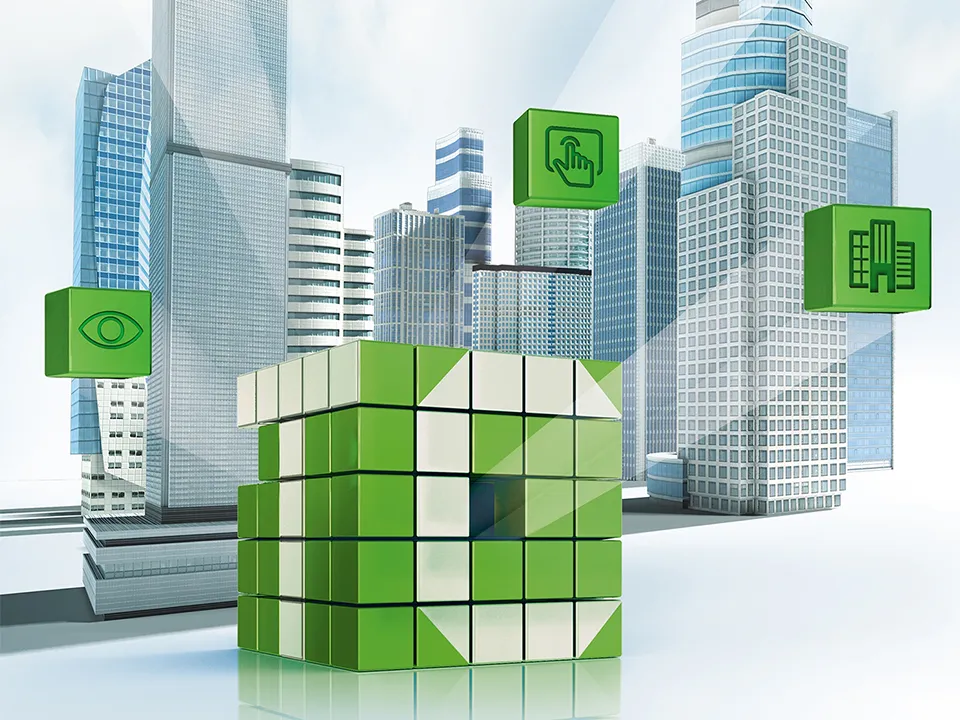
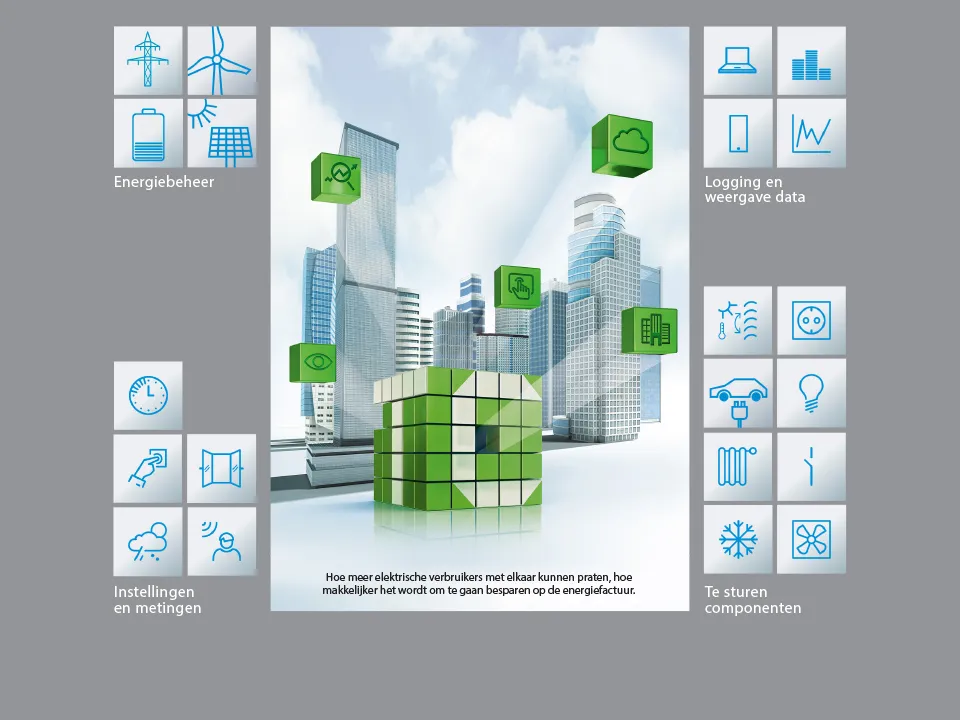
“Communication is the key to smarter energy use. The more electrical consumers can communicate with one another, the easier it is to reduce the energy bill. That means building automation. The term may bring to mind office buildings or large factories, but today the technology is also useful and affordable for homeowners looking to reduce energy consumption,” says Philip Neyens, support engineer at Beckhoff. The basis of Beckhoff’s building automation solution is openness. Virtually any signal generated in a building, whether wirelessly or via cable, can be read by the technology and incorporated into one integrated system. Energy metering terminals, digital meters, Modbus meters, an Mbus meter, KNX meters ... even the weather forecast online: everything is brought together in a single controller.
Visualising data
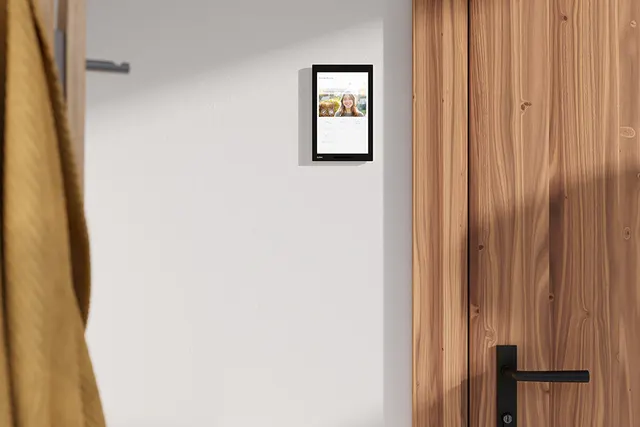
The result is a growing mass of data. Neyens explains: “Fortunately, your customer does not have to hunt through it for a needle in a haystack to optimise their energy consumption. The Beckhoff controller can be made self-learning. The more data is logged, the better the system can predict how much energy will be needed at any given time. This allows the heating, air conditioning, lighting, shading, charging point, battery control and more to be seamlessly coordinated.” But how does this work in practice? Initially, everything is simply visualised for the homeowner, for example through Visu or the Communicator App. “It is a convenient way to quickly gain a better understanding of energy consumption. Which appliances use the most energy? When are the peaks?
When is the best time to run the dishwasher or charge the car? This helps users take action to increase their own consumption of solar-generated electricity or spread their usage over time, which will be more advantageous under the upcoming capacity tariff,” says Neyens.
Fully automatic control
The next step is to set limits for your customer. They can then receive an alert by SMS or email when the peak load is becoming too high. Neyens says: “Your customer is still responsible for monitoring the situation. However, we are increasingly being asked to automate the process completely. With some programming and configuration, the Beckhoff PLC can take control itself, automatically operating the digital outputs of electrical consumers.” This can be done using a simple on/off contact for an air conditioner or a more sophisticated control arrangement, in which the air conditioner, for example, starts running at 50% of its capacity. “This is where the real benefits of an integrated system come into play,” Neyens emphasises. “Using the weather forecast, the system can set the shading in advance or start the air conditioner gently before the heat sets in. The possibilities are truly endless when it comes to creating an integrated, automated system that keeps getting smarter. Importantly, your customer can always take over and override the system when necessary.”
How can you deliver this added value?
But how can you put this into practice? Installation technology and programming may seem like two different worlds. And the challenge is even greater because every household can be very different. “The strength of Beckhoff’s solution lies in its simplicity. Even the smallest PLC gives your customer enough computing power to run the entire automation system. However, you do need training and some specialist knowledge to get to grips with it all. Learning how to develop a good, intuitive user interface is the first step. After that, you can decide how much detail to log. But with some understanding of electricity consumption and a bit of logical thinking, you can already go a long way. Beckhoff also offers training for installers who want to pursue this. The more deeply you explore building automation, the more benefits your customers will reap,” Neyens concludes.
Een zakelijke vraag aan Beckhoff Automation? Get in touch
Companies in this story
Keep following this
Get an email when a new story is published. No account needed.
- ThemeSmart building integration
- SubjectElektroTech
- CompanyBeckhoff Automation