Home automation, a technology on the rise
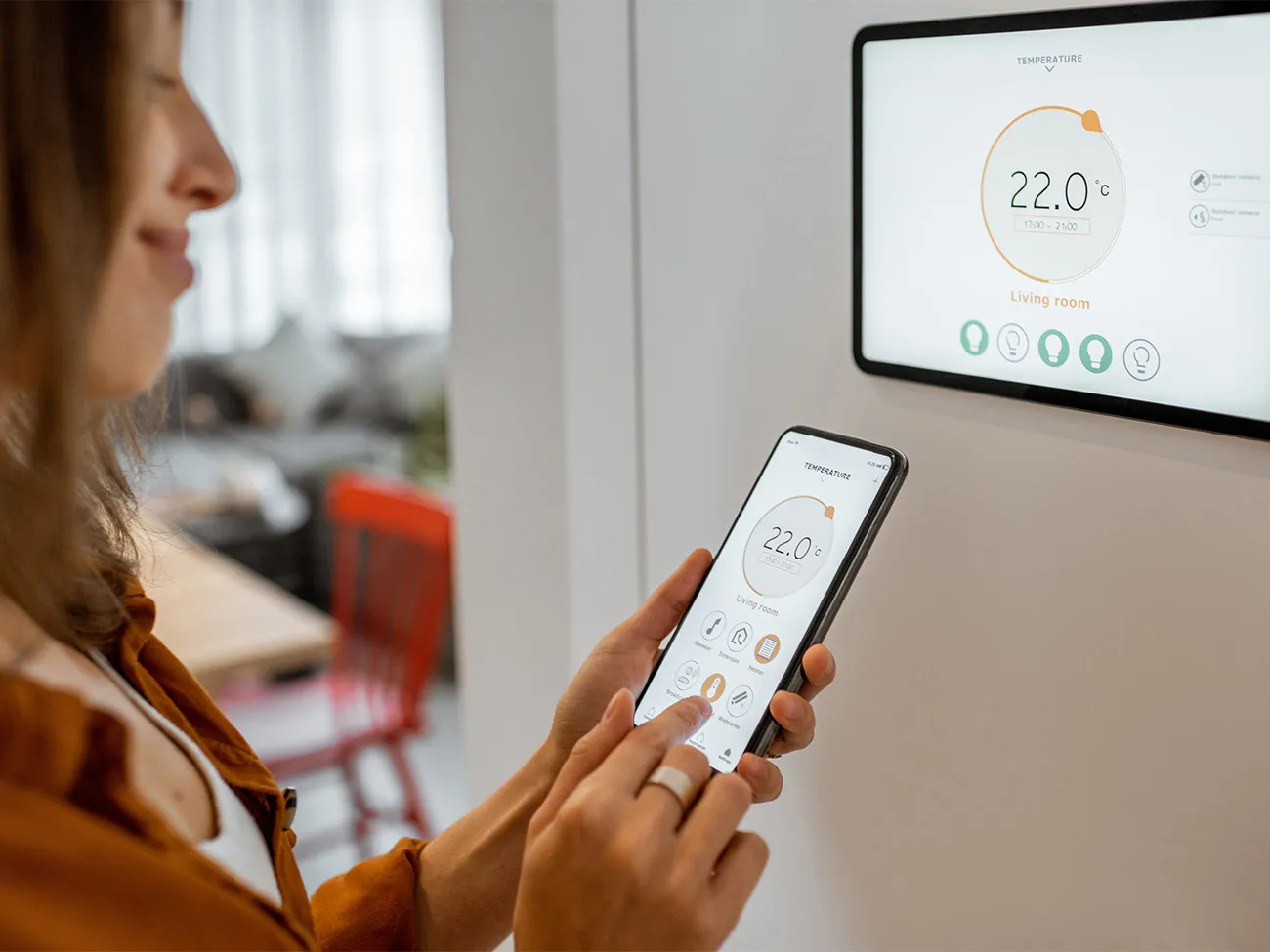
Where the first steps in home automation were limited to simple functions operated by a push-button or dimmer, for example to control lighting, shutters or heating, and were often restricted to a proprietary system, today’s evolution knows no bounds. Today’s communication systems, combined with the ingenuity of home automation manufacturers and new technologies such as connected devices and voice or visual recognition, enable almost complete interaction, not only between users and all the devices in their homes, but also between the systems themselves.
Eco-home automation
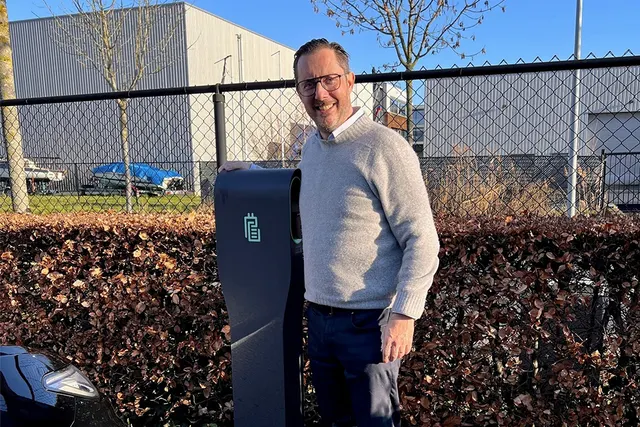
Whole-home energy management is becoming increasingly important, integrating natural energy sources such as solar or photovoltaic panels and mini wind turbines with heat pumps, heating, air conditioning, ventilation and electric vehicle charging stations. It is essential to optimise incoming and outgoing energy flows in real time. This approach is based on eco-design when planning a new building.
Total control
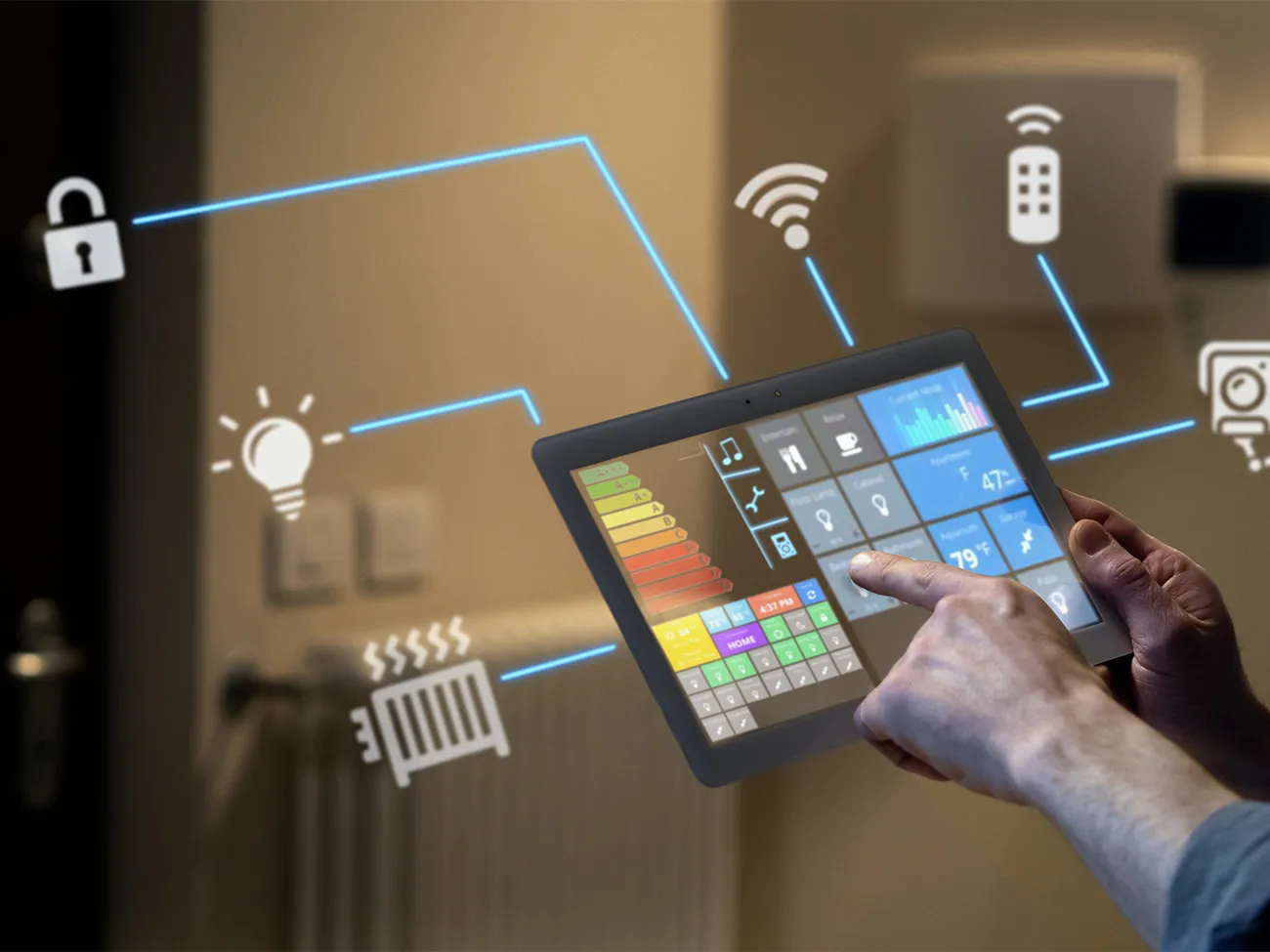
Internet connectivity is ubiquitous, whether for remote working or remotely controlling connected devices. A computer, tablet or smartphone, using a home automation app or a device-specific app, gives users total control over their devices and even a home cinema system, including source selection, volume levels and media streaming, in combination with a programmed mood setting.
Security
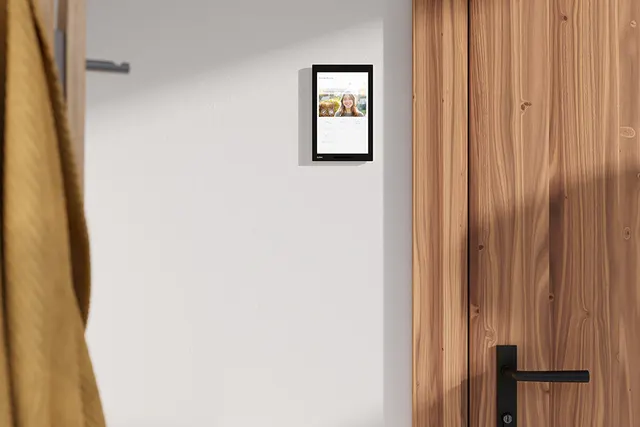
As an added benefit alongside a burglar alarm and/or camera control system, home automation enables remote monitoring by activating a scenario tailored to the situation detected. This could include controlling the opening and closing of doors, switching on lights, voice interaction, calling family members and activating cameras for the central monitoring station, for example.
Health and quality of life
Even when living alone, a person with care needs or a disability can enjoy greater independence by controlling their surroundings from their wheelchair using a touch interface or even voice control.
Wired or wireless?
Wired systems, the electrician’s original niche, are preferred when designing a new building because of their greater reliability. Wireless systems, such as Wi-Fi, radio frequency and infrared, are more likely to be used in renovations.
Incompatibility between different systems?
Multi-system interfaces can bring together different systems or connected devices that were previously incompatible in a single app. We are thus witnessing the convergence of yesterday’s and today’s technological worlds.
Question about this story? Ask your question
Keep following this
Get an email when a new story is published. No account needed.
- ThemeSmart building integration
- SubjectElektroTech