Electrical inspections in Belgium: the current state of play
Text Wouter PolspoelImage Pixabay
Electrical inspections have been an integral part of Belgian regulations on electrical installations for many years. They are designed to prevent electrical faults in homes and buildings, rule out short circuits and fires, and protect building users from electric shocks. Today, the focus of electrical inspections in Belgium is more than ever on sustainability and digitalisation, and inspection requirements are stricter than ever. Here is an overview of the current state of play.
In Belgium, the General Regulations on Electrical Installations (AREI) require electrical inspections in specific circumstances. These include the installation of new systems, major renovations, or the sale of a home or building. The sale cannot go ahead without an inspection report or certificate. Every home must also have its electrical installation inspected every 25 years, and every five years in a rented property. Many insurers require a valid inspection certificate for fire damage cover.
In Belgium, electrical inspections are carried out by an accredited inspection body, such as Vinçotte or BTV, with qualified inspectors. They check the following:
- Earthing: are the connections correct?
- Residual current devices: do they operate safely and in good time?
- Electrical diagrams: are they complete and accurate?
- Cables and switches: are there any faults or signs of wear?
- Load capacity: is the installation suitable for current and future loads?
Inspection bodies are increasingly replacing paper inspection reports with digital certificates that can be accessed via central platforms.
Developments
Since the new AREI was introduced in 2020, the regulations have become more comprehensive and detailed. For example, a distinction was made between low-, medium- and high-voltage installations.
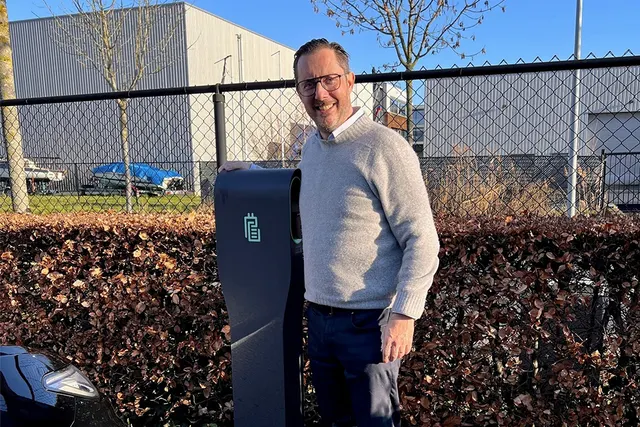
Three other major recent developments can also be identified. First, renewable energy was incorporated into the requirements. The growing use of solar panels, home batteries and EV charging points called for adapted standards. Electrical inspections now assess the safety not only of the main installation, but also of the new technologies integrated into it.
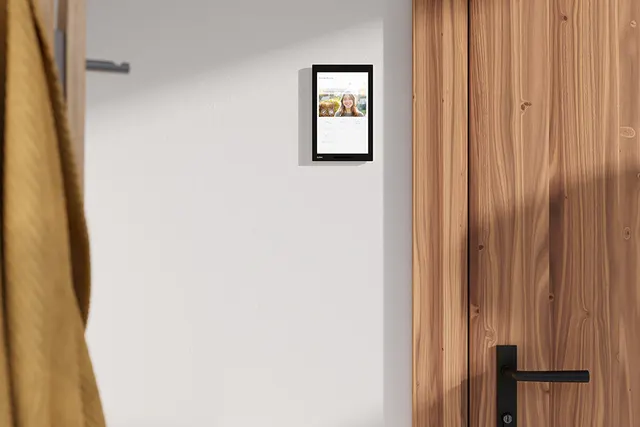
Second, electrical inspections must now also consider the compatibility of the main installation with home automation systems and smart meters. The AREI clearly stipulates that these two systems must not introduce safety risks.
Finally, stricter inspection requirements now apply to old electrical installations. These are intended to encourage building owners to modernise their installations sooner. Incidents caused by outdated electrical diagrams and faulty wiring remain a persistent problem: inspection bodies report that almost 40% of installations more than forty years old fail their first inspection.
Challenges
Inspection bodies are currently under considerable pressure. Demand for electrical inspections is growing steadily, partly because of the increase in renewable energy. Waiting times of several weeks are more the rule than the exception.
Another challenge is that many Belgians do not know exactly how to prepare their installation for inspection. This often results in repeat inspections and extra costs on top of the standard inspection fee, which ranges from 100 to 300 euros depending on the complexity of the installation. In older homes in particular, the cost of modifications following a failed inspection can quickly add up.
The future
Belgium continues to work towards improving electrical installations, and not just through a stricter AREI. Other initiatives, such as financial support for modifications to electrical installations and more awareness campaigns, should also help make electrical installations in Belgium safer and more sustainable.
Next year, home batteries and other storage systems will also be subject to mandatory inspections. This supports the European ambition to accelerate the energy transition without compromising on safety.
In conclusion, the tightening of the AREI requires both private individuals and businesses to modernise their electrical installations where necessary. Electrical inspections in Belgium are therefore clearly more than a mere administrative requirement. They are an essential part of protecting people and homes.
Question about this story? Ask your question
Keep following this
Get an email when a new story is published. No account needed.
- SubjectElektroTech