Are solar panels still on track?
Text Anne SomersImage Smart Electric Peeters / Oleksandr Ryzhkov
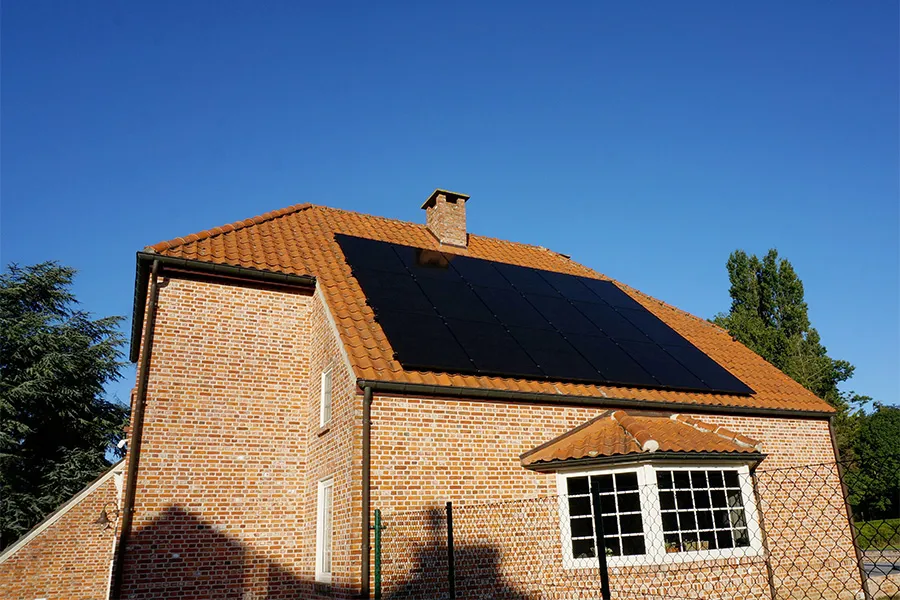
The figures from the progress report
Linking all the data to the targets to be achieved by 2050 has sparked a real race. Never before have so many reports on energy targets been read as in recent years. Not just by installers and players in the energy sector, but also by end users. Here is a selection of figures already calculated for the past year (2022). After all, the aim is to measure and (already) find out whether the challenging targets can be achieved by 2050.
Why are solar panels so much in the spotlight? That is no great secret to readers of Installatie & Bouw. Despite rising investment costs as a result of higher raw material prices, utility-scale solar is the cheapest option for generating electricity. This is the case in a significant number of countries around the world. Demand for rooftop solar panels is also set to grow faster as a result of higher electricity prices and increasing policy support. To help consumers save on their energy bills, the exceptional growth in solar deployment in recent years must continue, and production must therefore be scaled up further. Ongoing policy efforts will be needed to support this process.
‘On track’
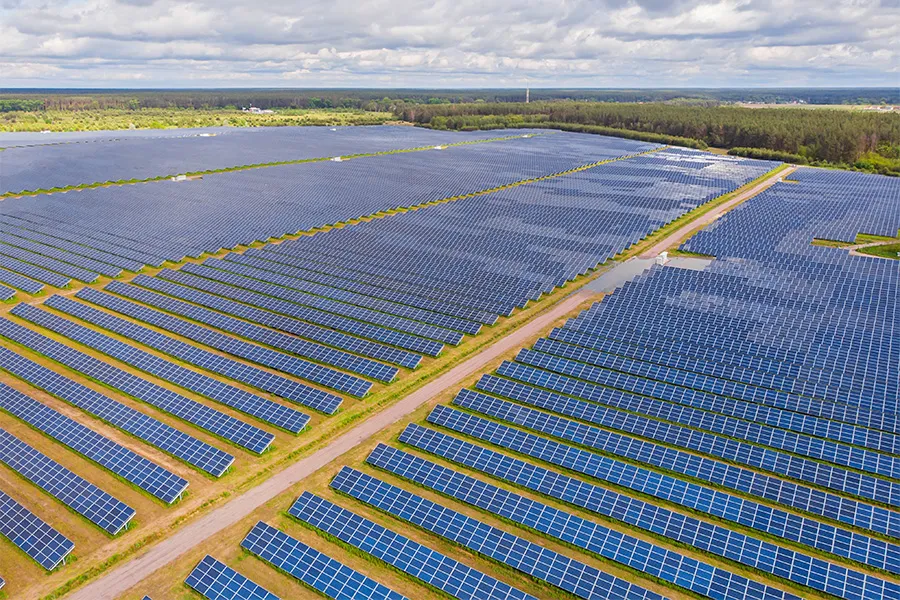
Solar power generation rose by a record 26% in 2022. It recorded the largest absolute growth of all renewable technologies in 2022 and, for the first time in history, also overtook wind power. This growth is in line with the increase targeted by 2030 under the Net Zero Emissions 2050 scenario. The growing economic attractiveness of solar panels, the rapid development of the supply chain and increasing policy support are now particularly evident in China, the United States, the European Union and India. Capacity growth in these regions is expected to accelerate further in the coming years. Solar power’s tracking status was therefore upgraded in 2023 from ‘more effort needed’ to ‘already on track’.
To maintain a growth rate aligned with the climate targets for 2050, annual capacity additions between now and 2030 must be almost three times higher than in 2022. Achieving this will require sustained policy ambition and efforts from both public and private stakeholders, particularly in the areas of grid integration, policy, regulation and finance. New ambitious policies and targets are now being introduced in the largest PV markets, and are therefore expected to accelerate capacity growth further across every sector and environment. At least, that is the expectation.
Some figures:
- The European Union is accelerating and promoting solar deployment in response to the energy crisis. It added 38 GW in 2022, a 50% increase on 2021. New policies and targets have been proposed in the REPowerEU plan and the Green Deal Industrial Plan.
- The United States included generous new funding for PV in the Inflation Reduction Act (IRA), introduced in 2022. Tax credits for investment and production will provide a significant boost to PV capacity and supply chain expansion.
- China accounted for around 38% of the growth in solar power generation in 2022.
- The second-largest increase in generation, accounting for 17% of the total, was recorded in the European Union, closely followed by the United States (15%). PV proved resilient despite supply chain bottlenecks, high raw material prices and rising interest rates in 2022.
- PV accounted for 4.5% of total global electricity generation, and remains the third-largest renewable electricity technology after hydropower and wind. To reach annual solar power generation of around 8300 TWh in 2030, in line with the Net Zero Emissions 2050 scenario, average annual generation growth of around 26% is needed during the period 2023-2030. This rate is therefore comparable to the growth recorded in 2022, but maintaining this momentum as the PV market expands will require continued effort.
An attractive alternative
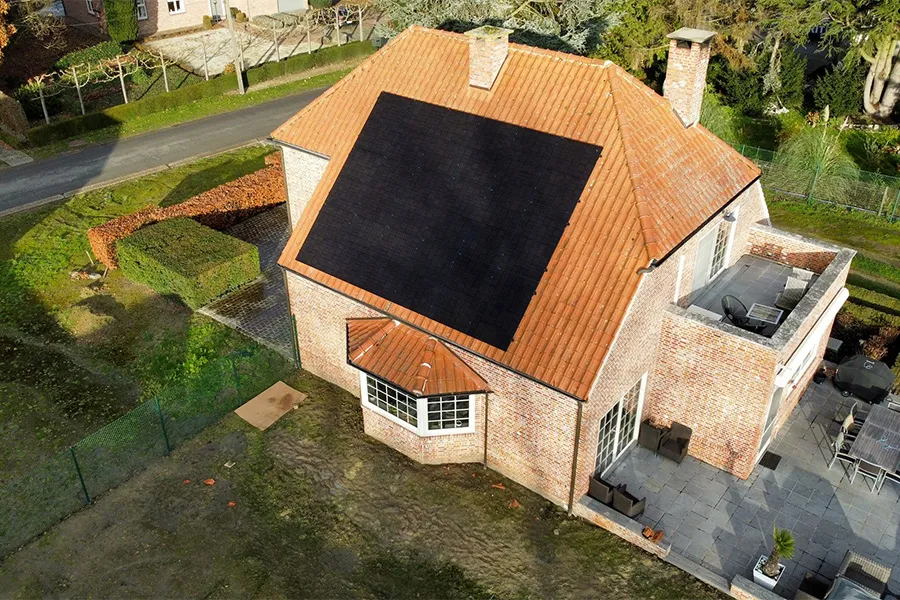
Against the backdrop of high fuel and electricity prices in 2021-2022, solar panels became an increasingly attractive alternative for many consumers, leading to high levels of private investment in this area. However, building large-scale installations is becoming an increasing challenge in many countries due to a lack of suitable sites and rather complex permitting procedures. This works in favour of small-scale rooftop PV installations. According to the progress report, distributed and utility-scale solar should be developed in parallel, depending on the potential and needs of each individual country.
Conclusion?
The expansion of solar power production capacity is on track. It may even exceed demand in 2030 as forecast in the progress report now before us. This is, of course, being driven by the Net Zero Emissions 2050 scenario, which efforts are being made to follow closely, and by various policy support initiatives that will also reward and penalise accordingly.
Source: condensed and translated figures report available at www.iea.org
Question about this story? Ask your question
Keep following this
Get an email when a new story is published. No account needed.
- SubjectElektroTech