‘After the coronavirus crisis, we must also take the climate crisis seriously’
ATTB, the Belgian association of heating equipment suppliers, looks back on the turbulent year 2020 with mixed feelings.
Given the exceptional circumstances, sales figures were not too bad overall. Heat pump sales rose sharply, while the number of heating boilers fell only slightly. Many sectors have fared much worse. In any case, once the coronavirus crisis is largely behind us, we must finally take the climate crisis seriously. Europe must cut greenhouse gas emissions by 55 per cent within just 9 years, by 2030. That will require a huge effort. In our country, the ageing and energy-guzzling housing stock is a major part of the problem. Millions of old boilers continue to emit far too much CO2. The heating sector wonders why polluting cars are being dealt with so strictly, while polluting heating systems are not.
2020 was a very complex year, to say the least. And 2021, which sees Batibouw going virtual for the first time, is already off to a very unusual start. Making predictions is difficult, if not impossible. Everything depends on the virus and its variants, as well as on whether the vaccination programme goes smoothly, but the first half of the year will probably look much like last year.
Heating sector held up reasonably well during the first year of the coronavirus pandemic
In 2020, the coronavirus brought working from home, digital meetings and staycations into the mainstream. With fewer opportunities to travel or eat out, many people were able to put a little more money aside. Some of those savings went towards improving the comfort of their homes, including by replacing their heating systems. That is certainly what the heating sector’s figures suggest, and overall they were not too bad.

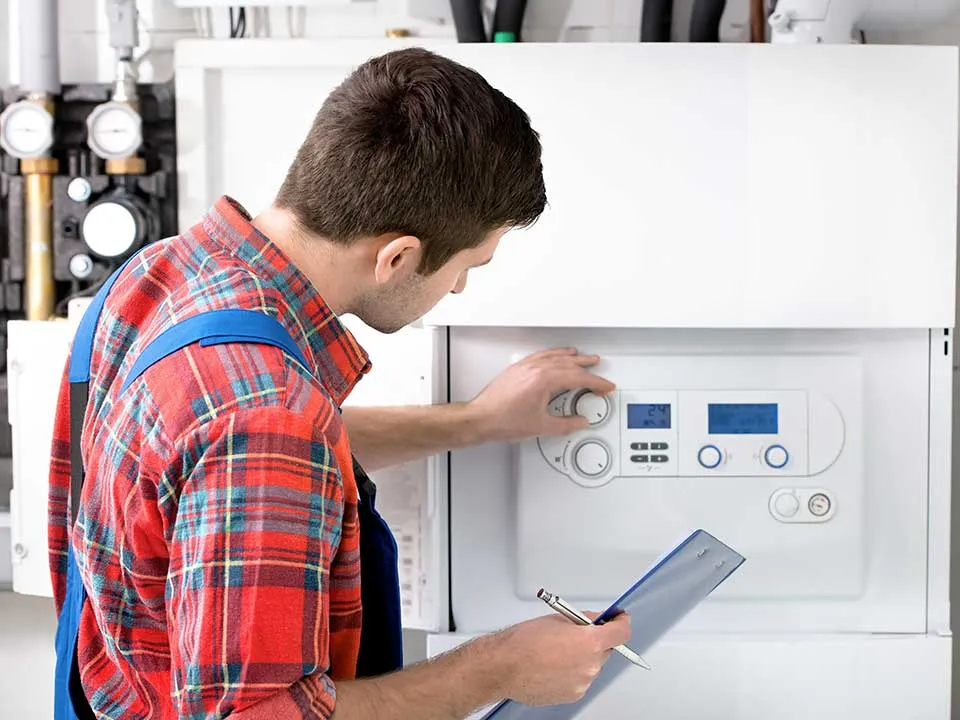
213,350 heating boilers were sold last year, just 3 per cent fewer than in the record year of 2019. Just under 200,000 of them were gas-fired condensing boilers. Sales of oil-fired condensing boilers edged up slightly, although their market share remains very small, at 6 per cent. The trend of previous years continued with a sharp fall in sales of non-condensing low-temperature boilers. From an environmental point of view, this is of course a good thing.
Less positively, demand for solar thermal systems continues to fall, and sharply so: down 35 per cent. Both supporters and critics agree, however, that solar thermal is an excellent technology. According to ATTB, this decline is largely, if not entirely, due to the excessive and one-sided focus on photovoltaic (PV) solar panels, both in government and in the media.
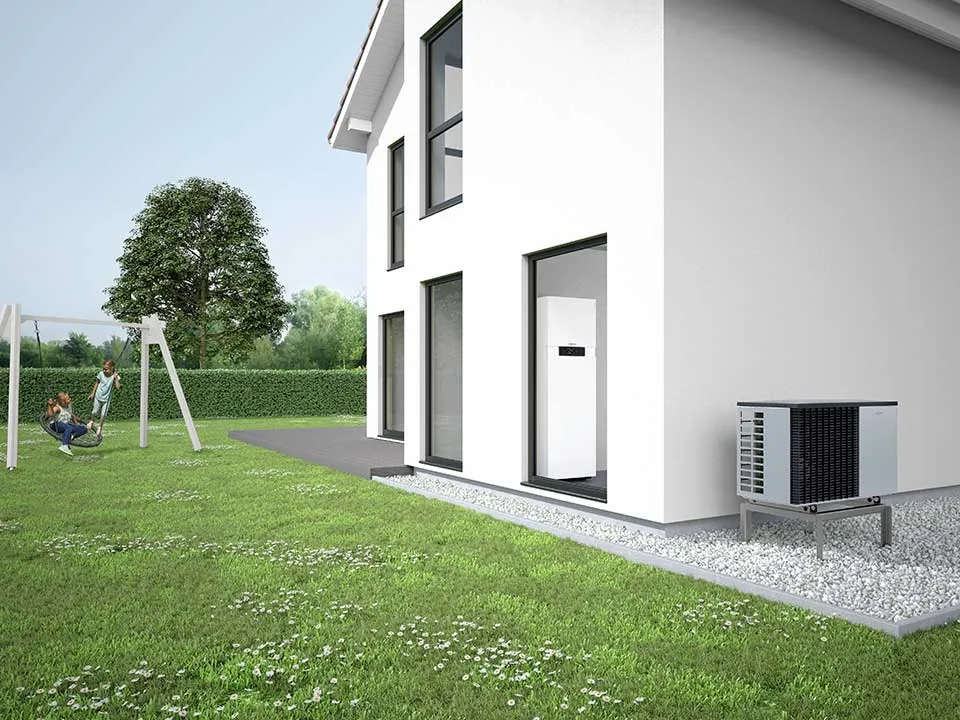
Heat pumps were the heating sector’s success story in this coronavirus year. All types recorded strong growth, up around 30 per cent in total. Around 1 in 2 new-build homes now has a heat pump. Heat pump water heaters performed less well, down 10 per cent. This too is probably due to the rush to install PV panels.
The energy sector faces a range of challenges in 2021 and beyond
The heating sector expects the positive trend to continue, at least in the first few months. To put it rather bluntly: thanks to the virus. As long as we have to work from home and travel is discouraged, people will continue to focus on home comfort and, therefore, on efficient, energy-saving heating systems. Once we can really go on holiday again and travel, and go to cafés and restaurants, other priorities will probably take precedence for a while.
The solar thermal sector does see new opportunities for solar boilers. In recent years, solar boilers have had to compete with PV systems, which enjoyed a considerable competitive advantage thanks to the free storage of electricity in the grid. The recent ruling by the Constitutional Court removes that advantage, hopefully drawing more attention to solar boilers from both the various levels of government and the public. The sector therefore hopes that, after 7 bad years, solar boilers will finally perform better in 2021.
The question is also what effect the change to the way our electricity bills are calculated from 1 January 2022 will have. A capacity tariff will then be introduced, and charges will no longer be based on the total amount of electricity we use in a year, but on consumption at peak times, when several household appliances are running at once, the heat pump is operating and the electric car is charging … Would this not be the right time to reduce the high levies on electricity prices?
After the coronavirus crisis, attention must return to the climate crisis.
Cut CO2 emissions by 55% by 2030? Who will pay? In December 2020, European leaders agreed to reduce greenhouse gas emissions across Europe by at least 55 per cent by 2030. Our country has committed to cutting CO2 emissions by 35 per cent by the same year. How we will achieve this in practice depends on the regions. In any case, our old and energy-guzzling housing stock will need a major overhaul to make it more energy-efficient.
Our new-build homes are fine, but what about the hundreds of thousands of renovations that are still needed? Making an older home energy-efficient costs €50,000 to €80,000. Many people simply do not have that money, or do not want to spend their savings on it. And current grants, although they have been increased somewhat, are nowhere near enough to cover energy-efficiency investments. What about rental properties? How can owners be encouraged to make them energy-efficient? Some form of requirement will be necessary, just as there will be for replacing obsolete heating systems. Why are polluting cars banned from our cities, while much more polluting heating systems are allowed to keep operating?
As well as financial and environmental challenges, there are practical problems. There are far too few qualified workers to carry out the renovation and installation work needed, meaning that prospective renovators face increasingly long waiting times. The construction federations are campaigning to persuade young and older people to seek work in the construction sector, but our politicians are taking no action on this front.
Some of them certainly have other fish to fry, but surely they cannot all be Health Ministers?
Question about this story? Ask your question
Keep following this
Get an email when a new story is published. No account needed.
- ThemeFossil-free heating and cooling
- SubjectElektroTech