A look beyond the grilles: what really makes ventilation perform
Text Wouter PolspoelImage Pixabay, AI en Ventilair Group
Anyone who has read the article co-written by Ventilair Group elsewhere in this issue knows that a well-designed ventilation system not only ensures optimum indoor comfort, but also helps save energy. But there is more to say about ventilation. For example, the installer and user have a major influence on how well the system performs. And acoustics are an aspect that manufacturers and installers of ventilation systems must never lose sight of. The sector is also undergoing rapid change. It is time to look beyond the grilles in the wall.
Reducing ventilation to the choice of a particular type of system, A, B, C or D, does the concept a disservice. It is just as much about correctly sizing duct diameters, setting the right airflows and pressure ratios, and adjusting sensors properly. Occupant behaviour is also a key factor in a ventilation system’s performance.
Even the best-performing system on paper will fall short if it has not been installed or adjusted correctly, or if users fail to replace filters, close grilles or stuff socks into extract grilles because of draughts. In short, efficient ventilation is only possible when the entire system is properly set up and used correctly.
Half of ventilation systems do not work as they should
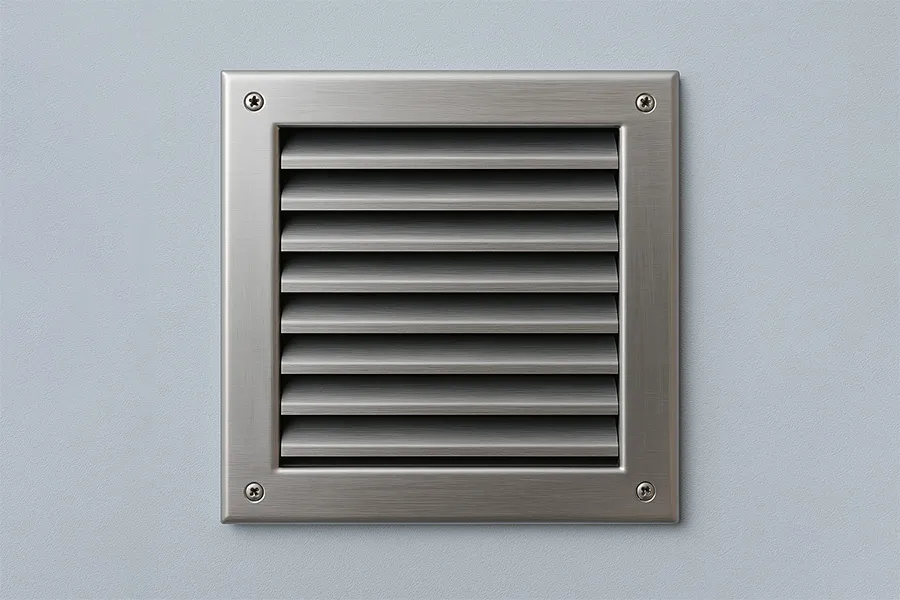
Field measurements over the past ten years have repeatedly shown that one in two ventilation systems does not work as it should in practice. Insufficient airflow, excessive noise, too much heat loss or, conversely, excessive ventilation in empty rooms: these are common problems that often go unrecognised. And the cause? It is rarely the unit itself. Rather, it is poor design, incorrect installation or inadequate communication between installer and user. Anyone who treats a ventilation solution as plug-and-play technology is bound to encounter resistance, both literally and figuratively.
Installers, and manufacturers too, should bear the following points in this article in mind.
Design starts with who, not what
Every ventilation choice starts with one crucial question: who will use the system? Is it for a family with young children? Then comfort and low noise levels are crucial. Is it for an office building with fluctuating occupancy? Then flexibility and monitoring are important. Is the system going into a school? Then robustness and low-maintenance operation must be priorities.
No installation operates in a vacuum. The context, technical but above all human, determines which system is suitable. Good ventilation design is therefore, by definition, tailored to the project.
Acoustics: the forgotten success factor
One of the main reasons why occupants switch off ventilation systems? Noise. Fans that hum, airflows that hiss, grilles that whistle: the loss of comfort can quickly outweigh the health benefits.
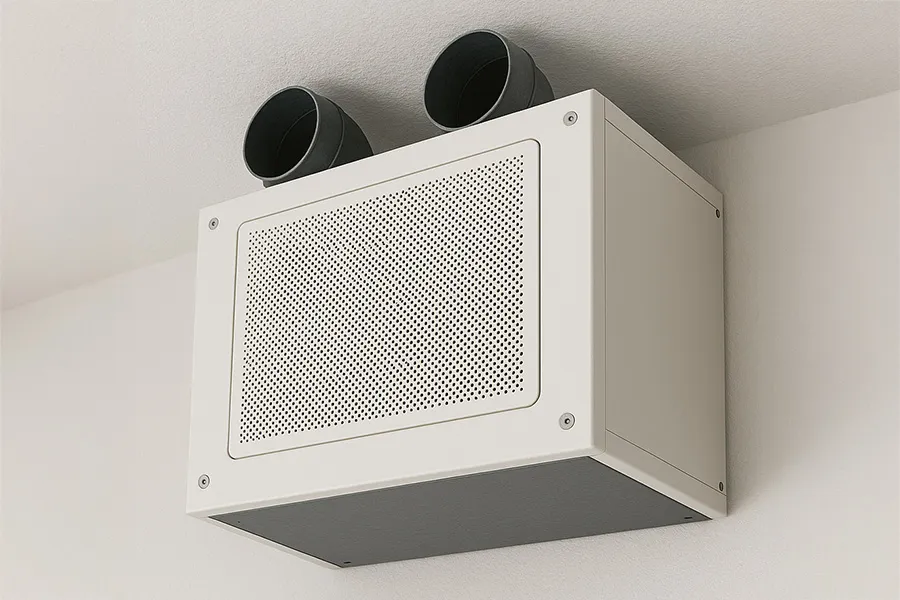
A high-performance system must therefore also be designed and commissioned correctly from an acoustic point of view, with sufficient attenuation, separate ducts and, ideally, no structure-borne noise reaching adjacent rooms. Acoustics are particularly often overlooked when installing ventilation systems in compact new-build homes.
Also essential in renovation projects
In new-build projects, ventilation is usually properly addressed as part of the EPB requirements. In renovation projects, however, it is often forgotten or ignored. Worse still, it may be deliberately omitted to avoid costs or disruptive building work. That is a serious error of judgement. Existing buildings often perform worse in terms of airtightness, insulation and moisture behaviour, which makes ventilation vital.
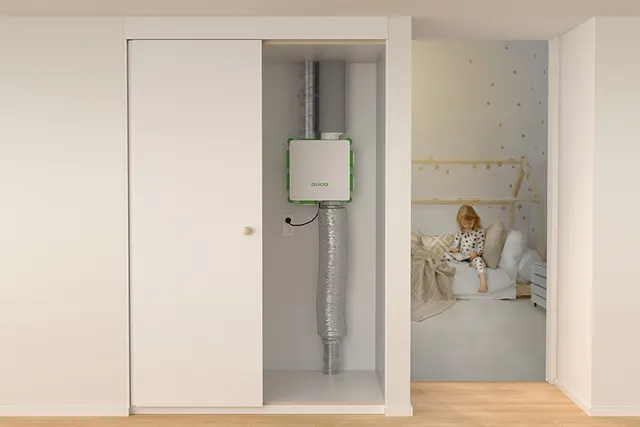
Fortunately, there are now many compact, decentralised or hybrid systems that have minimal impact on the existing structure. Ventilation specialists who do not offer these systems are missing out on opportunities.
From hygiene to smart control
The sector is also undergoing rapid change. In the past, ventilation was purely a matter of hygiene. Today, it is a fully fledged comfort and energy concept. Thanks to smart sensors and central control, we are moving towards systems that adapt in real time to a building’s occupancy. They do not simply ventilate when CO2 is detected, but also anticipate humidity peaks in bathrooms, odours in kitchens and VOCs in children’s bedrooms.
Ventilation is also making a digital leap. The data generated by a ventilation system can also be useful to facility managers, prevention advisers and home automation systems.
Installer = adviser
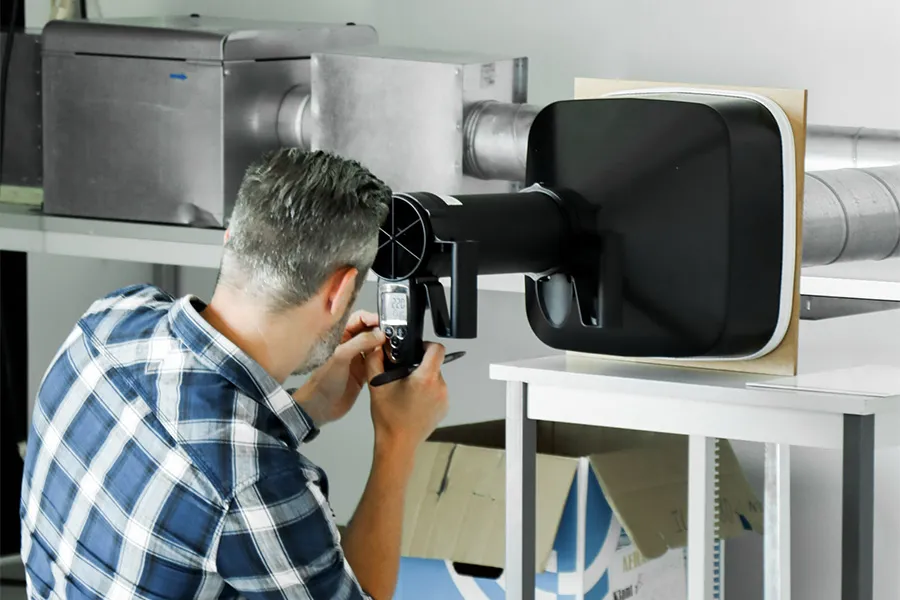
All this means that anyone installing ventilation systems today has to do more than hang units and lay ducts. They have become advisers: people who explain how ventilation systems work, help weigh up the options and suggest alternatives.
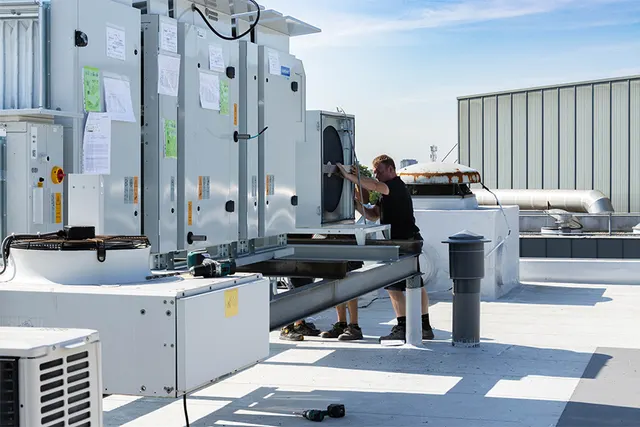
Aftercare has also become part of the installer’s role. From replacing filters to recommissioning the system, maintenance is crucial to keeping it performing well. Ventilation therefore deserves a place in the maintenance contract, just like boilers or solar water heaters.
A combined effort
In summary, a ventilation system can provide an optimal indoor climate and save energy only if it is designed and installed correctly, and used properly. Technology, people and the environment must work together. Anyone who understands this will realise that ventilation requires more than an air handling unit and a few ducts: it also calls for expertise and commitment from the manufacturer, designer, installer and user of the system.
Een zakelijke vraag aan Ventilair Group? Get in touch
Companies in this story

Keep following this
Get an email when a new story is published. No account needed.
- ThemeHealthy air and summer comfort
- SubjectVentilation
- CompanyVentilair Group