Light + Building 2026 confirms: buildings are systems, not a sum of technologies
Text Kris VandekerckhoveImage Light + Building
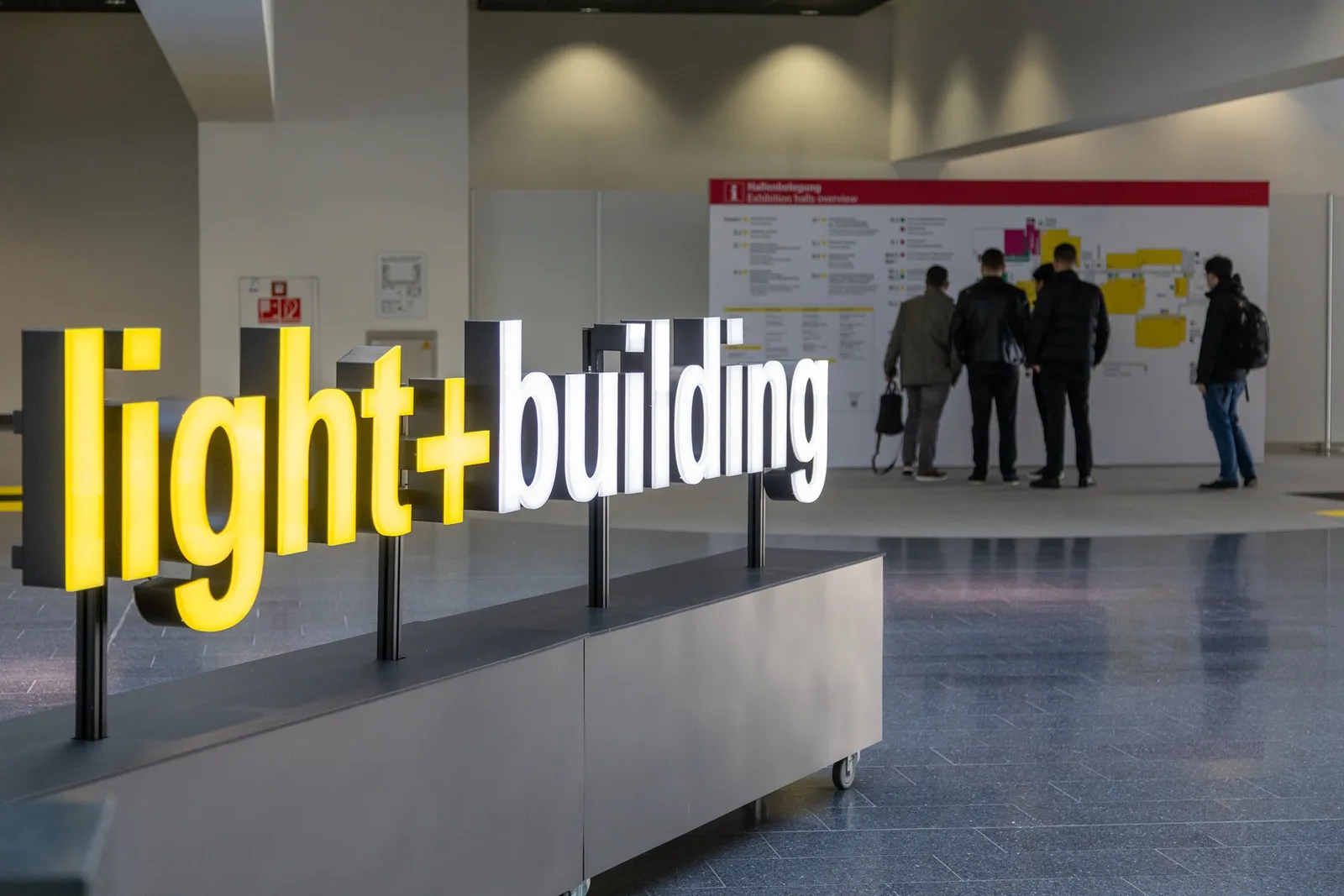
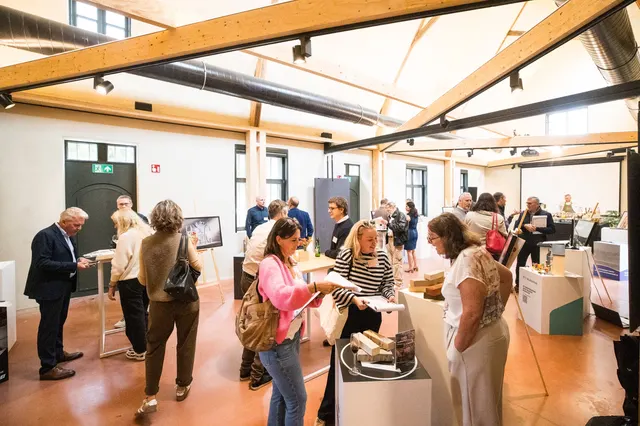
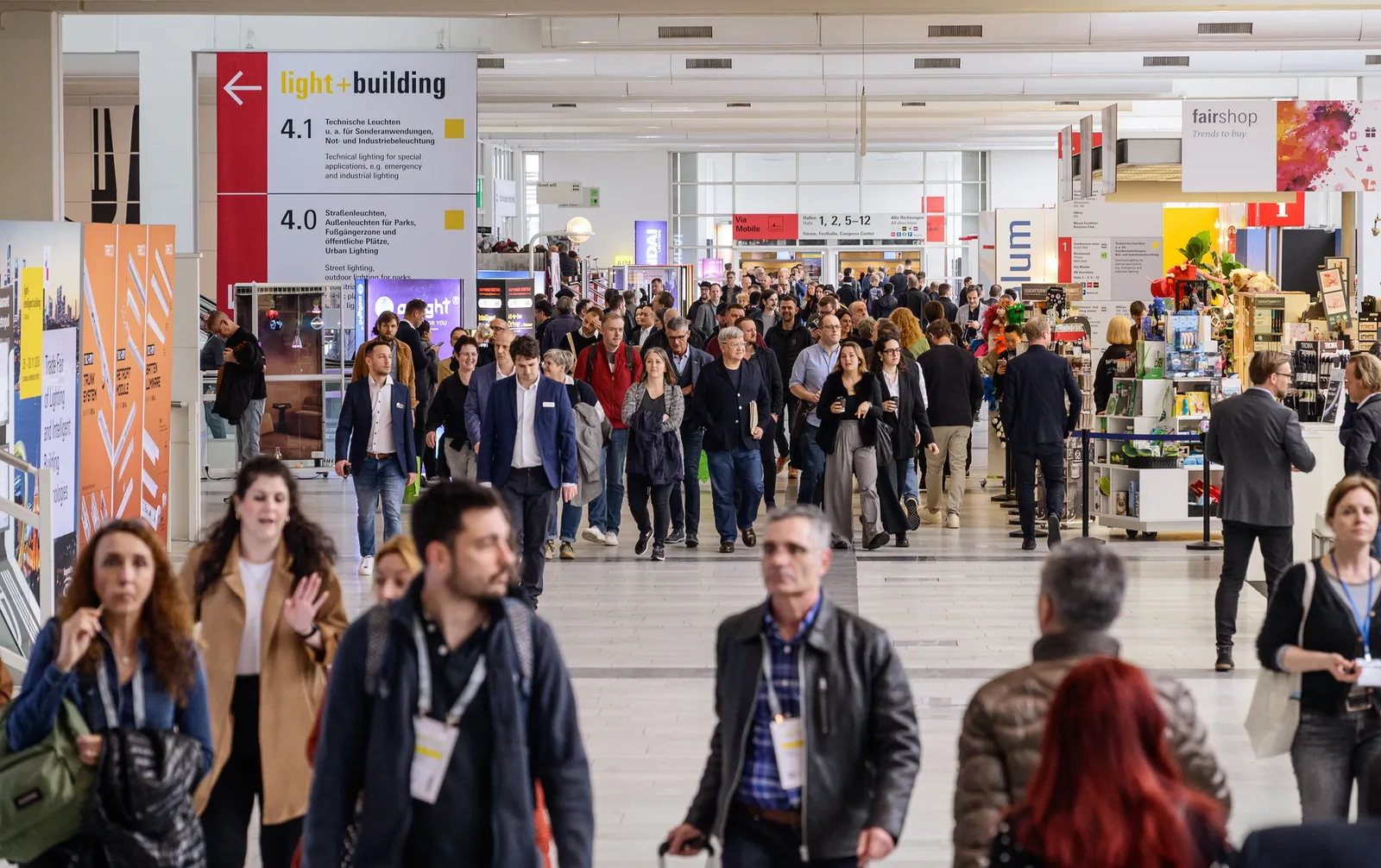
With almost 2,000 exhibitors and more than 140,000 visitors, Light + Building 2026 in Frankfurt am Main once again confirmed its position as the global benchmark platform for lighting and building technology. The trade fair, held from 8 to 13 March, showcased a sector in the midst of transition, with energy, digitalisation and design becoming increasingly interconnected. Buildings are becoming systems, rather than a sum of technologies.
A total of 1,927 exhibitors from 49 countries took part in Light + Building 2026. Together, they welcomed 144,767 visitors from 143 countries. Despite geopolitical tensions and disruption to international air travel, the fair once again confirmed its international appeal and relevance this year. In addition, 95% of visitors said they were satisfied and had achieved their objectives.
Buildings as active components of the energy system
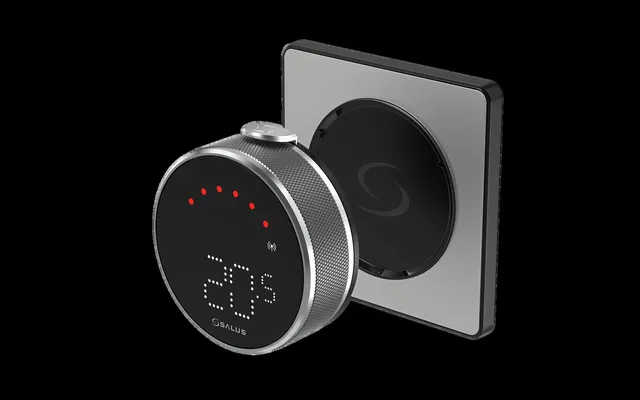
One clear trend at the fair was the shift from buildings as passive energy consumers to active components of an intelligent energy system. Smart energy distribution, integrated load and charging management, and bidirectional charging are bringing buildings into closer connection with the electricity grid and e-mobility. This opens up new prospects for energy efficiency and grid stability. Another notable development was the growing focus on existing building stock. Modular, scalable solutions make energy upgrades and renovations more efficient and economically viable.
Digital planning and management tools, combined with multifunctional interfaces, simplify both installation and operation, and help create flexible, future-proof buildings.
A focus on design and knowledge-sharing
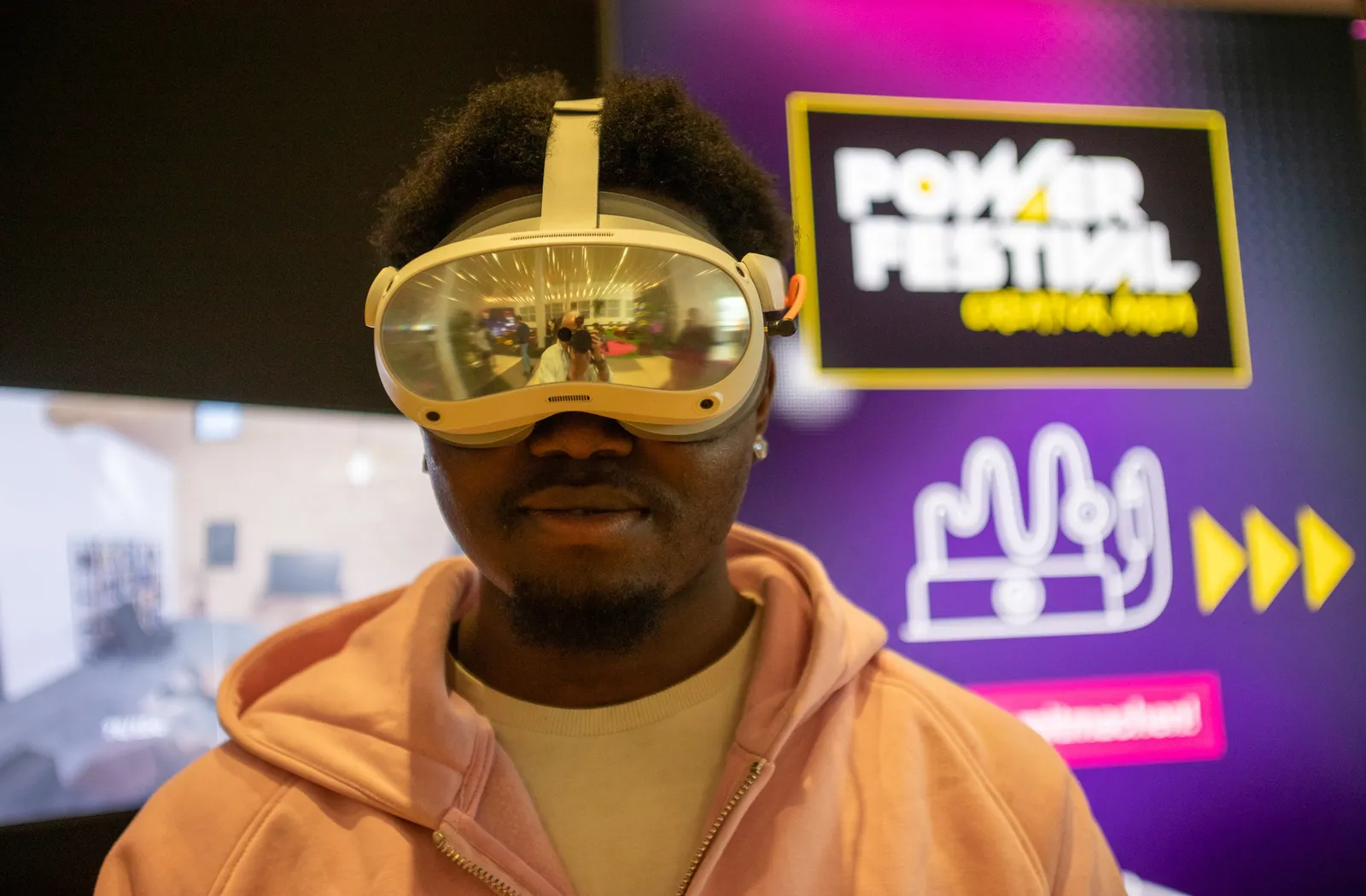
The sector is now being driven largely by electrification and digitalisation, with artificial intelligence acting as an accelerator. AI applications make it possible to manage buildings more intelligently, optimise energy consumption and develop new business models. At the fair, this was brought to life in applications involving connected building technology, smart interfaces and advanced energy systems. Light + Building 2026 also showed a shift away from individual systems towards integrated solutions centred on data, energy and use.
Intelligent, experience-led lighting
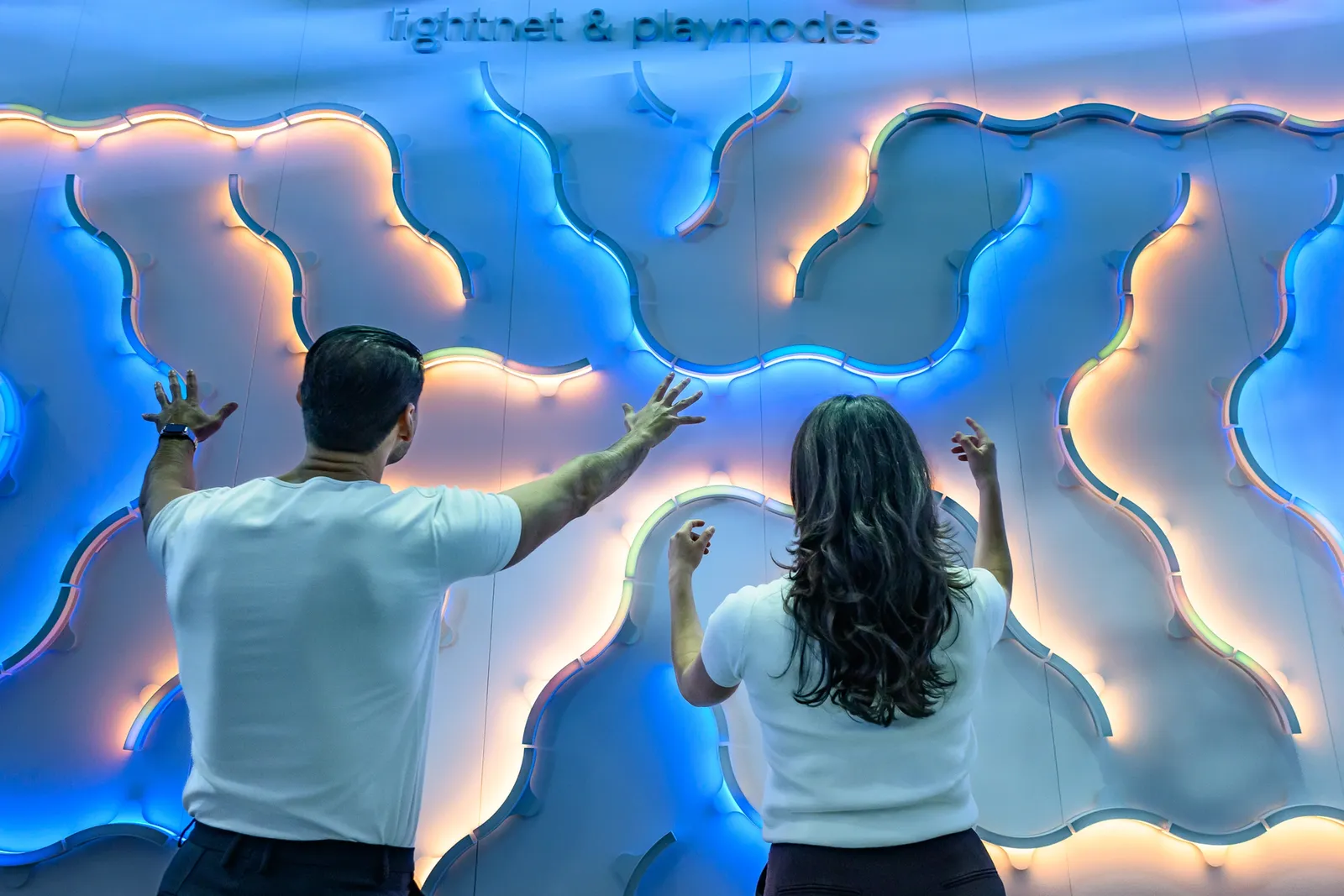
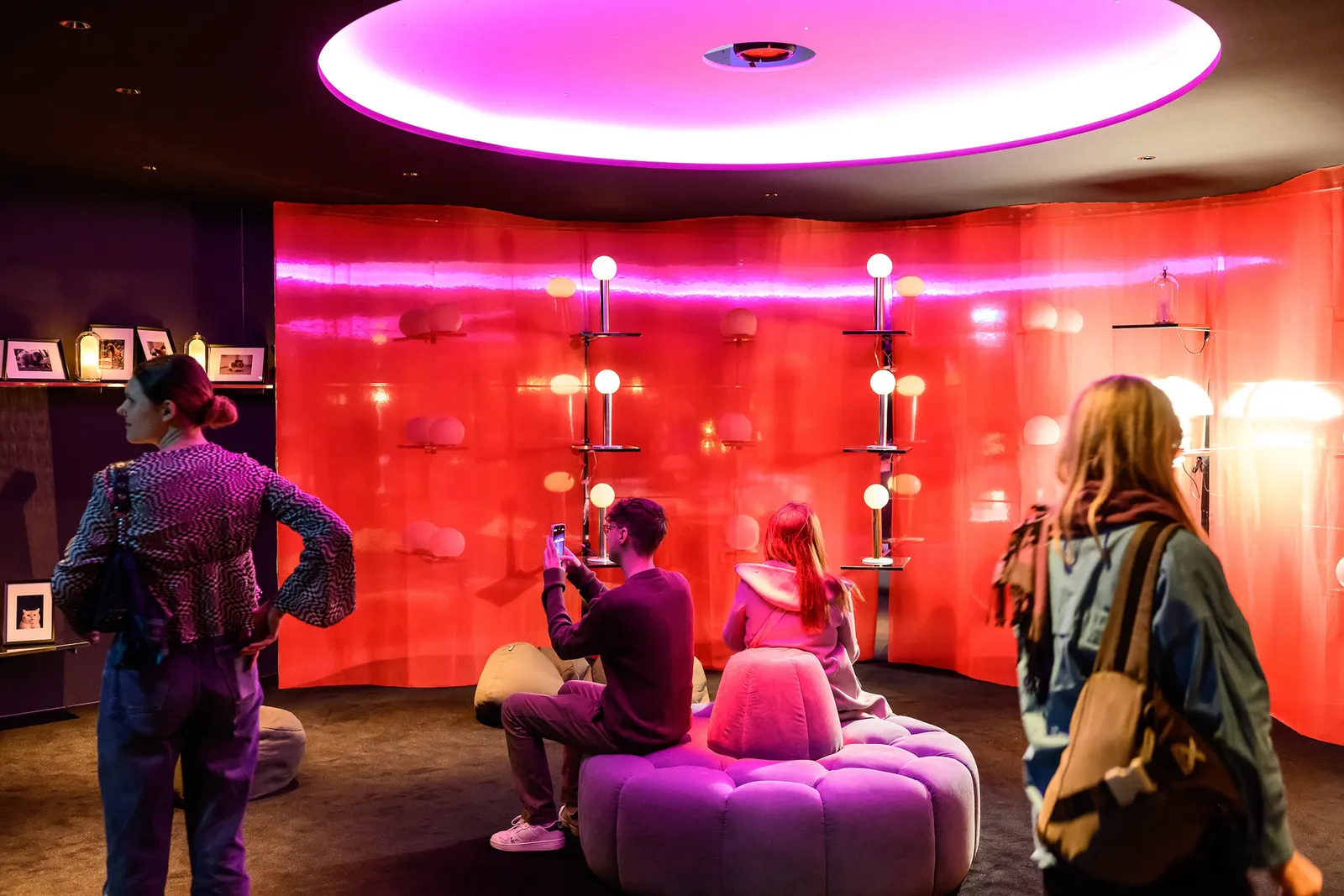
Light + Building 2026 also highlighted a clear evolution in the lighting sector. Lighting is developing from a static element into an adaptive, data-driven system. Sensors, connected luminaires and AI-controlled systems enable precise, demand-led light distribution tailored to occupancy, daylight and usage scenarios. This flexibility is relevant across a wide range of applications, from residential projects to retail, hospitality and urban infrastructure. At the same time, many lighting manufacturers at the fair stressed that light remains an essential design element in architecture and interiors. New luminaires, materials and light colours enhance the experience of a space, support orientation and improve comfort. The focus on sustainable materials and circular design also reflects the sector’s long-term vision.
Design and knowledge-sharing reinforce architectural relevance
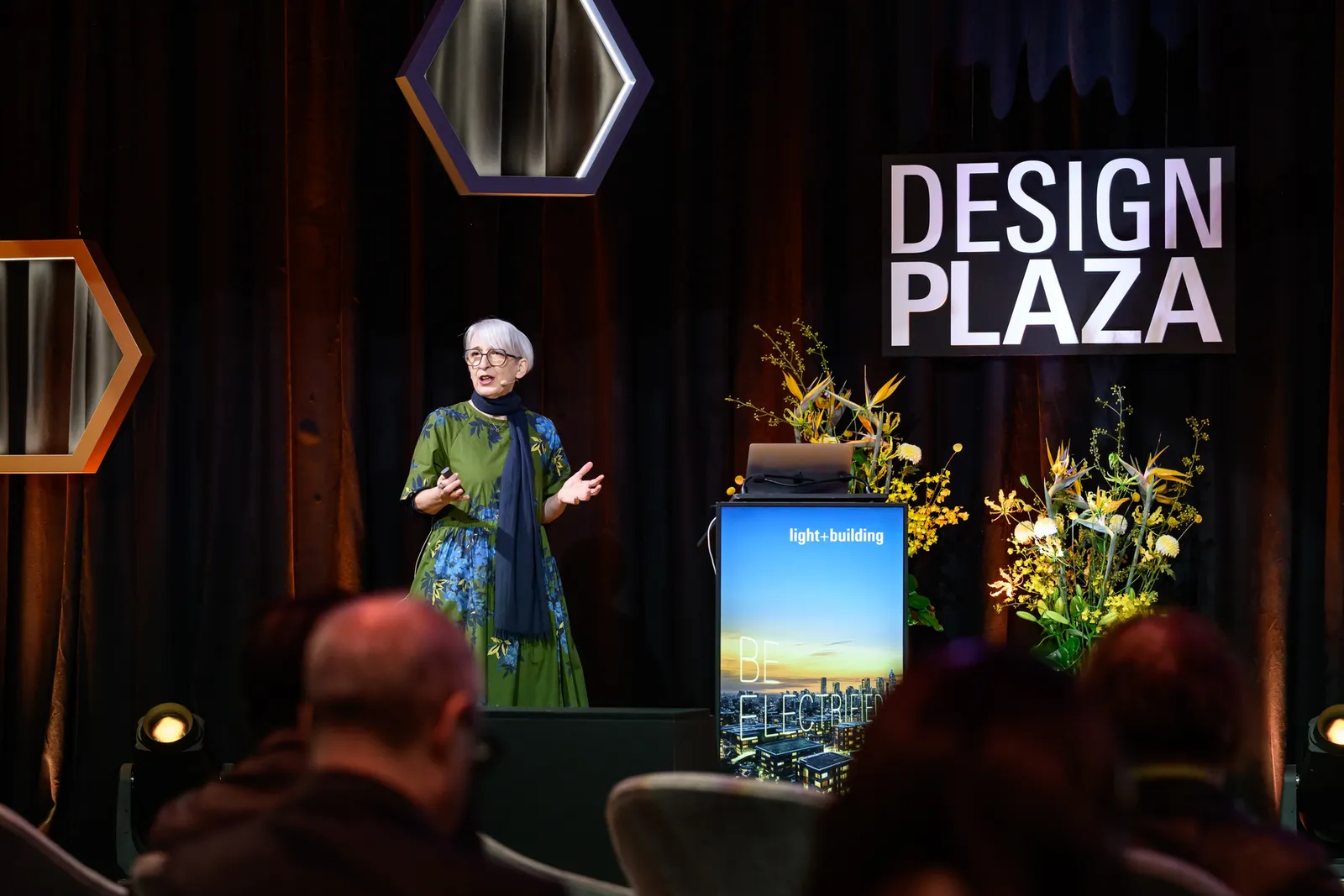
The Design Plaza showcased current developments in lighting design and architectural applications, while initiatives such as The Living Light highlighted the impact of lighting on living, working and wellbeing. Artificial intelligence also took centre stage, notably in the AI Lounge, where case studies demonstrated how digital tools are transforming building design and management processes. With a focus on emerging talent, including through the Young Design programme, Light + Building also reaffirmed its role as an incubator for new ideas and innovative design approaches.
Towards integrated buildings
The message running through Light + Building 2026 was clear: the built environment is evolving into an integrated system in which energy, technology and design are inextricably linked. Buildings are becoming smarter, more flexible and more interactive, while lighting is being transformed into an intelligent element of architecture that shapes atmosphere. The challenge for architects and designers is no longer to apply individual technologies, but to integrate them into coherent, sustainable and future-proof solutions.
Question about this story? Ask your question
Keep following this
Get an email when a new story is published. No account needed.
- SubjectEvents