Heating oil and natural gas sectors unveil their vision for the future at Batibouw
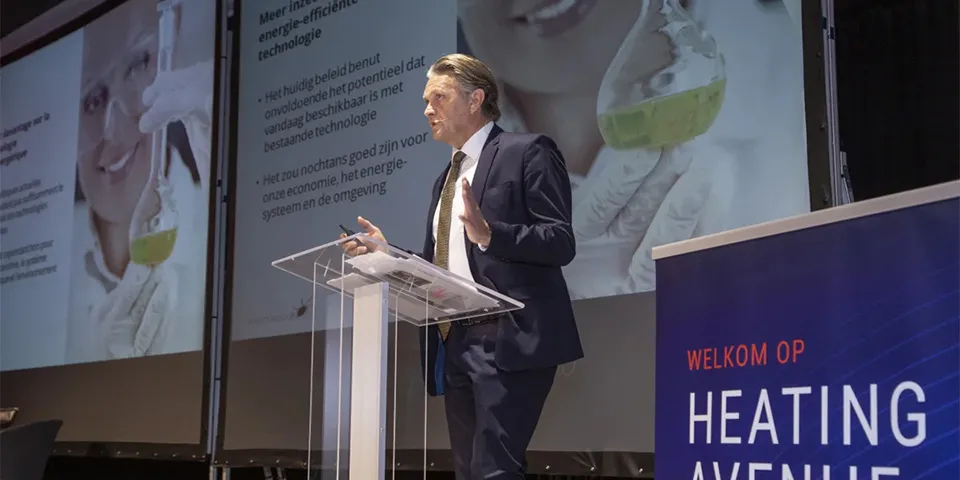
On Friday 22 February, the second professional day of Batibouw, Informazout, together with gas.be and Cedicol, organised the first ‘HEATING Avenue’. During a morning packed with information sessions, panel discussions and workshops, participants explored the future of natural gas and heating oil in a sector undergoing rapid change. Efficiency and combinations with renewable energy were central to the discussions, alongside the potential of biogases and new liquid fuels that emit significantly less carbon dioxide. Around 300 industry participants came away with a wealth of information and useful answers.
It is clear to all industry players that we need to join forces for a sustainable future. However, there is still room for debate about how to achieve this. Should we rule out certain technologies, or opt for a technology-neutral approach that puts efficiency and performance first?Investing wisely
Willem Voets, managing director of Informazout, sets the scene for the conference from a heating oil perspective: “Around 3.5 million Belgians heat their homes with heating oil. There are approximately 1.6 million heating oil installations in Belgium, about half of which are functioning but outdated systems. Those who renovate and opt for a combination of a high-efficiency heating oil boiler and renewable energy can achieve a very rapid reduction in CO2 emissions. Investing in insulation also delivers significant environmental benefits for every euro spent.

“On the other hand, new solutions powered by the electricity grid have their advantages, but also generate greenhouse gases through electricity production in gas-fired power stations and even foreign coal- and lignite-fired power stations. With this conference, we wanted to shed more light on this complex subject and work together to find the solution that delivers the best results,” says Willem Voets.
For more information: https://pro.informazout.be/nl/heating-avenue-2019
New technology
Alongside efficiency and combinations with renewable energy, participants also considered the potential of new technologies. In fact, the first new liquid fuels that significantly reduce greenhouse gas emissions are already gradually coming onto the market. For now, they are mainly intended for the transport sector, but they could also be an option for heating in the future. Tests show that the new liquid fuels can be used in modern heating oil boilers without any significant modifications to the installation. These new liquid fuels, or ‘synthetic fuels’, are virtually climate-neutral, which is precisely the major challenge for 2050.
“Of course, for now we still have to take into account the higher production cost, which could put consumers at a disadvantage. Further research, economies of scale and changes in energy prices should help these products gain a foothold in the future,” concludes Willem Voets.
Een zakelijke vraag aan Informazout? Get in touch
Companies in this story

Keep following this
Get an email when a new story is published. No account needed.
- SubjectEvents
- CompanyInformazout