Heat pumps are always the smartest choice, even for renovation
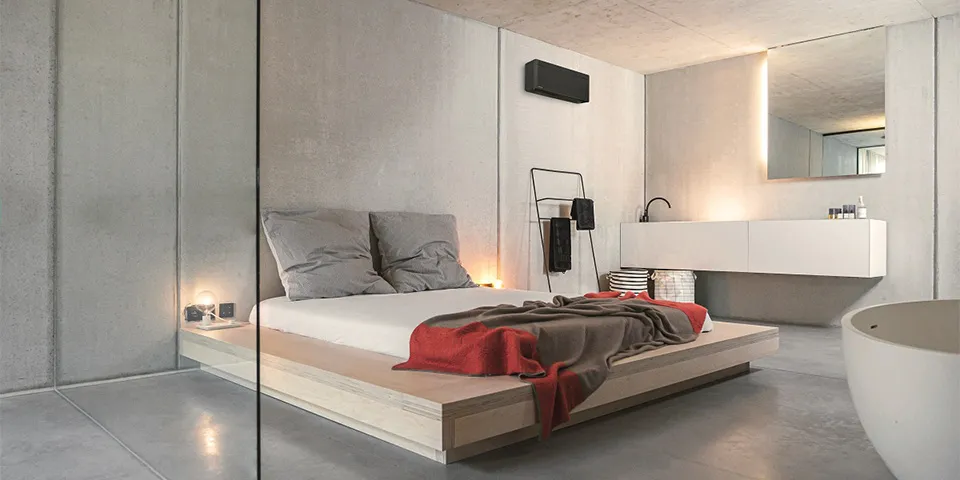
It is now common knowledge, or should be, that a heat pump is always an excellent investment in a new-build home. A well-insulated, airtight building envelope limits heat loss and allows a heat pump to operate at its best.
The InfoWarmtePomp.be consortium, a joint initiative involving many Belgian heat pump manufacturers and distributors, would like to point out that heat pumps can also be installed in almost all renovation projects, provided the building is first properly insulated and made airtight. If this is done, a heat pump is also the smartest choice for both heating and hot water production in a renovation.
Seek expert advice from an installer before starting your renovation
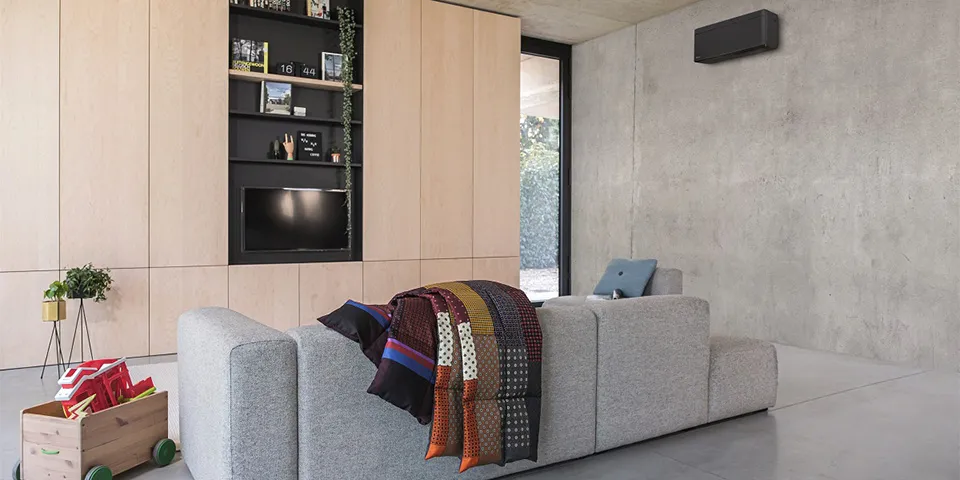
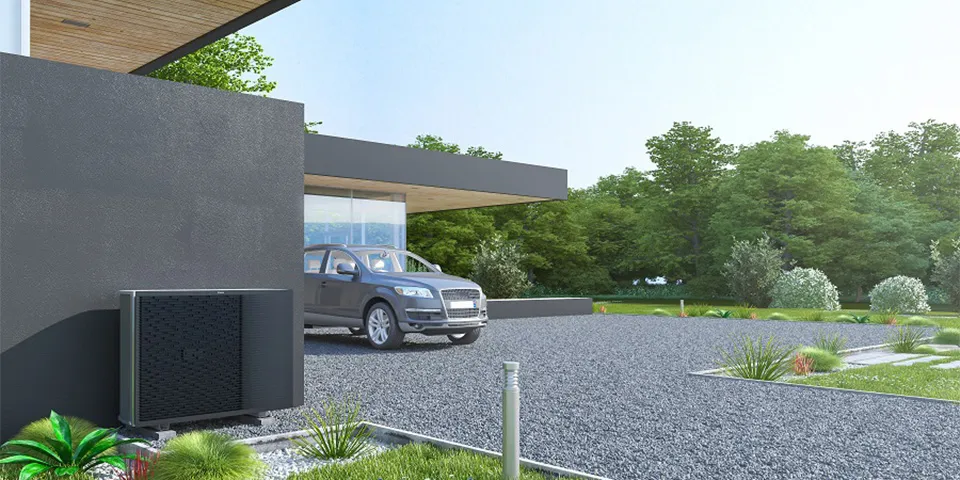
There are a number of practical constraints when renovating a home. Is the home sufficiently insulated? If you want to insulate the floor, could you install underfloor heating at the same time? Can you connect to the existing central heating system? Are the existing radiators too small, or perhaps too large? Would it be better to invest straight away in a low-temperature heat emitter system, the ideal match for a heat pump? And so on. It is also important to check carefully whether there is enough space for the type of heat pump you want to install. An outdoor unit does not take up much space, while a horizontal or vertical ground collector for a geothermal system requires rather more.
So be sure to consult a specialist heat pump installer in advance, to find out what is and is not possible.

Insulate first, then invest in a heat pump
The smartest way to invest in a heat pump is to start by insulating your home thoroughly and making it airtight. This minimises heat loss, allowing a smaller, and therefore cheaper, heat pump to be installed while still providing the desired level of comfort.
There is a heat pump for every renovation or BENOvatie project, for heating and hot water
Broadly speaking, there are 4 types of heat pump, classified according to their energy source and heat distribution system: air-to-air heat pumps (which extract heat from the outdoor air and transfer it to the air in the room being heated), air-to-water heat pumps (which also extract heat from the outdoor air, but transfer it to the hot water circuit), and ground-to-water and water-to-water heat pumps (which transfer heat from the ground or groundwater to the water in the heating circuit).
When renovating or carrying out a BENOvatie project on a detached villa or semi-detached house with a sufficiently large garden (at least 250 m2), all types of heat pump are possible in principle.
If you have a terraced house, there is a good chance that there is no access for geothermal drilling in your garden, or that the garden is too small. In that case, you can only choose between an air-to-water and an air-to-air heat pump, as these do not require groundworks. For an apartment, usually only the latter option is possible, and even then only if you get approval from the General Meeting of co-owners, unless the entire apartment building is renovated at once.
During a renovation, you can also easily and sustainably produce domestic hot water using the same heat pump as for space heating, either with or without a solar water heater.
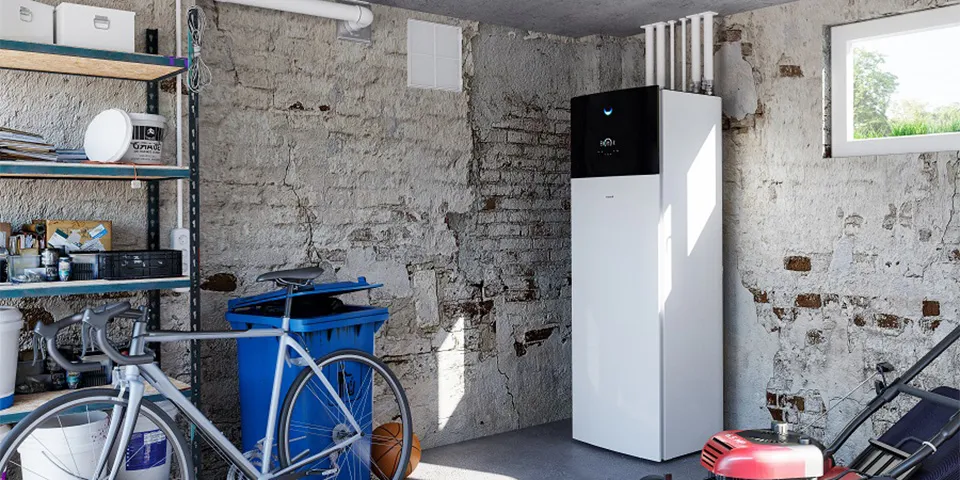
For renovations where the heat pump only needs to produce hot water for the kitchen, shower, bath… a heat pump water heater is the best solution. A heat pump water heater uses three to four times less energy than an electric water heater, saving up to 70% on energy bills each year. In the most cost-effective configuration, a heat pump water heater runs on recovered heat, such as warm air extracted by the ventilation system and heat from the room where the water heater is installed, or uses heat from the outdoor air.
Hybrid systems and gas absorption heat pumps are also worth considering
In some cases, it is better to renovate in stages: first switch to low-temperature heating with underfloor heating and/or larger radiators, and only then install a heat pump. A hybrid system is a particularly interesting solution for phased renovations. It combines heat pump technology with other energy sources or systems (for example, a gas condensing boiler). Depending on the outdoor temperature, the system always selects the most efficient option. For most of the heating season, that will be the heat pump.
Gas absorption heat pumps are a relatively new option for residential buildings. They combine the benefits of a gas condensing boiler and a heat pump. A gas absorption heat pump produces hot water for heating buildings and domestic hot water, but replaces the conventional refrigerant with a water-ammonia solution and the compressor with ‘thermal compression’ powered by a gas condensing boiler.
A gas absorption heat pump requires very little electrical power, delivers good efficiency even at low outdoor temperatures and can also be used with high-temperature heating systems (radiators). It can therefore replace an old gas or fuel oil boiler.
Be sure to visit Hall 12 at Batibouw
One thing is certain: anyone installing a heat pump now can be sure their home meets all current
and future energy requirements and is therefore ready for the future. Heat pumps also help reduce CO2 emissions.
At Batibouw 2020, from Saturday 29 February to Sunday 8 March, you will find the leading heat pump manufacturers and distributors in Hall 12.
Question about this story? Ask your question
Keep following this
Get an email when a new story is published. No account needed.
- ThemeFossil-free heating and cooling
- SubjectEvents