Building management systems hold the key to lower energy bills
If Europe is to fulfil its ambitions for a carbon-neutral society, it will need to address its building stock. Buildings account for around 40% of energy consumption and 36% of CO2 emissions. If we want to reduce energy bills and environmental impact, buildings will need to become smarter. “You can already save a great deal of energy with minimal effort,” says Patrick Gielis, general manager of Beckhoff Automation. The combination of smart Beckhoff technology and integrators’ extensive application expertise has already produced some impressive success stories.
Building management systems are key to more sustainable buildings. “Investments in energy-efficient technology only really pay off when you control it intelligently. What’s the point of LED lighting if you leave the lights on all day in an empty room? It’s only by tackling these losses that we’ll make real progress,” Gielis stresses.
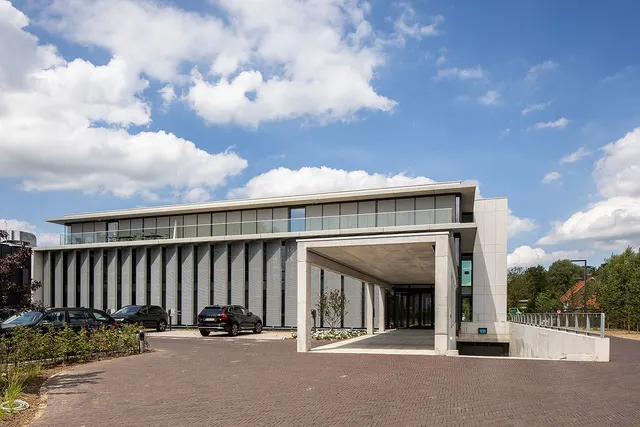
Europe has recognised this too. Smart building management systems will be mandatory in large and medium-sized buildings from 2025. The fact that they are not yet standard is largely because the building owner and the user are not always one and the same. Gielis says: “We’re sometimes almost taken aback by how much we can save on energy bills with minimal investment. In our own office, for example, we use just a third of the energy our neighbour does. Black and white. Anyone who pays their own energy bills is bound to be interested.”
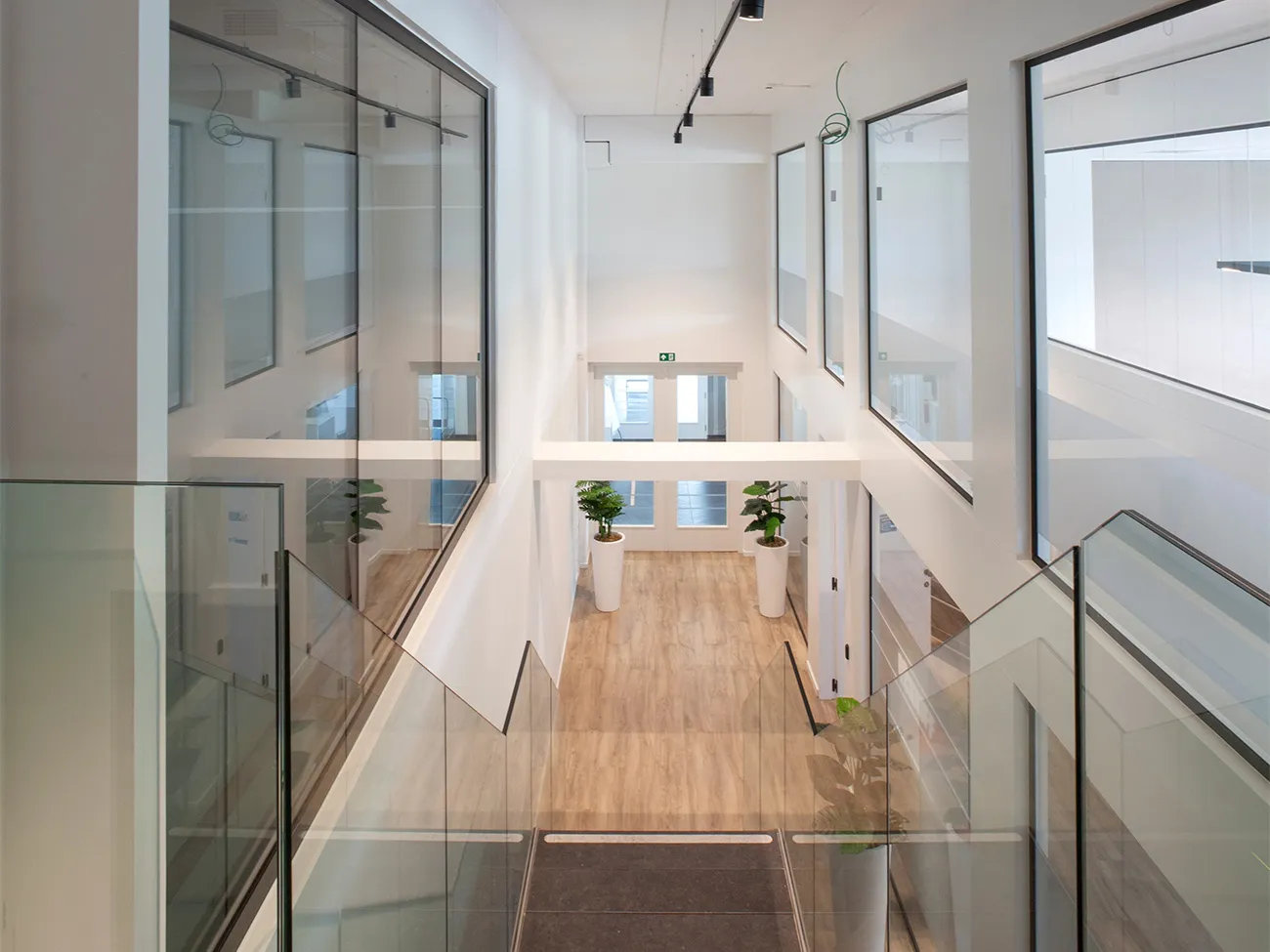
All signals in one system
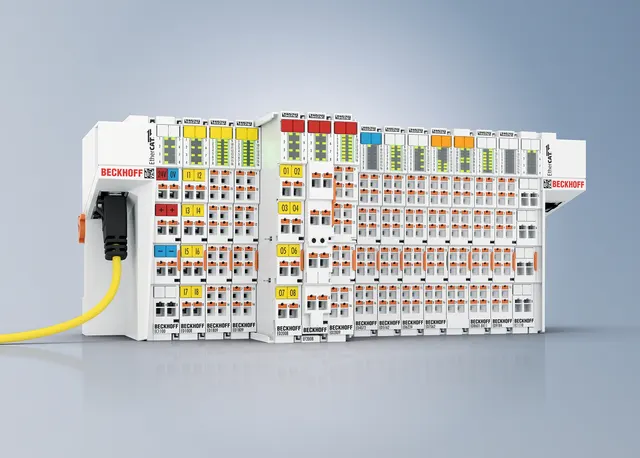
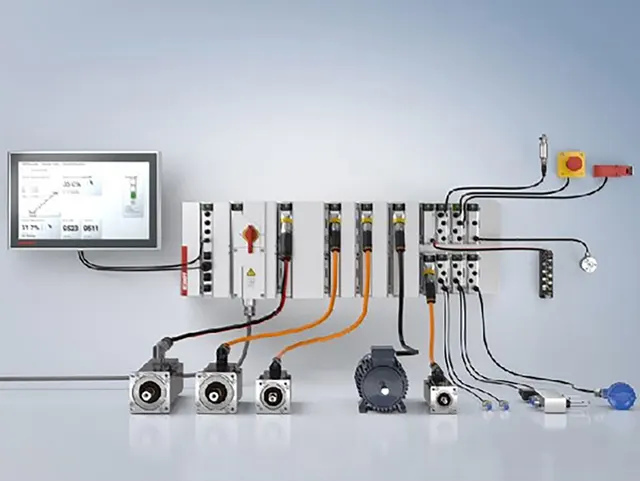
For Beckhoff, smart control starts with bringing all signals together in a single solution. Gielis says: “That’s the strength of our technology. We can read and use all standardised signals in a building, such as DALI, KNX and Modbus, to make everything work together. Lighting that switches on automatically when someone enters a room. Heating that takes into account where the sun will shine through the windows. Everything can be programmed to save energy while increasing user comfort.”
This is also one of the main reasons why building management systems are not more widely adopted. Not every installer will feel at home with this type of technology, which involves programming. It takes a fair amount of know-how. “We’re particularly proud of the integrators who have taken the time to learn about our technology and put it into practice. We’ve brought them together on our website in the Solution Provider Program, for anyone looking for a partner to create smart, sustainable buildings. They bring their application expertise to make our technology a success. And they’re doing so today,” says Gielis.
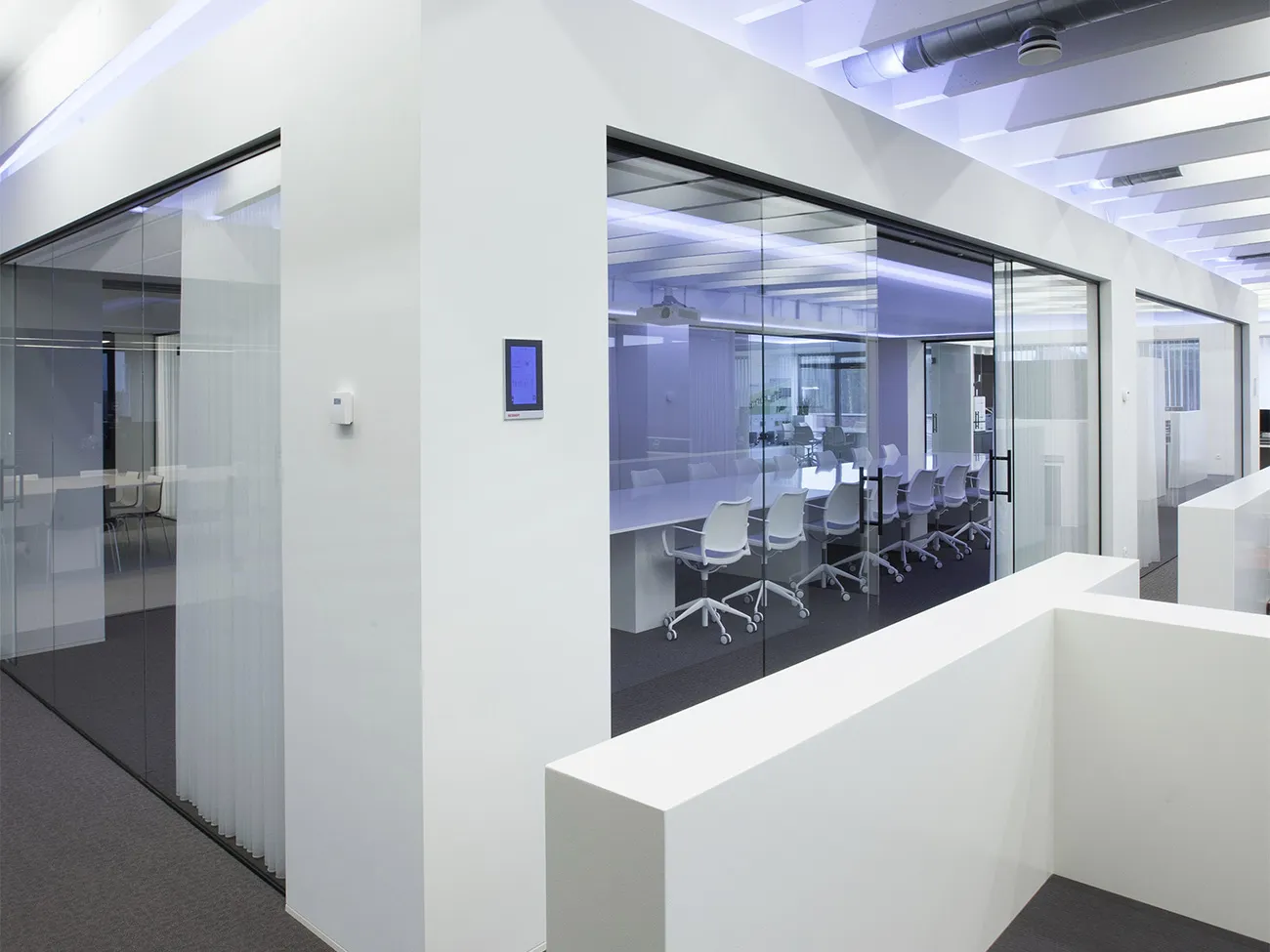
An open solution
The fact that Beckhoff’s building management solution is also an open solution makes it even more attractive to integrators. “They can use the information gathered by our system to feed their own building management software. In effect, a platform is linked to our technology, adding a layer on top so that the system is transparent and can evolve with the needs of the building and its users. That’s the beauty of open building automation systems. You can build on them to integrate new technologies as they emerge, and to keep optimising energy use and comfort. Building management systems are therefore key to future-proof buildings that can remain state-of-the-art throughout their entire life cycle, not just when they are built,” Gielis concludes.
Een zakelijke vraag aan Beckhoff Automation? Get in touch
Companies in this story

Keep following this
Get an email when a new story is published. No account needed.
- ThemeSmart building integration
- SubjectAutomation
- CompanyBeckhoff Automation